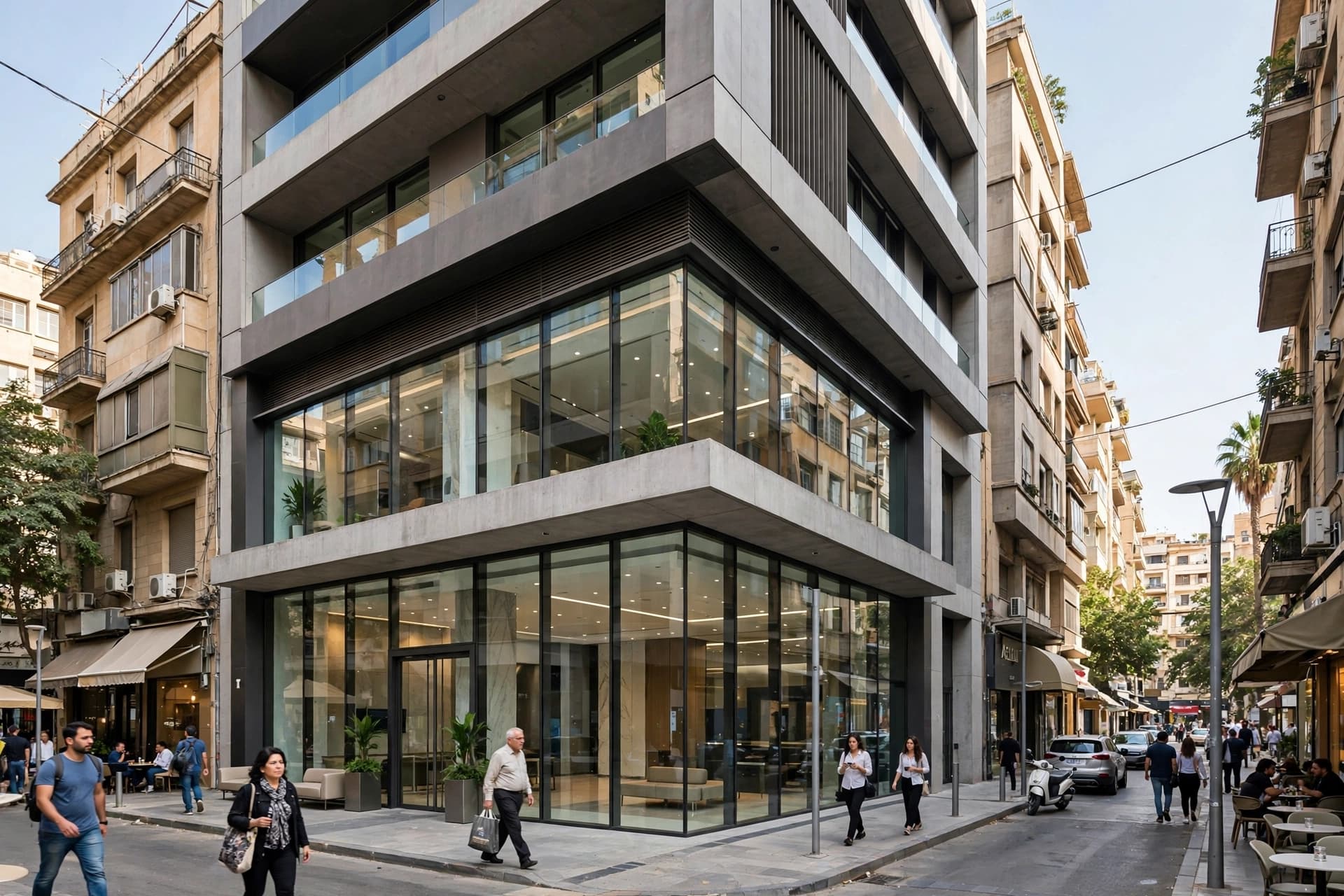
A marketplace no longer needs a roof, a doorway, or a row of stalls. In Indonesia, shopping increasingly begins with a screen, moves through a digital platform, and ends with a package arriving at a home somewhere across the archipelago.
The country has become one of Southeast Asia’s largest digital-commerce markets, supported by widespread smartphone use and rapid adoption of electronic payments. Platforms such as Shopee, Tokopedia, Lazada, and TikTok Shop have helped reshape the way consumers discover and purchase products.
The growth has been particularly important for small businesses. Digital platforms allow merchants to reach customers beyond their immediate neighborhoods, sometimes turning a small home-based operation into a business with national reach.
For consumers, the transformation is equally visible. Product searches can happen at any hour, price comparisons require only a few taps, and payments can be completed without physical cash. Promotions and livestream shopping have added another layer, turning commerce into a form of digital entertainment.
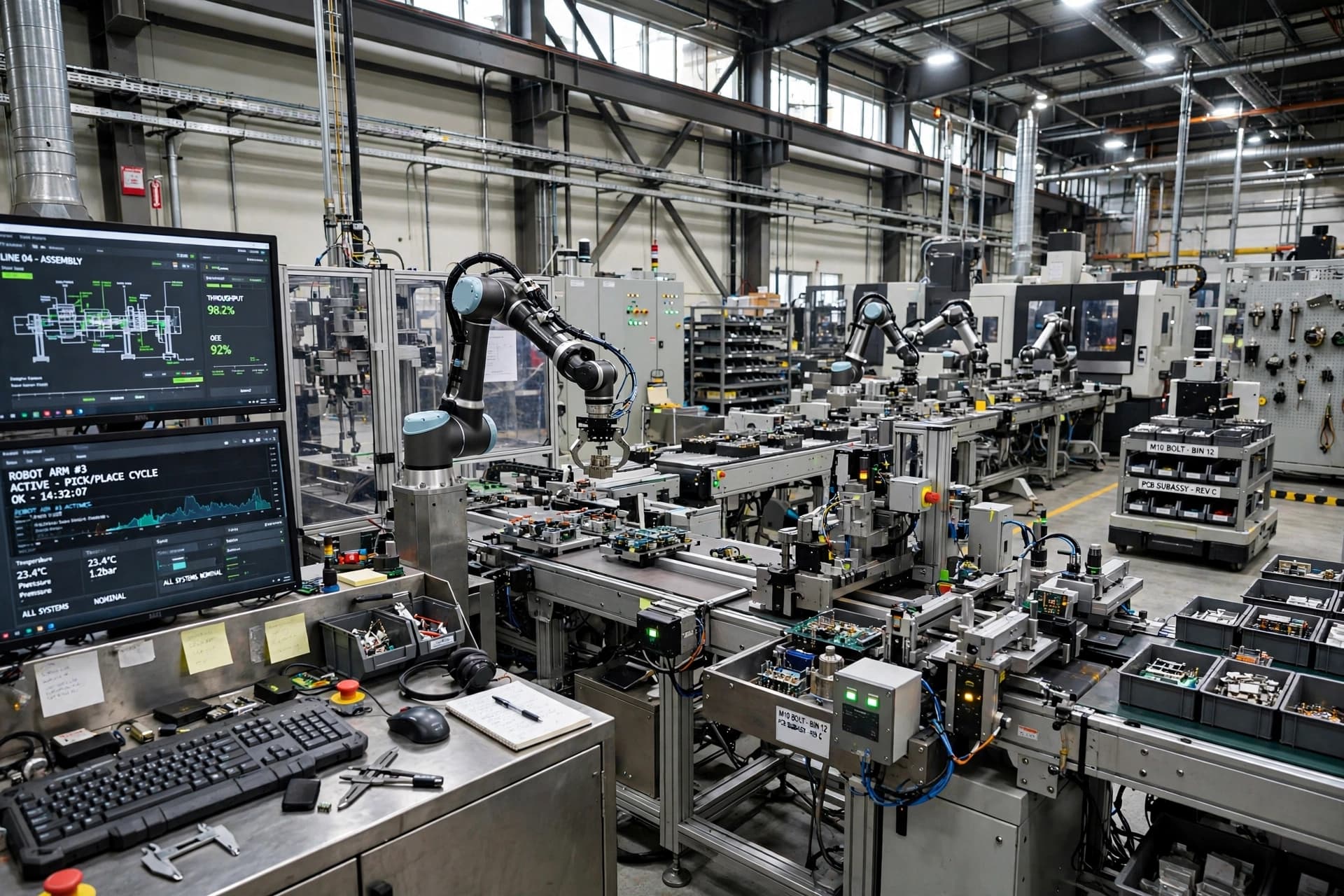
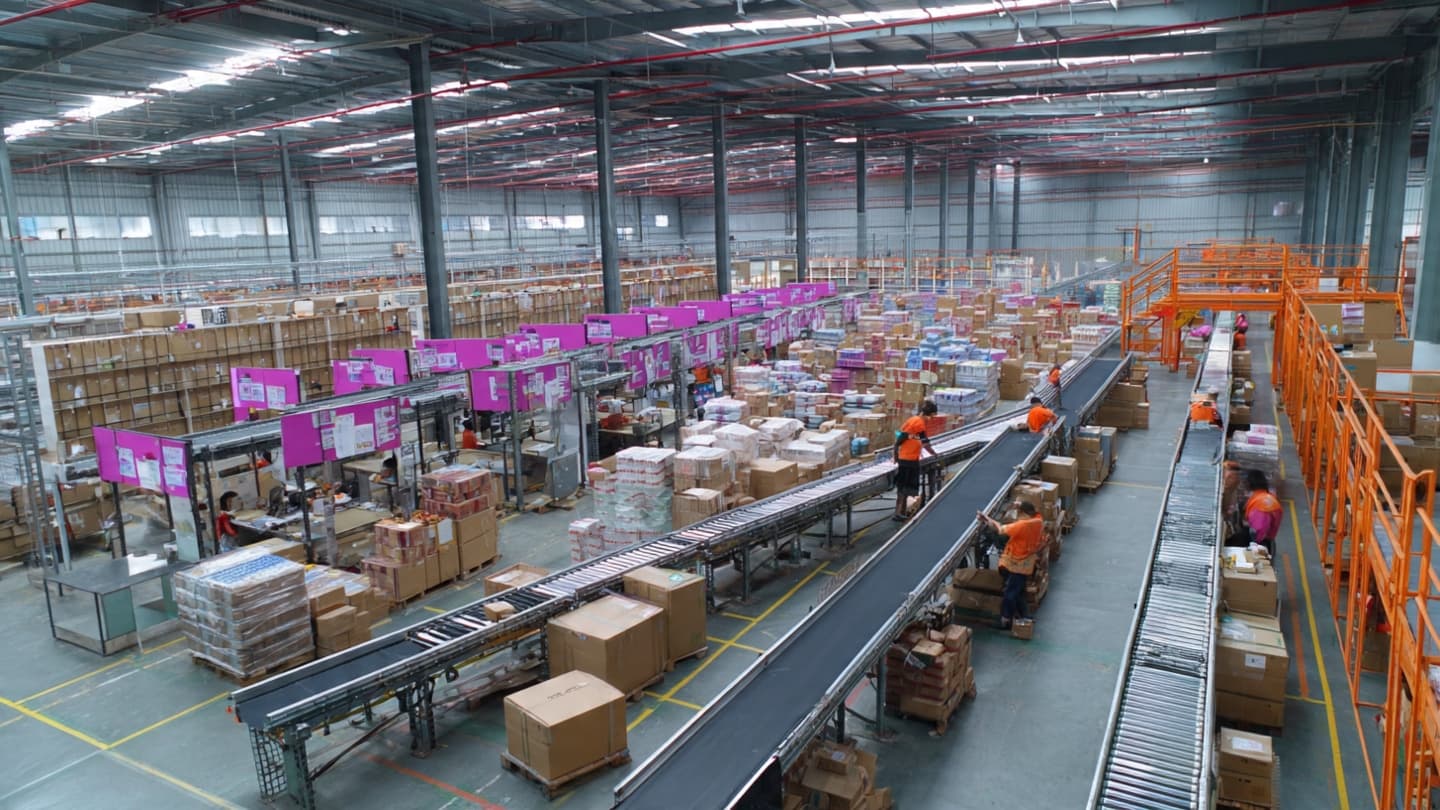
Logistics has become the physical counterpart to this digital expansion. Every online purchase eventually becomes a package that must be collected, sorted, transported, and delivered. Indonesia’s geography makes that process unusually complex, with thousands of islands and varying levels of infrastructure.
Digital payments have also helped accelerate the transition. Bank Indonesia has promoted QR-based payments through the QRIS system, allowing merchants ranging from large businesses to small roadside vendors to accept digital transactions with greater ease.
The expansion is creating opportunities but also changing competition. Merchants can reach more customers, yet they must compete with thousands of other sellers. Platform fees, promotional costs, advertising, and the pressure to respond quickly to changing consumer preferences can all influence profitability.
Artificial intelligence is beginning to add another dimension. E-commerce companies are increasingly using AI for product recommendations, customer service, advertising, fraud detection, and logistics. These systems can process enormous amounts of consumer and transaction data to make digital shopping more personalized.
For Indonesia, the long-term significance lies in how digital commerce connects economic activity across geographic boundaries. A product made in one province can be promoted through a platform, paid for electronically, and delivered to a customer hundreds or thousands of kilometers away.
The marketplace is therefore becoming both more digital and more physical at the same time. Screens may provide the storefront, but warehouses, roads, ports, payment networks, and delivery workers still complete the journey. Indonesia’s e-commerce expansion is gradually weaving those two worlds together.
AI Image Disclaimer The accompanying illustrations were created using AI technology and represent conceptual scenes rather than real photographs of Indonesian e-commerce operations.
Sources Google Temasek Bain & Company Bank Indonesia The Jakarta Post
Published by Banx Network. This article is part of the Banx decentralized media programme, powered by the BXE token on the XRP Ledger.