In the thin alpine air of Davos, where winter light reflects off glass facades and snow-softened streets, diplomacy often moves quietly. It drifts between hotel corridors, conference halls, and private rooms where conversations stretch longer than schedules suggest. This year, amid the familiar hum of global finance and geopolitics, a new formation has taken shape — one that has drawn as much attention for who is present as for who is not.
Donald Trump’s newly announced “Board of Peace” was introduced as a forum meant to stabilize a turbulent world, a compact gathering of leaders and representatives intended to shape security dialogue beyond traditional alliances. Yet almost immediately, the initiative revealed something deeper: the uneven geography of trust, alignment, and distance that now defines global politics.
The participants reflect a selective constellation. Several governments closely aligned with Washington’s current strategic priorities have taken seats, including representatives from parts of Eastern Europe, the Middle East, and Asia-Pacific states that maintain strong defense or economic ties with the United States. Their presence has been framed as pragmatic — a willingness to engage in an alternative channel of influence at a moment when established institutions feel strained or stalled.
Israel’s participation, alongside a small group of regional partners, signals continuity in security cooperation, while select European leaders have attended in observer or limited roles, carefully calibrating their involvement. For them, the board is less an endorsement than a presence — a way to monitor, listen, and avoid being absent from a table where decisions, formal or informal, might ripple outward.
Equally notable are the absences. Several major European powers have chosen to stay away or keep their distance, citing concerns about legitimacy, process, and intent. Nordic countries, already unsettled by recent rhetoric over territory and sovereignty, have expressed skepticism about a peace initiative shaped outside multilateral frameworks. China and Russia, meanwhile, remain outside the circle entirely, underscoring how fragmented the concept of global consensus has become.
In diplomatic terms, the board operates less like an institution and more like a signal. Participation communicates alignment, or at least openness, while absence reads as caution or quiet resistance. The structure itself — informal, leader-driven, and closely associated with Trump’s personal authority — contrasts sharply with postwar models of collective security built on treaties, charters, and rotating consensus.
Supporters argue that the board’s flexibility is its strength. In a world of slow-moving bureaucracies, they see value in direct engagement and unconventional formats. Critics counter that peace built through select invitation risks reinforcing divisions rather than easing them, turning diplomacy into a curated space rather than a shared one.
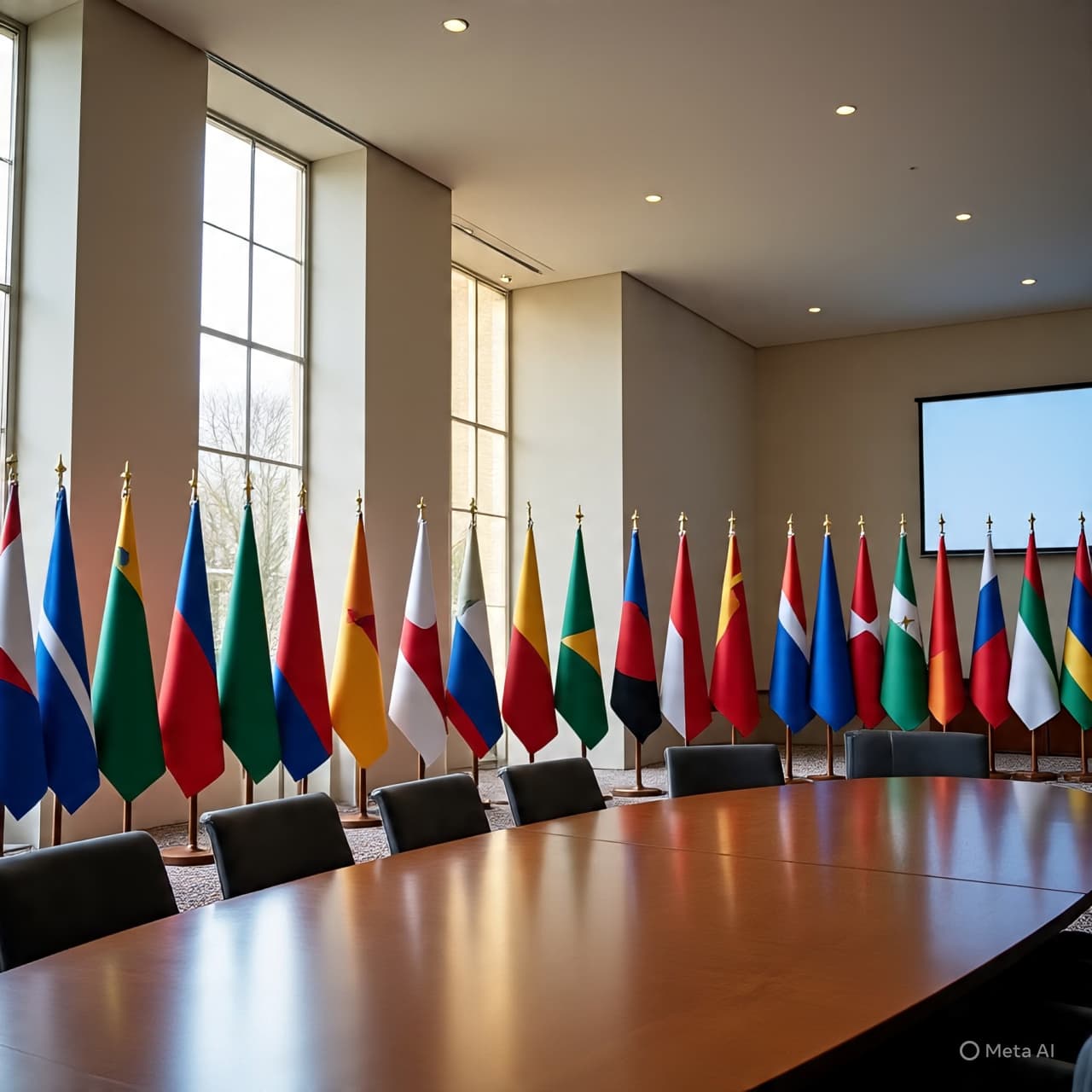
What emerges, then, is not a unified front but a mosaic. The Board of Peace has become a mirror, reflecting a world where alliances are increasingly situational and where the meaning of cooperation shifts depending on who convenes the room. In Davos, amid the snow and quiet urgency of global conversation, the empty chairs speak as clearly as the occupied ones.
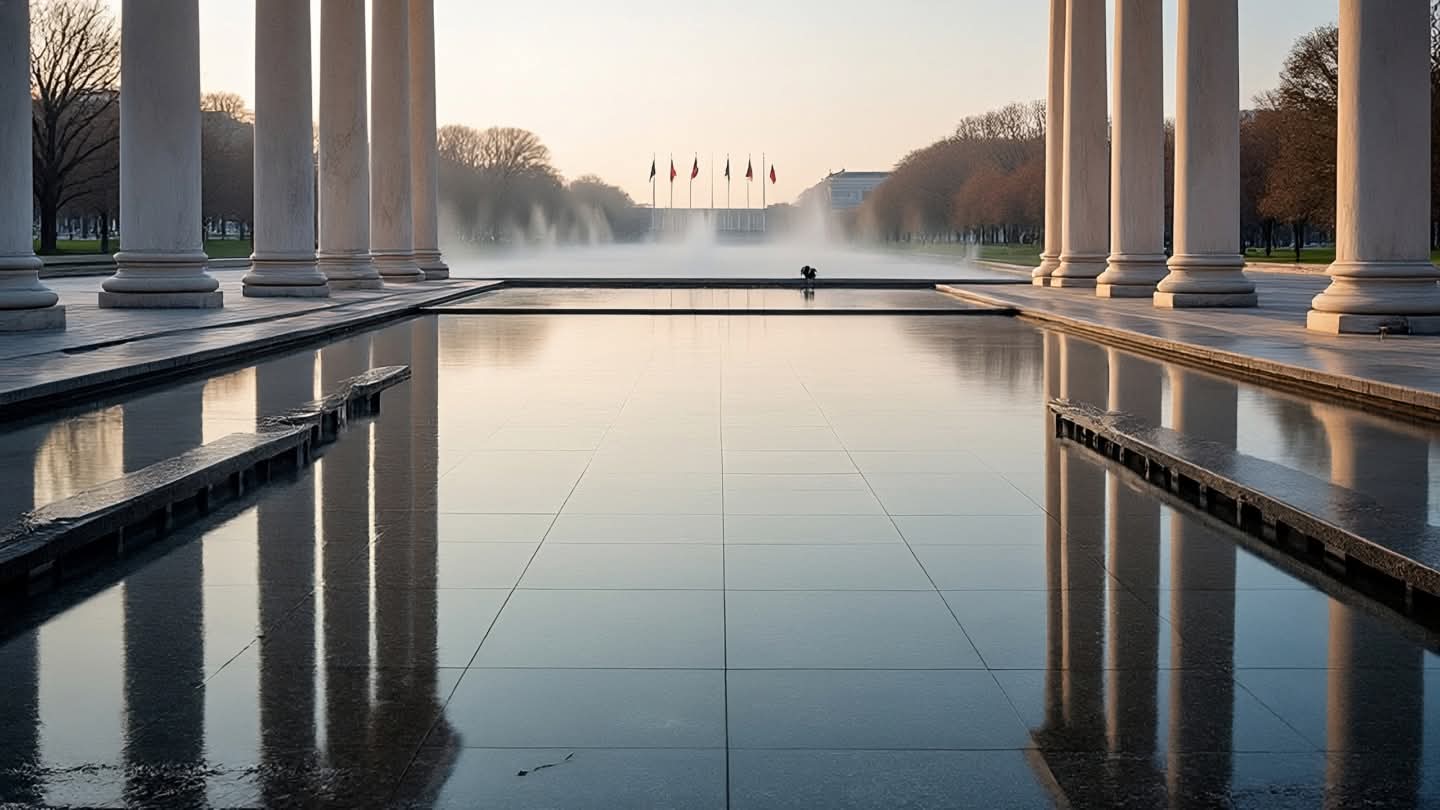
AI image disclaimer Illustrations were created using AI tools and are intended as conceptual visuals rather than real photographs.
Sources (names only) White House World Economic Forum Reuters Financial Times Associated Press
Published by Banx Network. This article is part of the Banx decentralized media programme, powered by the BXE token on the XRP Ledger.