
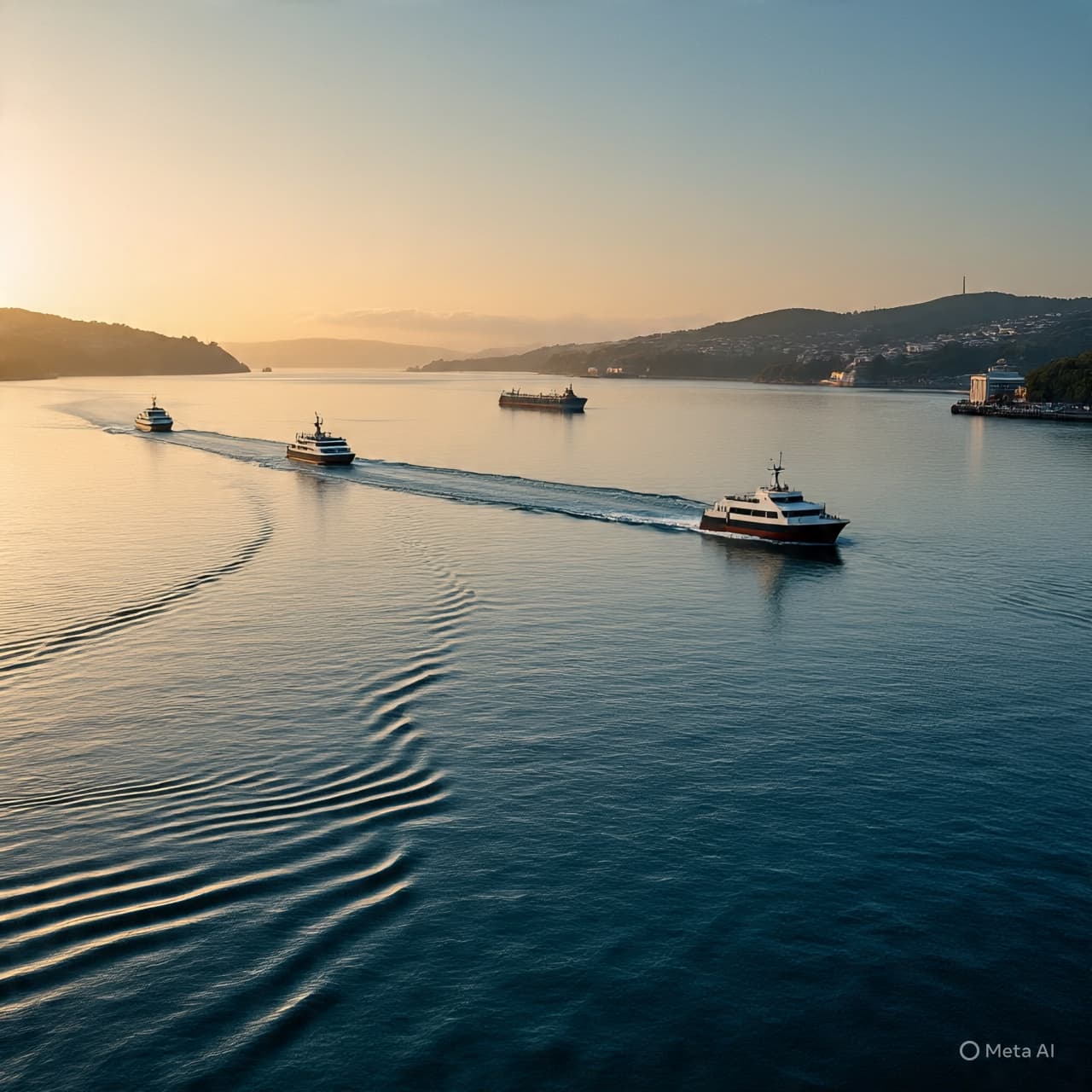
Across Wellington’s harbor, the water moves with its familiar patience, ferries cutting clean lines through the morning light. New Zealand’s politics often mirrors that rhythm — deliberate, cautious, resistant to urgency imposed from afar. This week, that instinct surfaced quietly but clearly.
The government confirmed it would not join the proposed Board of Peace, declining an invitation that carried both symbolic weight and geopolitical expectation. The decision arrived without drama, framed as a matter of principle rather than rejection, and delivered in language carefully stripped of confrontation.
Officials emphasized that New Zealand remains committed to multilateralism, diplomacy, and international law. But the Board, envisioned by its proponents as a forum for strategic coordination on global security, was seen in Wellington as misaligned with the country’s long-held approach to neutrality and independent judgment. Participation, some officials suggested, risked narrowing rather than strengthening diplomatic space.
The choice reflects a deeper continuity in New Zealand’s foreign policy. From nuclear-free legislation to selective engagement in military alliances, the country has often chosen distance over alignment when lines harden too quickly. Influence, in this view, is not measured by proximity to power but by credibility preserved over time.
Supporters of the Board argue that global instability demands tighter coordination among like-minded states. Declining the invitation, they warn, may limit access to emerging security frameworks and strategic conversations. Yet critics within New Zealand counter that such frameworks often arrive with assumptions — about adversaries, commitments, and future obligations — that resist revision once accepted.
In the Pacific, where New Zealand’s attention is most consistently focused, balance matters. Regional relationships depend on trust, development, and presence more than posture. A seat at a distant table, officials implied, should not come at the expense of flexibility closer to home.
As the announcement settled into the news cycle, it did so gently, without sharp reaction or visible fallout. No bridges were burned. No doors were shut outright. The invitation was declined, not dismissed — left open to reconsideration in a world where arrangements rarely remain static.
By evening, the harbor reflected the sky again, unchanged. The decision added no new tension to the water, only another small marker of how New Zealand continues to navigate a crowded world: cautiously, independently, and at its own pace.
AI Image Disclaimer
Visuals are AI-generated and serve as conceptual representations.
Sources
Reuters Radio New Zealand The Guardian Associated Press
Published by Banx Network. This article is part of the Banx decentralized media programme, powered by the BXE token on the XRP Ledger.
.jpg&w=3840&q=75 "US Declares Drought Disaster for Parts of Puerto Rico as Dry Conditions Persist")

