The waters surrounding Bahrain often shimmer beneath the Gulf sun with a sense of quiet permanence. Cargo ships follow familiar routes, aircraft leave faint white lines across open skies, and unseen streams of digital information travel through servers that rarely attract attention. Yet in an age where information moves as constantly as commerce, even the invisible architecture of the internet can find itself standing unexpectedly close to conflict.
That reality came into sharper focus after Iran's Islamic Revolutionary Guard Corps (IRGC) announced that it had targeted infrastructure belonging to Amazon in Bahrain during a new wave of retaliatory strikes linked to the ongoing confrontation between Iran and the United States. Iranian state media reported that cruise missiles struck what the IRGC described as central Amazon data infrastructure alongside U.S.-related military facilities in Bahrain.
The claim, however, remained unverified. At the time of reporting, Bahraini authorities, Amazon, and U.S. officials had not confirmed that Amazon facilities had been struck, and Reuters reported that it was unable to independently verify the Iranian statement. The absence of official confirmation left questions about the extent of any damage and the operational impact on digital infrastructure in the kingdom.
According to the IRGC, the reported strike formed part of a broader campaign responding to recent U.S. military operations inside Iran. Tehran has repeatedly warned that facilities it believes support American military activities throughout the region could become targets if hostilities continue. The latest announcement reflects that expanding definition of strategic infrastructure, extending beyond traditional military installations to include technology assets.
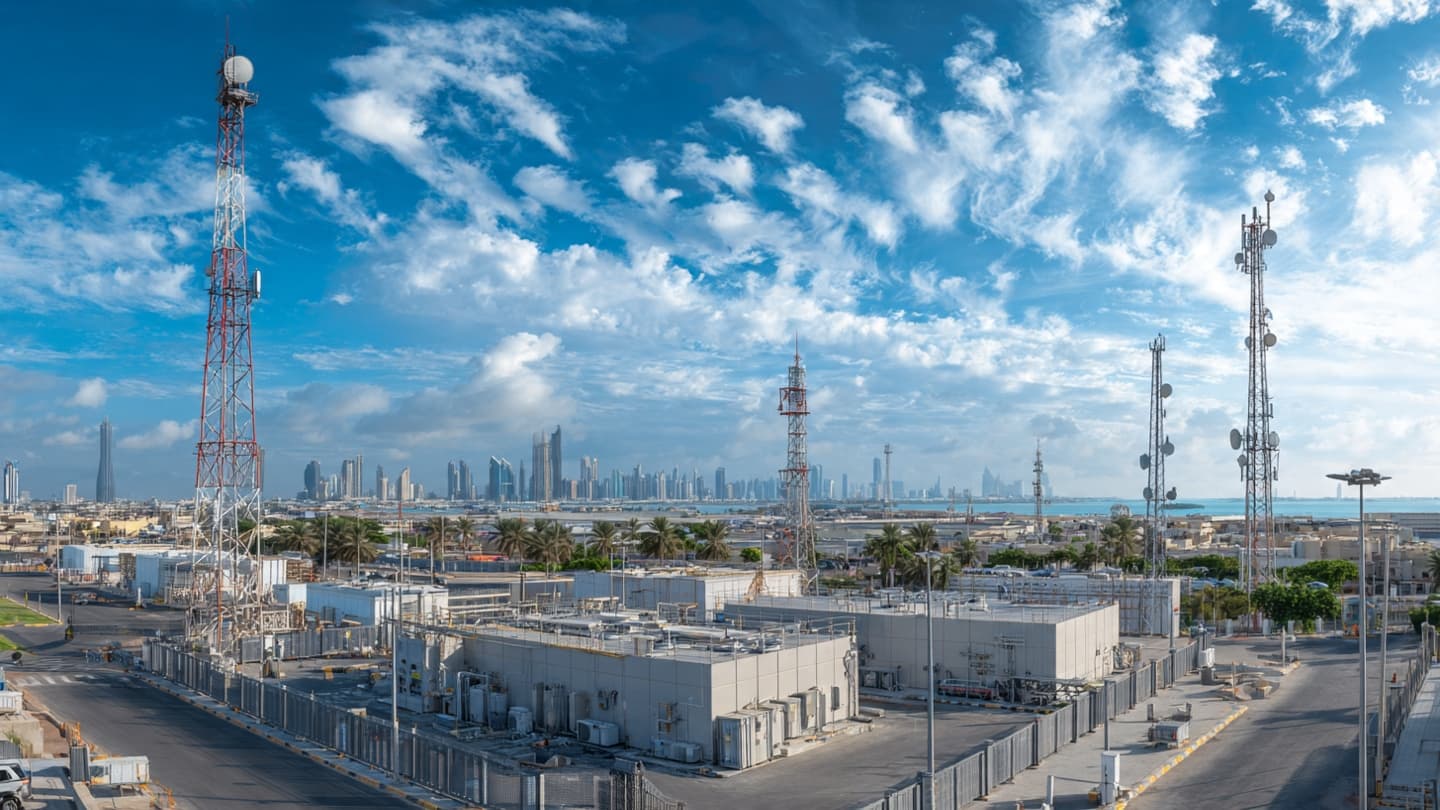
Modern data centers occupy a unique place in contemporary society. They quietly support banking systems, cloud computing, healthcare services, government operations, logistics, and millions of daily online interactions. Their physical buildings may appear ordinary from the outside, yet they house digital systems that connect businesses and institutions across continents. As conflict increasingly intersects with technology, concerns have grown over the vulnerability of civilian digital infrastructure during periods of geopolitical tension.
The broader regional crisis has already affected commercial shipping, energy markets, and military deployments across the Gulf. Missile and drone exchanges between Iran and the United States, along with actions involving regional partners, have heightened uncertainty for governments and businesses alike. Maritime security, energy exports, and technological resilience have become interconnected elements of the same unfolding story.
International observers continue urging restraint as diplomatic channels remain active despite continuing military operations. Analysts note that any confirmed attack on major commercial digital infrastructure would represent another step in the widening scope of modern conflict, where cyberspace, communications, logistics, and physical infrastructure increasingly overlap with conventional military objectives.
History often remembers wars through battlefields and front lines, yet today's conflicts also unfold within fiber-optic cables, satellite links, cloud servers, and communication networks that quietly sustain everyday life. Their importance becomes most visible not during ordinary moments, but when uncertainty interrupts the steady flow people have come to expect.
As evening settles over Bahrain, the Gulf continues its familiar rhythm while officials assess developments and await further information. Whether the reported strike caused significant damage remains to be independently confirmed. For now, the announcement itself reflects how rapidly the geography of conflict has expanded, reaching beyond borders and military bases into the digital systems that increasingly connect the modern world.
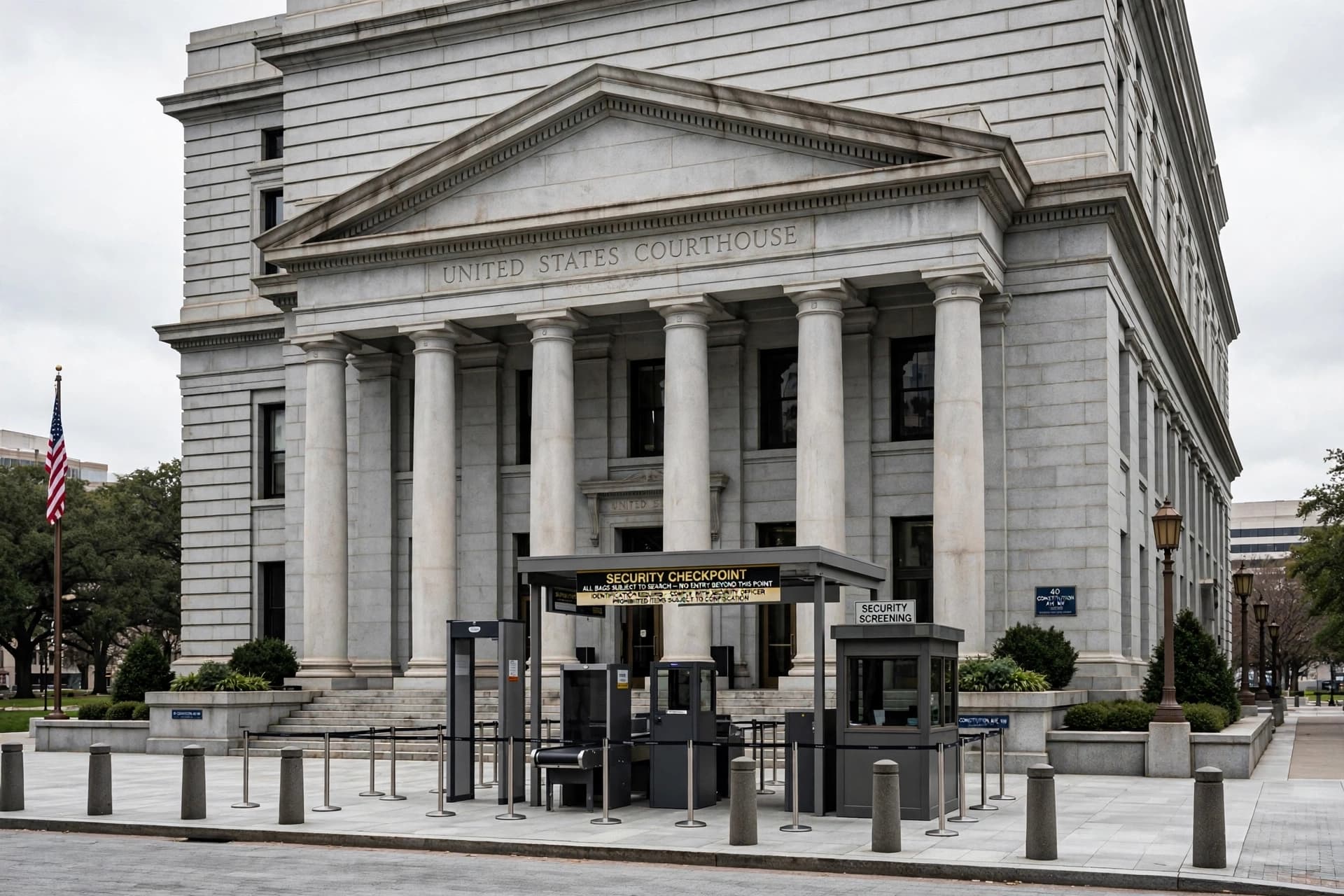
AI Image Disclaimer: Visuals are AI-generated and are intended as conceptual representations rather than authentic photographs.
Sources: Reuters, Euronews, Associated Press, U.S. Department of Defense, Amazon.
Published by Banx Network. This article is part of the Banx decentralized media programme, powered by the BXE token on the XRP Ledger.