

Key Highlights
- Incident Date:A U.S. missile strike hit an Iranian school on February 28.
- Casualties:Over 150 people, including many children, were reportedly killed.
- Investigation:Preliminary findings indicate outdated intelligence led to the targeting error.
The tragic missile strike on an elementary school in Minab, Iran, has sparked outrage and concern regarding the reliability of military intelligence. Occurring on February 28, this incident has been described as one of the deadliest civilian casualty events in the ongoing conflict involving U.S. military operations against Iranian targets. Initial investigations by U.S. military officials suggest that the strike was a result of outdated intelligence data that misidentified the school as a military installation.
According to sources familiar with the inquiry, the coordinates used for the missile strike were based on older intelligence that failed to reflect the school's transformation from a military site to a civilian educational facility. The building, which had been in use as a school for several years, was clearly marked with playgrounds and murals, distinguishing it from military structures nearby. The proximity to a compound used by the Islamic Revolutionary Guard Corps (IRGC) may have contributed to the tragic misidentification.
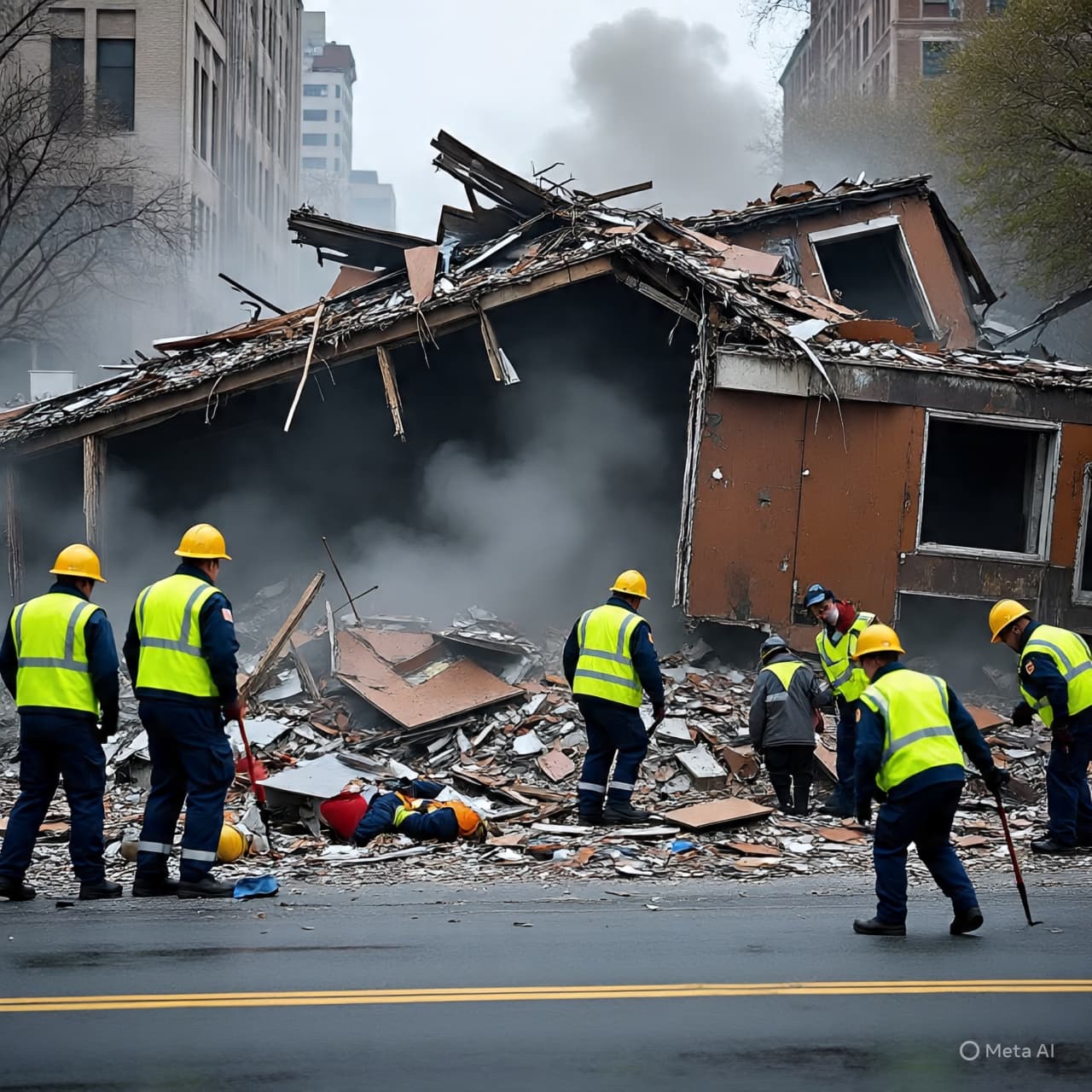
The aftermath of the strike has been devastating, with Iranian officials reporting over 150 fatalities, many of whom were children. While these figures have not been independently verified, the impact on the local community has been profound. Images from the site depict the destruction of classrooms and the emotional toll on families, as funeral ceremonies were held for the victims shortly after the attack.
In Washington, the preliminary findings have prompted bipartisan calls for accountability and transparency regarding the military's targeting processes. Lawmakers are demanding briefings to understand how outdated intelligence was utilized in operational planning and whether existing safeguards to prevent civilian casualties were effective. Military officials have stated that the investigation is ongoing, and they are reviewing the intelligence records and decision-making processes involved in the strike.
International humanitarian law protects civilian structures such as schools from military attacks unless they are being used for military purposes. This incident raises critical questions about the complexities of modern warfare, where civilian and military sites often coexist in close proximity. The reliance on digital databases and satellite imagery for target identification can enhance precision, but it also underscores the importance of maintaining accurate and current intelligence.
As the investigation unfolds, military authorities are expected to assess how such errors can be prevented in the future. The preliminary findings represent just the beginning of a longer process aimed at accountability and potential procedural changes within military operations. The final conclusions of the investigation have yet to be released, and further information may emerge as inquiries continue.
For the affected communities, the consequences of this strike are not just statistical; they are deeply personal, affecting families and the fabric of daily life in Minab. The tragedy serves as a stark reminder of the human cost of military operations and the critical need for accurate intelligence in safeguarding civilian lives.
Published by Banx Network. This article is part of the Banx decentralized media programme, powered by the BXE token on the XRP Ledger.




