There is something different about this wave of technology. It is not only present on computer screens or in everyday applications, but is slowly entering the center of global capital movement. Artificial intelligence has transformed into a giant industry absorbing investments in amounts that were hard to imagine just a few years ago.
The Bank for International Settlements, or BIS, warns that the rapid development of AI is beginning to create new risks for global financial stability. BIS head Pablo Hernández de Cos stated that AI infrastructure spending is now at a scale large enough to influence the global economic conditions.
BIS estimates that the five largest technology companies in the world will invest more than US$1 trillion in AI throughout 2025 and 2026. More broadly, global AI investment, currently around US$500 billion, is expected to reach US$4 trillion by 2030.
These figures illustrate how the focus of the economy is slowly shifting. Data centers, chips, power grids, software, and computing systems are becoming part of the new infrastructure needed to run AI. Behind all of this are companies, investors, banks, and capital markets placing their hopes on the growth of this technology.
However, rapid growth always raises questions about its balance. BIS highlights debt-based financing, company valuations, and market concentration as some of the issues that need attention. If the expected profits do not align with the scale of investment, pressure can spill over into the financial sector.
AI itself still holds significant economic potential. This technology can enhance productivity, including in jobs such as programming and consulting. Several countries are also beginning to reap benefits through chip production and the development of digital infrastructure. Therefore, the issue is not merely whether AI will develop, but how that growth is managed.
Changes are also beginning to be seen in the job market. BIS notes signs of a shift in labor demand, particularly in administrative and programming jobs. This situation makes upskilling an important part of the AI journey, as new technology not only changes machines but also alters the skills required of humans.
Amid the continuously lit data centers and flowing capital, the world is entering a new phase. AI may become one of the largest growth engines in the coming decades. But like any major change, it requires space to grow as well as oversight to ensure its speed does not create new imbalances.
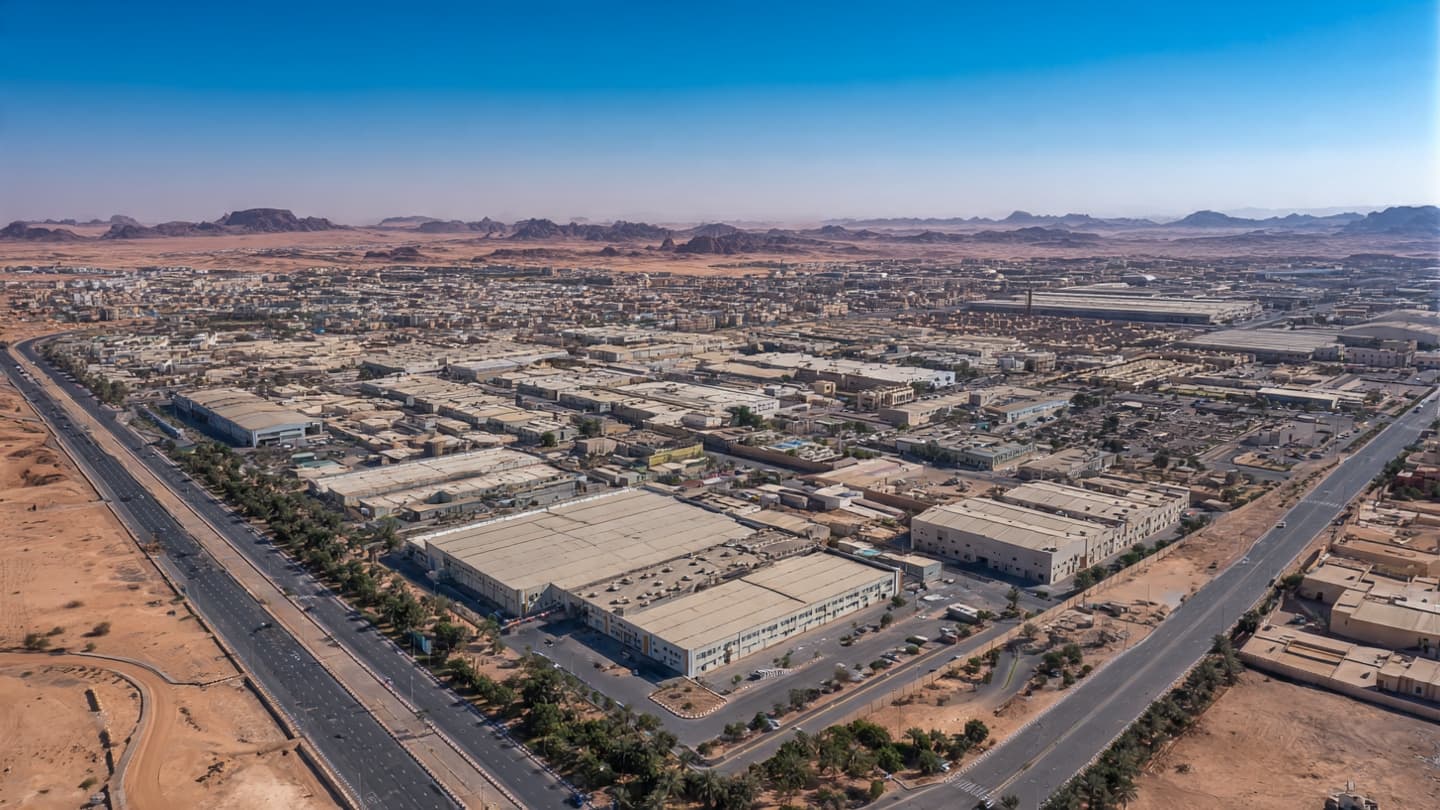
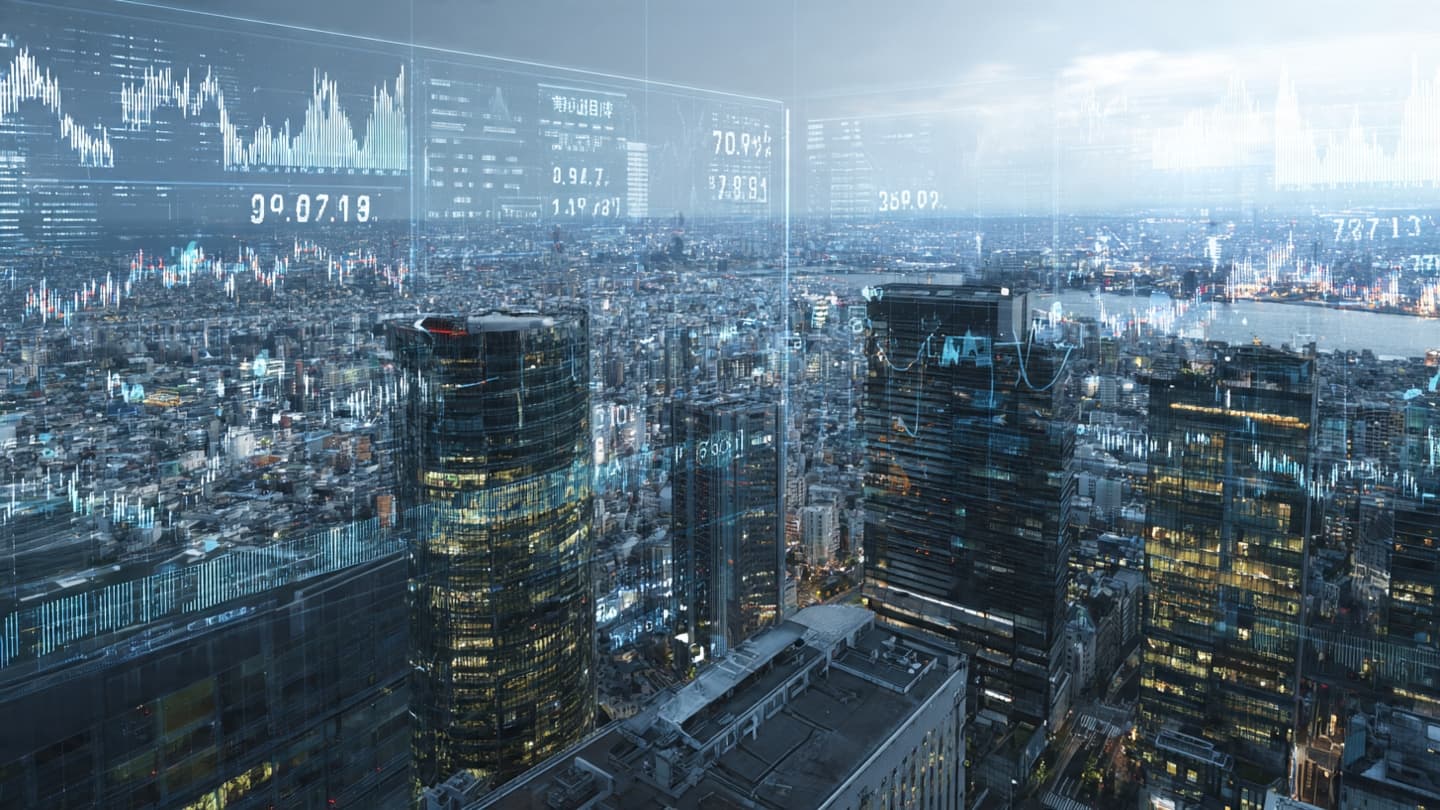
IMAGE DISCLAIMER: The visuals are conceptual illustrations based on AI depicting the development of artificial intelligence and global technology investment, not actual event photographs.
SOURCES: Reuters Bank for International Settlements (BIS)
Published by Banx Network. This article is part of the Banx decentralized media programme, powered by the BXE token on the XRP Ledger.