

Key Highlights
- Birthright citizenship is rooted in the 14th Amendment, granting citizenship to those born on U.S. soil.
- The Supreme Court is set to review a legal challenge that questions the interpretation of this principle.
- The outcome could reshape national discussions on immigration and citizenship.
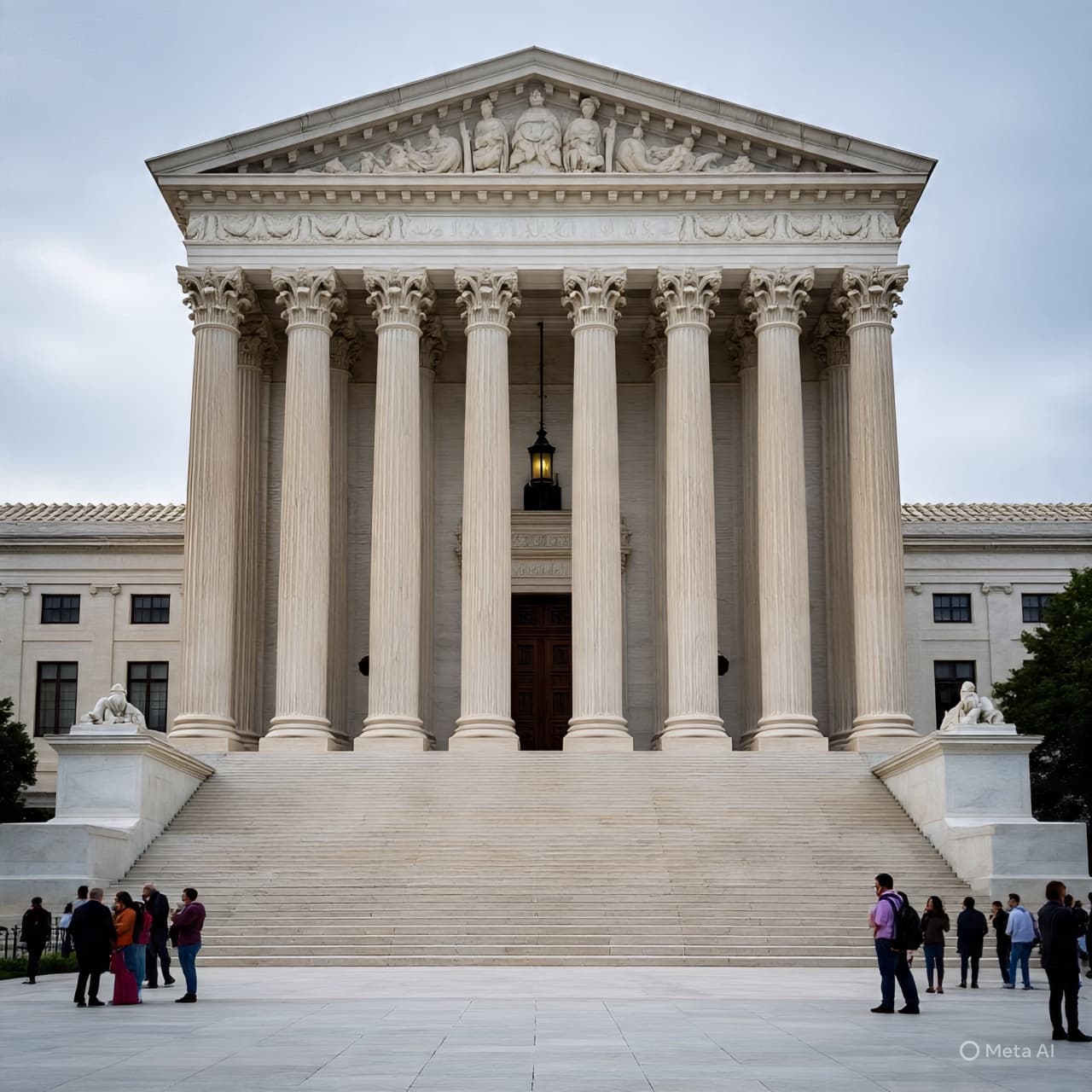
The principle of birthright citizenship, enshrined in the 14th Amendment of the United States Constitution, has long been a cornerstone of American identity. This principle asserts that anyone born on U.S. soil is automatically granted citizenship, a notion that has been upheld for generations. However, as the political landscape shifts, this foundational idea is once again under scrutiny. The Supreme Court is preparing to hear a legal challenge that could redefine the interpretation of citizenship as it relates to birthright.
This case emerges in the context of Donald Trump's political ambitions, particularly as he gears up for a potential second term. The legal challenge is not merely about a single policy change; it raises profound questions about the authority of the executive branch to alter longstanding interpretations of constitutional principles. Proponents of the challenge argue that the current understanding of birthright citizenship extends beyond the original intent of the framers, while opponents warn that such a shift could undermine a deeply embedded constitutional guarantee.
As the Supreme Court prepares to deliberate, its role becomes increasingly critical. The justices are tasked with not only interpreting the law but also considering the broader implications of their ruling on national identity and citizenship. This case is emblematic of a larger debate about immigration and the boundaries of citizenship in America, themes that have been central to Trump's political narrative.
Public discourse surrounding this issue has intensified, with varying perspectives emerging. Some view the challenge as a necessary legal clarification, while others express concern about the potential societal ramifications of revisiting birthright citizenship. This conversation reflects the complexities of law and its interpretation, which often evolve alongside societal values and concerns.
Moreover, the debate invites a deeper reflection on how the meaning of citizenship has changed over time. While the text of the law remains constant, its interpretation can shift dramatically based on the prevailing attitudes and beliefs of society. The Supreme Court's forthcoming decision will not only address the legal questions at hand but also serve as a barometer for how the nation perceives itself in the contemporary context.
As the case moves forward, the outcome remains uncertain. The Supreme Court's ruling will likely have far-reaching implications, influencing future discussions about immigration policy, national identity, and the extent of executive power. For now, the legal community and the public await the Court's deliberation, where legal arguments and national reflection will intersect.
In conclusion, the Supreme Court's decision on this matter will mark a significant moment in the ongoing interpretation of the Constitution, approached through careful judicial process and deliberation. The implications of this case will resonate well beyond the immediate legal context, shaping the future of citizenship in America.
Published by Banx Network. This article is part of the Banx decentralized media programme, powered by the BXE token on the XRP Ledger.




