
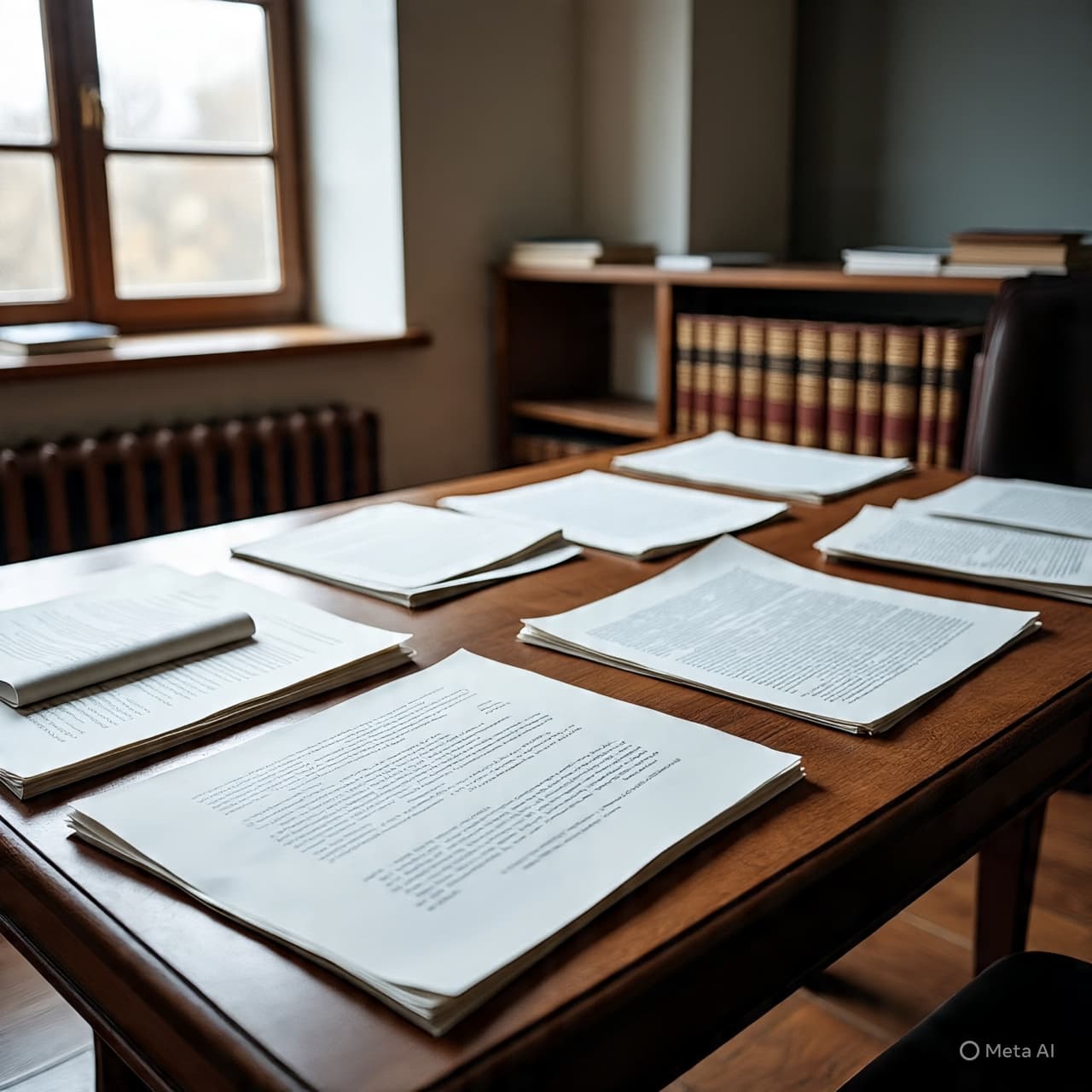
Key Highlights
- A 97-year-old Dublin man has made at least six wills regarding his estate.
- The estate is valued at over €800,000, raising legal questions.
- Ongoing legal proceedings aim to determine which will reflects his final wishes.
In the intricate world of estate planning, the act of drafting a will is often seen as a final gesture, a way to encapsulate a life’s worth of memories and relationships into a single document. Yet, for some, like a 97-year-old man in Dublin, this process can become a complex narrative of its own. Reports indicate that he has created at least six different wills, each reflecting a unique arrangement of his estate, which is valued at more than €800,000. This situation has drawn attention not only for its legal implications but also for the deeper human stories that lie beneath the surface.
The existence of multiple wills raises significant questions about the man’s intentions. Each document serves as a snapshot of his evolving relationships and circumstances, illustrating how life can shift dramatically over time. While some individuals may draft a will and leave it unchanged, others find themselves revisiting this important task as their lives progress. In this case, the man’s repeated revisions suggest a thoughtful engagement with his legacy, as he navigated the complexities of family dynamics and personal relationships.
As the legal proceedings unfold, the challenge lies in determining which version of the will most accurately reflects the man’s final wishes. The presence of several differing documents introduces a level of ambiguity that can complicate the distribution of assets. Legal experts often emphasize the importance of clarity in estate matters, especially when significant sums are involved. The courts may need to carefully analyze the circumstances surrounding each will to ascertain the true intent behind the revisions.
The implications of this case extend beyond mere legalities. For family members and beneficiaries, the existence of multiple wills can evoke a range of emotions, from confusion to disappointment. Questions about what was intended, what has changed, and the reasons behind these changes can lead to difficult conversations and strained relationships. The act of writing a will is not just a legal formality; it is deeply intertwined with personal histories and family narratives.
In the end, the resolution of this case will hinge on legal interpretations that seek to bring clarity to a situation marked by uncertainty. The courts will play a crucial role in determining which will is recognized as the valid expression of the man’s final wishes. As the legal framework navigates the complexities of overlapping documents, the broader impact on family dynamics and expectations will also be felt, highlighting the profound significance of how we choose to remember and honor those we love.
Ultimately, this case serves as a poignant reminder of the human experience behind estate planning. It underscores the reality that even in later stages of life, individuals continue to grapple with their legacies, making choices that reflect their evolving identities and relationships.
Published by Banx Network. This article is part of the Banx decentralized media programme, powered by the BXE token on the XRP Ledger.



