
Key Highlights
- China plays a cautious role in Middle East diplomacy, particularly regarding Iran.
- Recent truce reflects Beijing's measured engagement strategy.
- China's interests in energy security drive its diplomatic efforts.
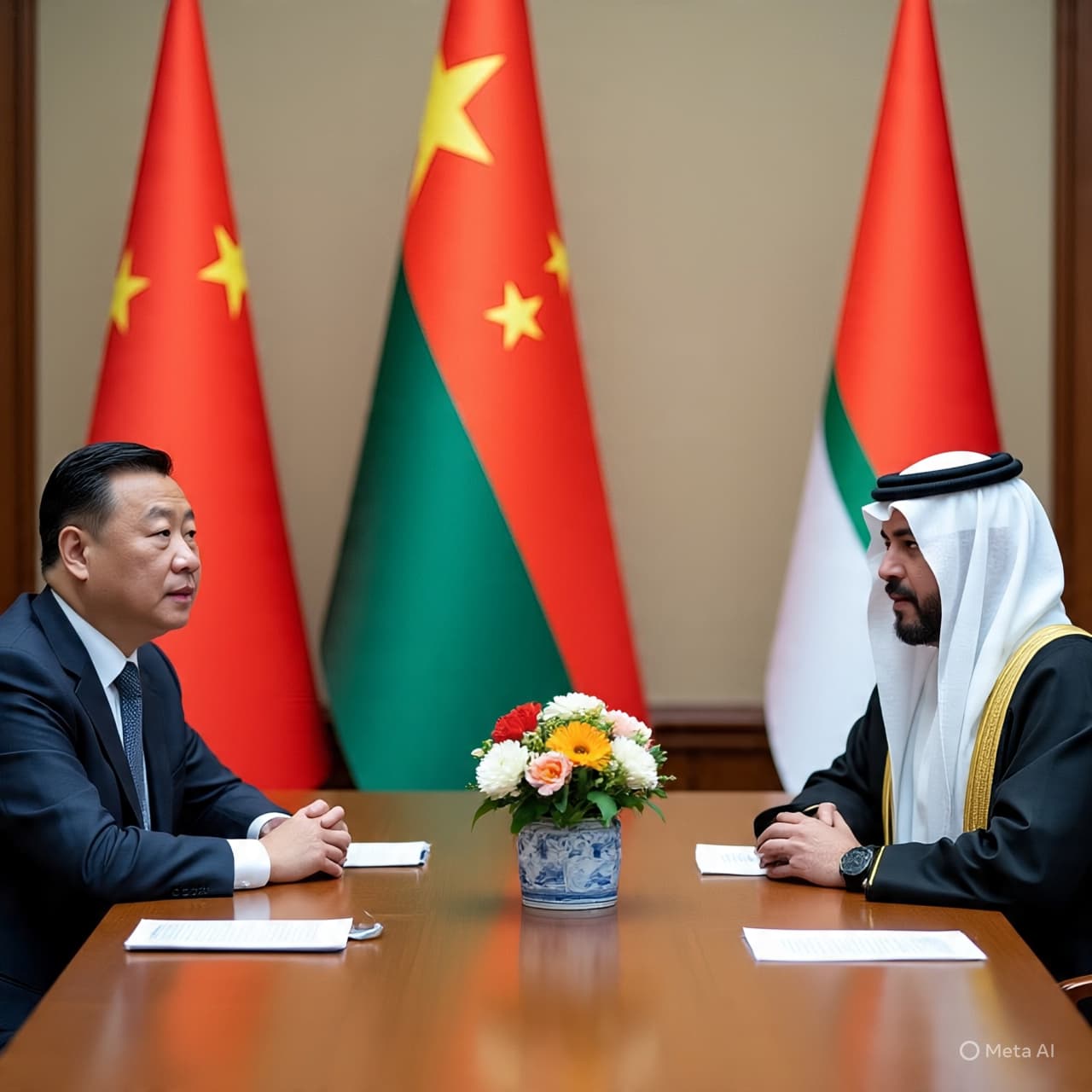
China's recent involvement in Middle Eastern diplomacy, particularly its role in brokering a truce involving Iran, highlights a nuanced approach to international relations. This engagement is characterized by a careful balance between influence and restraint, as Beijing navigates the complex dynamics of the region. While China has emerged as a facilitator in easing tensions, its cautious stance suggests a reluctance to deepen its involvement in the region's multifaceted conflicts.
The truce linked to Iran showcases China's diplomatic coordination efforts, where it has reportedly supported dialogue and encouraged de-escalation behind the scenes. This aligns with China's broader foreign policy, which emphasizes stability and economic continuity, favoring negotiation over confrontation. However, the nature of China's involvement remains deliberately limited, reflecting its strategic interests and the potential risks of deeper engagement.
Energy security is a significant factor driving China's interests in the Middle East. The region is a crucial supplier of oil, and ensuring a stable flow of resources is vital for China's economic priorities. Thus, any initiative aimed at reducing tensions also serves to protect global energy markets. However, the complexities of the Middle East's conflicts present challenges for China, which has historically avoided entanglement in regional disputes. This creates a delicate balancing act for Beijing, as it seeks to contribute to stability while maintaining a strategic distance from direct involvement.
China's current diplomatic posture illustrates this balance. While it supports initiatives aimed at fostering dialogue, it has not indicated a willingness to assume a more direct or sustained mediating role. Instead, its actions suggest a preference for facilitating discussions without taking on the responsibilities that come with deeper intervention. This approach allows China to position itself as a constructive actor while minimizing exposure to the risks associated with prolonged involvement in regional conflicts.
The implications of China's selective engagement extend beyond its borders, introducing new dynamics into the diplomatic landscape. The United States, a long-standing player in the region, now finds itself operating alongside a China that is increasingly present, albeit in a measured manner. This coexistence of influence adds complexity to ongoing efforts aimed at de-escalation and stability in the Middle East.
Regional actors are observing China's role with a mix of interest and caution. While its involvement offers an alternative channel for dialogue, its reluctance to deepen engagement raises questions about its long-term commitment to shaping outcomes in the region. The recent Iran-related truce exemplifies these considerations, as its durability will depend on continued communication and restraint among all parties involved.
As the situation evolves, the question remains: what role is China willing to play moving forward? For now, it appears that China will continue its cautious engagement strategy—supporting dialogue without leading the process. This approach reflects both opportunities and limitations, allowing China to exert influence while avoiding full commitment to the region's complexities. Observers suggest that China is likely to maintain its current level of involvement, encouraging dialogue while remaining a carefully positioned presence in the ongoing diplomatic efforts.
In this unfolding scenario, China's role may be best understood not as a dominant force but as a strategic participant—shaping conversations while maintaining a degree of distance from the fray.
Published by Banx Network. This article is part of the Banx decentralized media programme, powered by the BXE token on the XRP Ledger.



