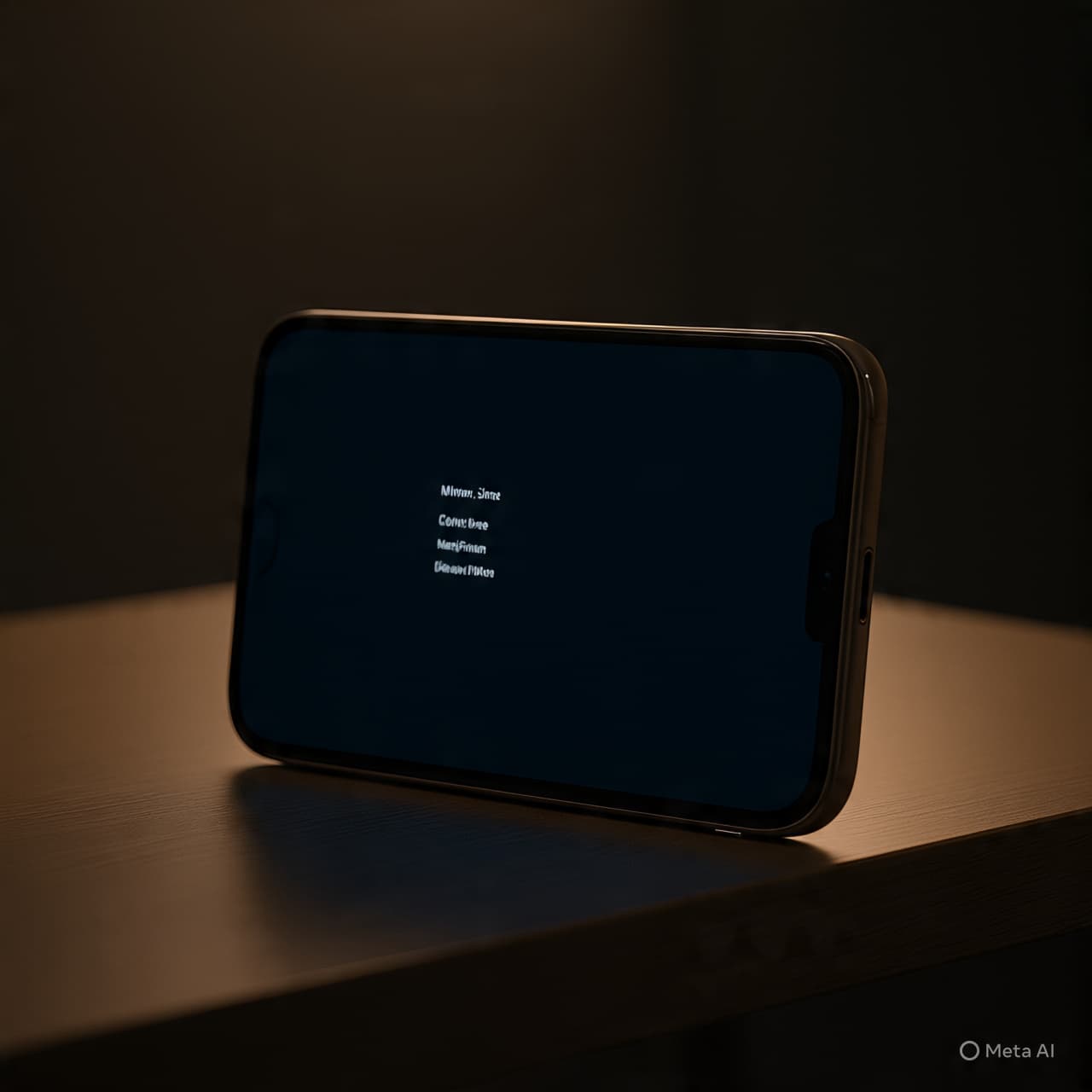
The question arrives without greeting or context. It does not ask how the day has been, or whether sleep came easily. It asks only this: Are you dead? On the screen, the words are blunt, almost comic, yet for many young people living alone, they are oddly comforting.
A Chinese app built around this stark prompt has gone viral among young urban users, particularly those living by themselves. The premise is simple. If a user fails to interact with the app within a set period, alerts are sent to chosen contacts, checking whether something might be wrong. What reads like dark humor masks a deeper anxiety about isolation, silence, and the fear of not being noticed.
Living alone has become increasingly common among young adults in China’s cities, driven by work mobility, rising housing costs, and shifting social norms. With independence comes freedom, but also long stretches of unobserved time. A missed message or unanswered call can linger longer when no one shares the space to notice routine.
The app does not promise rescue, only recognition. It turns absence into a signal, translating inactivity into a question that forces connection. Users say the phrasing matters. Its bluntness cuts through politeness, making it harder to ignore and easier to respond honestly. In a culture where emotional vulnerability is often understated, the app offers a strange workaround.
Critics question whether such tools normalize loneliness rather than address it. Depending on an app to confirm one’s existence can feel like an admission of fragility. Others worry about anxiety being amplified, with users feeling watched or pressured to check in even when they simply want quiet.
Supporters counter that the app reflects reality rather than creating it. Many young people already live unseen for days at a time. The app does not invent the risk; it names it. In doing so, it creates a thin thread between individuals who might otherwise drift unnoticed.
The popularity of Are You Dead? says less about morbidity than about care. It reframes survival as something communal, even when lived alone. In a world where presence is increasingly digital and physical proximity is no longer guaranteed, a blunt question becomes a form of tenderness.
It is not a solution to loneliness, nor does it claim to be. It is simply a reminder that someone, somewhere, is waiting for an answer—and that being asked still matters.
AI Image Disclaimer Illustrations were created using AI tools and are conceptual representations, not real photographs.
Sources Chinese technology media Urban sociology researchers Digital wellbeing analysts Youth culture studies
Published by Banx Network. This article is part of the Banx decentralized media programme, powered by the BXE token on the XRP Ledger.