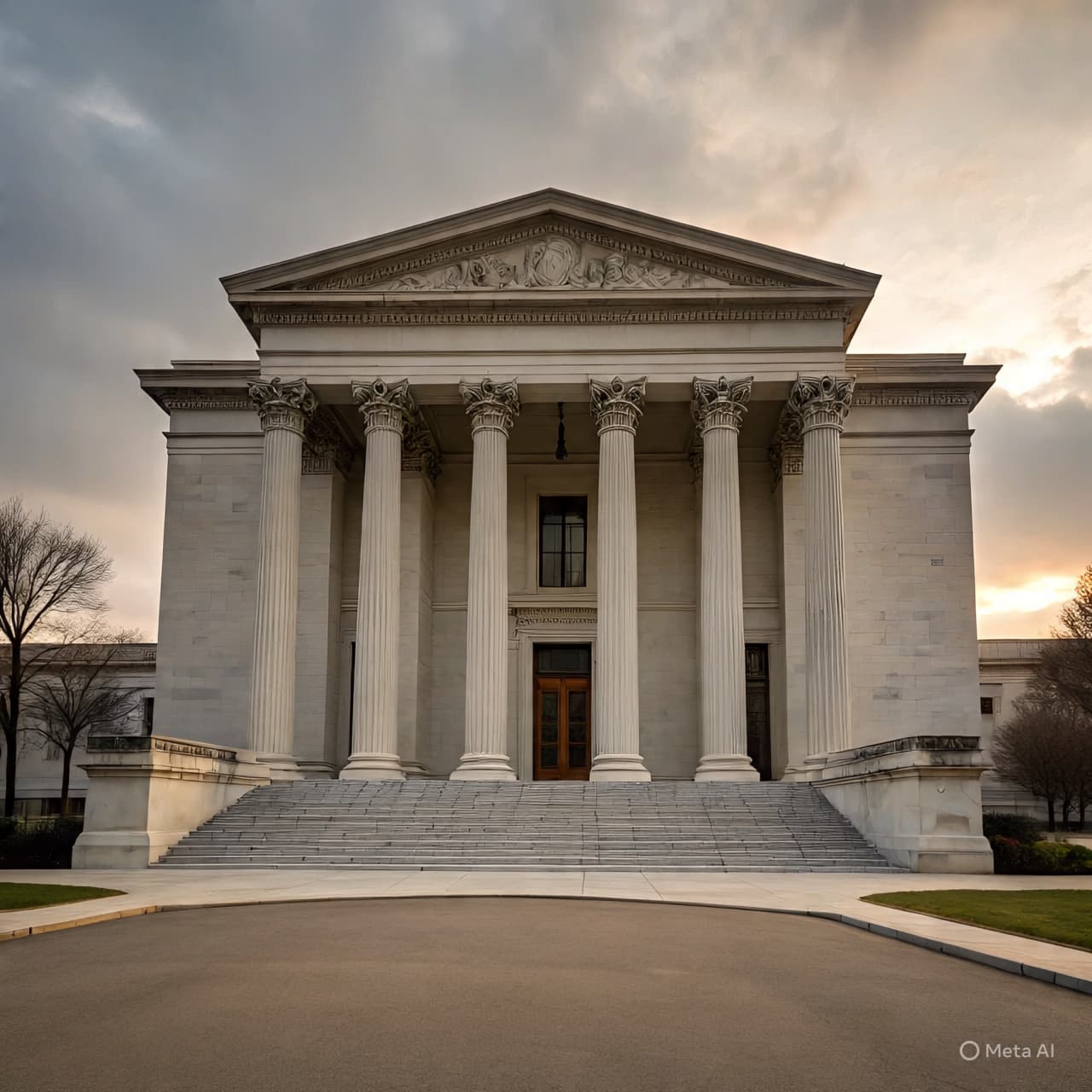
In Washington, moments of transition rarely announce themselves with drama. They arrive quietly, carried on brief statements and familiar names, while the machinery of power continues its steady rhythm. The Federal Reserve, often described as distant from politics yet forever shaped by it, now finds itself once again at such a threshold.
President Donald Trump has named Kevin Warsh as his choice to replace Jerome Powell as chair of the Federal Reserve, signaling a possible change in tone at the world’s most influential central bank. Powell’s term as chair is set to conclude in 2026, closing a period marked by inflation shocks, aggressive rate hikes, and an enduring debate over how insulated monetary policy can remain from political pressure.
Warsh is not a stranger to the institution he may soon lead. He served on the Federal Reserve’s Board of Governors from 2006 to 2011, a span that included the global financial crisis, when emergency lending programs and unconventional policy measures redefined the Fed’s role. In the years since, he has emerged as a vocal critic of prolonged stimulus and expansive balance sheets, arguing that credibility and discipline matter as much as flexibility.
The nomination carries weight beyond biography. The Federal Reserve chair sets the agenda for interest rates, inflation management, and financial stability, choices that ripple outward into mortgages, employment, and global capital flows. Trump has repeatedly criticized the central bank for keeping rates too high, framing monetary policy as an obstacle to growth. Warsh’s past comments suggest greater sympathy toward concerns about economic momentum, though his record also reflects a deep respect for institutional authority.
Confirmation by the U.S. Senate remains ahead, a process likely to probe not only Warsh’s views on inflation and growth but also his stance on the Fed’s independence. For decades, that independence has been treated as a cornerstone of economic stability, even as presidents of both parties have tested its limits with public pressure and private persuasion.
For markets, the announcement is less an answer than a signal. Investors parse names for clues, trying to read future rate paths in past speeches and policy essays. For the broader public, the change is more abstract, felt slowly through borrowing costs and job prospects rather than headlines.
As the nomination moves forward, the Federal Reserve stands between continuity and recalibration. Leadership may change, but the larger questions endure: how much restraint is enough, how much intervention is too much, and how a central bank navigates a political world while insisting it stands apart from it.
AI Image Disclaimer Illustrations are AI-generated and intended as conceptual visuals, not real photographs.
Sources Associated Press Reuters PBS NewsHour The Guardian
Published by Banx Network. This article is part of the Banx decentralized media programme, powered by the BXE token on the XRP Ledger.