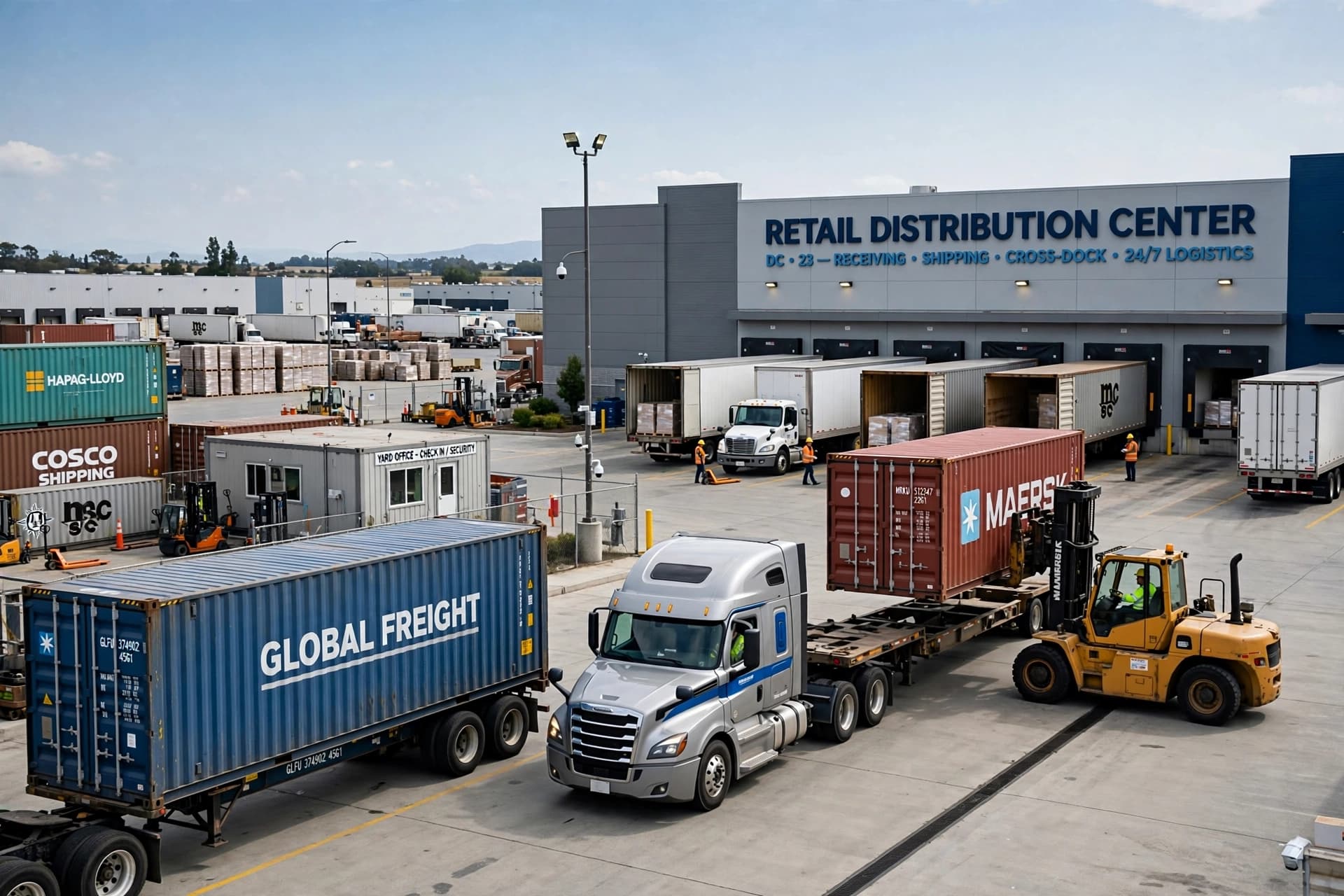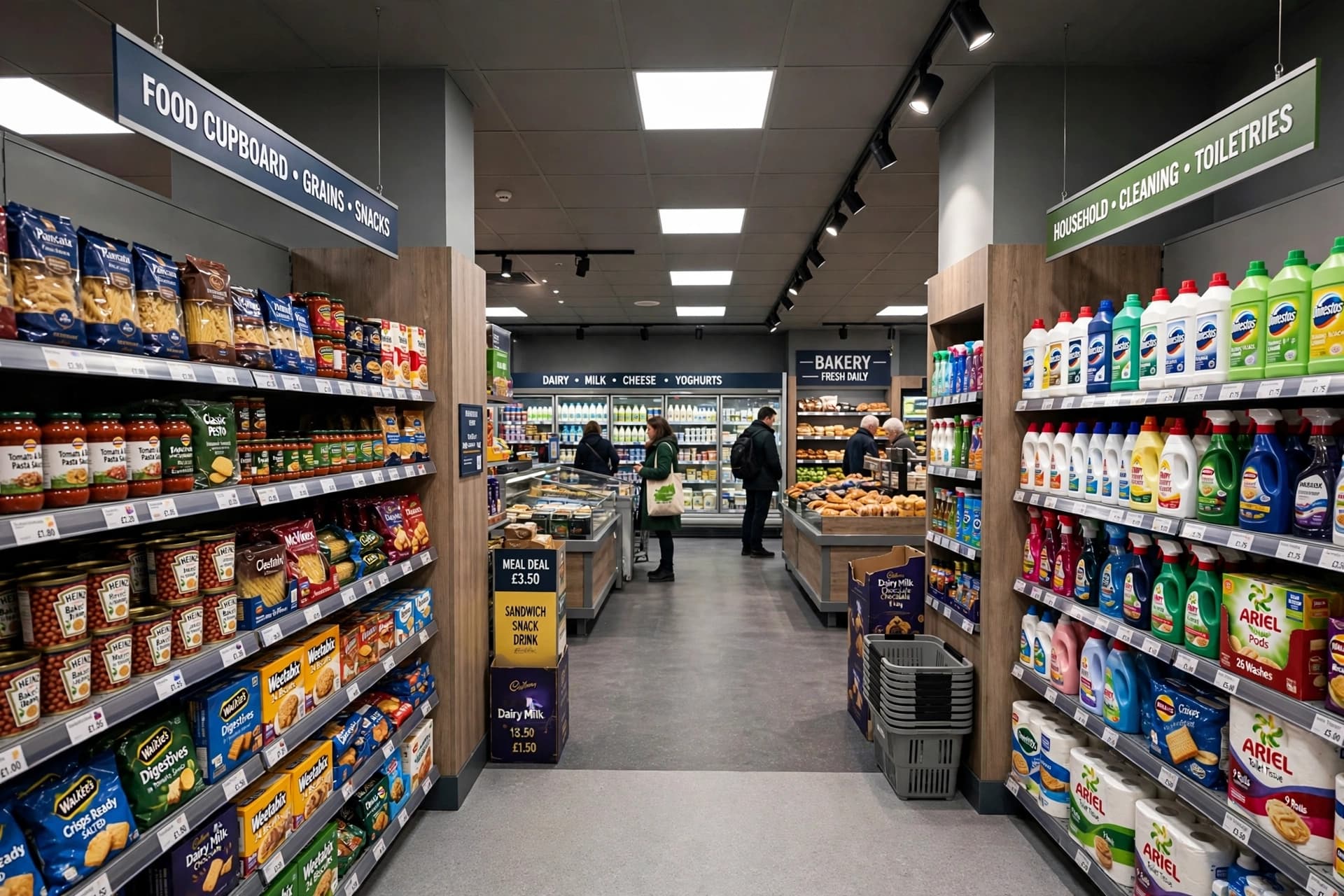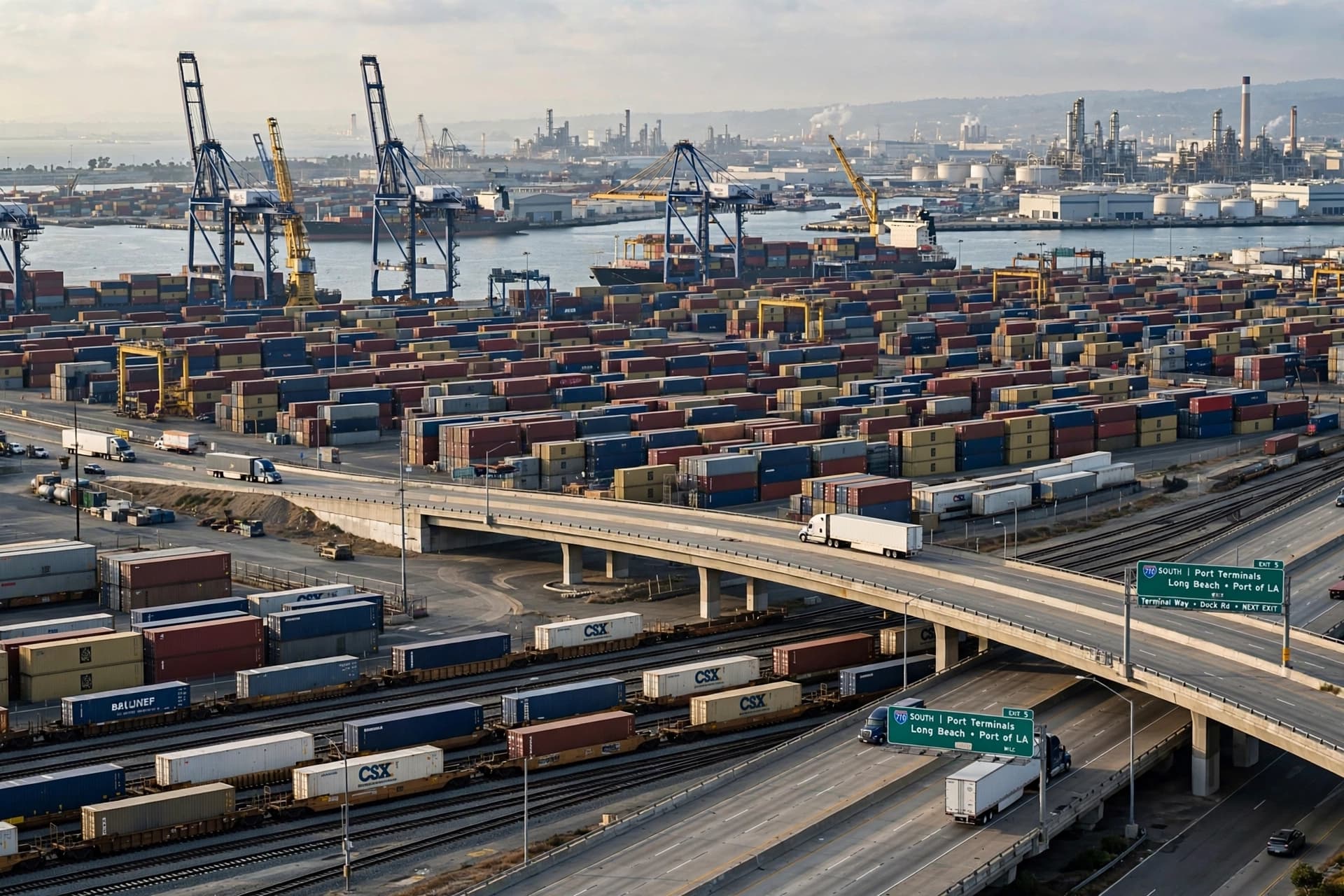
Factories are often described through the products they make, but their existence depends on something much larger: a network of suppliers, transportation routes, workers, energy systems and markets connecting one stage of production to another.
For decades, many American manufacturers developed supply chains that stretched across oceans. Components could be produced in one country, assembled in another and eventually shipped to the United States. The model allowed companies to manage costs and access specialized production, but it also created long chains vulnerable to disruption.
Recent years have encouraged companies to reconsider that structure. Manufacturing investment in the United States has increased in several strategic industries, including semiconductors, batteries, electric vehicles and other advanced technologies.
The shift does not mean that global supply chains are disappearing. Instead, many companies are attempting to build greater flexibility by adding production capacity closer to their final markets or by establishing alternative sources for important components.
That process can be expensive. Building a modern factory requires billions of dollars in equipment, infrastructure and workforce development. Companies must also secure reliable supplies of electricity, water, transportation and specialized materials.
The semiconductor industry provides one of the clearest examples. Chip manufacturing requires highly specialized facilities and a complex ecosystem of suppliers. New American plants therefore create demand not only for chip production but also for chemicals, equipment, construction services and technical workers.
Battery manufacturing is undergoing a similar transformation. The growth of electric vehicles and energy-storage systems has encouraged investment in domestic battery production, while companies seek greater access to materials and manufacturing capacity.
The effects extend beyond individual factories. When a major plant arrives in a region, suppliers often follow. Industrial parks can expand, transportation infrastructure can receive new investment and communities may see changes in employment and housing demand.
At the same time, domestic manufacturing does not eliminate the challenges associated with global commerce. Many American factories still rely on imported machinery, minerals or specialized components. A factory located inside the United States can therefore remain part of an international supply chain.
The emerging manufacturing landscape is consequently less about choosing between domestic and global production and more about finding a workable balance between the two. Companies are increasingly looking at where production happens, how many suppliers they depend on and how quickly they can respond when one part of the system is disrupted.
Across industrial regions, the change is visible in construction sites, new warehouses, expanded power infrastructure and factories taking shape beside older manufacturing communities. The machinery may look familiar, but the logic connecting those facilities is evolving.
American manufacturing is therefore entering another period of adjustment. The factory floor remains the heart of production, but the strength of that floor increasingly depends on everything surrounding it — the roads, ports, suppliers, workers and energy networks that allow modern industry to keep moving.
IMAGE DISCLAIMER
These visuals are AI-generated conceptual illustrations and are not photographs of the actual manufacturing projects or facilities.
SOURCES
Reuters U.S. Department of Commerce U.S. Census Bureau Federal Reserve
Published by Banx Network. This article is part of the Banx decentralized media programme, powered by the BXE token on the XRP Ledger.