
Key Highlights
- New Law:Idaho enacts legislation restricting bathroom access based on sex definitions.
- Supporters' View: Advocates claim the law enhances privacy and safety.
- Critics' Concerns: Opponents argue it disproportionately affects transgender individuals.
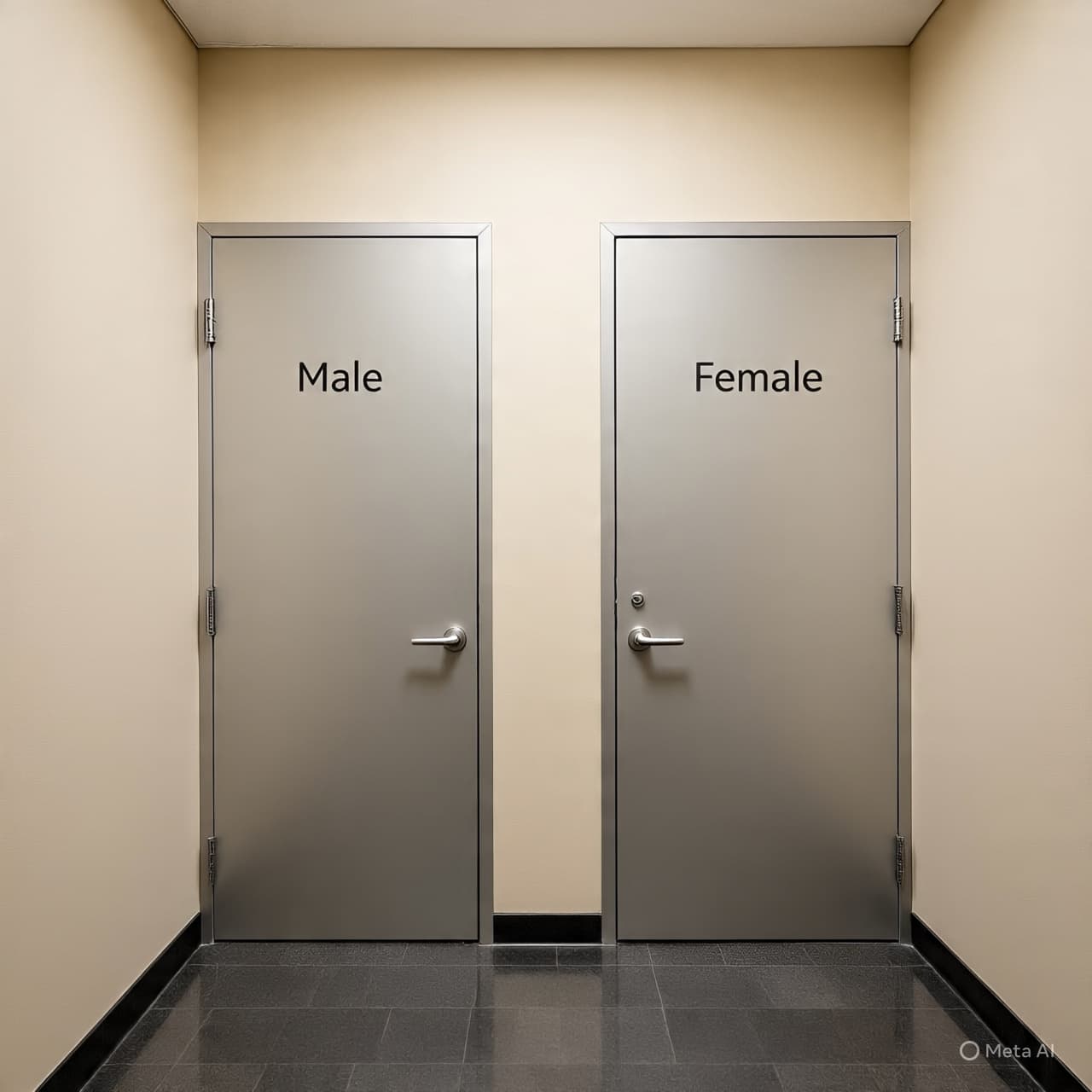
Idaho has recently enacted a law that significantly alters the landscape of bathroom access in private businesses, particularly impacting transgender individuals. This legislation ties access to restrooms more explicitly to legal definitions of sex, a shift from previous practices that often allowed businesses to make their own determinations. The law has sparked a heated debate about identity, privacy, and the implications of such regulations on daily life.
Supporters of the law argue that it provides necessary clarity and addresses safety concerns. They believe that by establishing clear boundaries, the legislation helps to alleviate uncertainties that have arisen in the absence of specific guidelines. Proponents assert that the law is a step towards ensuring that all individuals feel safe and secure in private establishments.
Conversely, critics of the law contend that it introduces harmful restrictions that disproportionately affect transgender individuals. Advocacy groups have voiced their concerns, highlighting that the law could lead to increased discrimination and discomfort for those who do not conform to traditional gender norms. The potential for legal challenges looms as opponents prepare to contest the law's implications in court.
The impact of this legislation will not be immediate; rather, it will unfold gradually in the everyday experiences of individuals and businesses. As the law is implemented, its effects will be felt in the decisions made by business owners and the interactions of patrons within these spaces. The law transforms the act of entering a restroom from a mundane task into a moment of contemplation about identity and societal norms.
In this transitional phase, there is a palpable stillness as stakeholders await the law's full ramifications. While the legislation is now in effect, its interpretation and application will evolve over time, influenced by public response and potential legal scrutiny. The discourse surrounding this law reflects broader societal tensions regarding gender identity and the rights of individuals to navigate public spaces without fear of discrimination.
As Idaho moves forward with this law, the conversation surrounding it will likely continue to grow, highlighting the complexities of identity, privacy, and regulation in contemporary society. The outcomes of this legislative change will resonate beyond Idaho, potentially influencing similar discussions in other states across the nation.
Published by Banx Network. This article is part of the Banx decentralized media programme, powered by the BXE token on the XRP Ledger.



