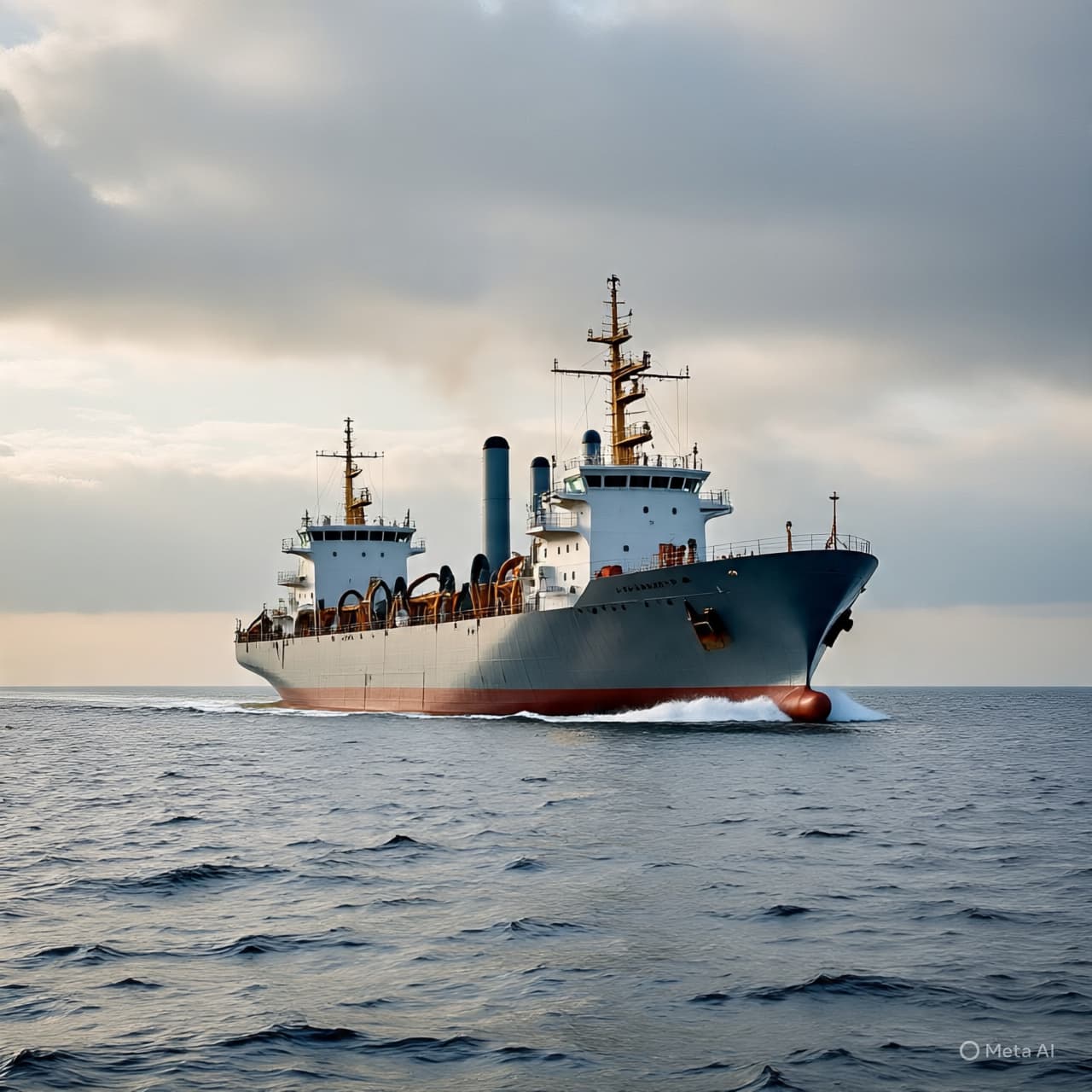
In Europe, diplomacy often moves like a river beneath winter ice—steady, restrained, yet carrying currents strong enough to reshape the shoreline. Policies are debated in meeting rooms far from public view, yet their implications ripple across seas and borders alike. This week, such currents surfaced again as Hungary signaled opposition to Finland’s call for stricter measures against Russia’s so-called “shadow fleet.”
The discussion centers on efforts led by Finland to push for tighter restrictions on vessels believed to be part of Russia’s informal maritime network, often referred to as a shadow fleet. These ships, according to European officials and analysts, are used to transport Russian oil and other commodities in ways that may circumvent sanctions imposed after Moscow’s invasion of Ukraine.
Hungary, under the leadership of Prime Minister Viktor Orbán, has voiced resistance to the proposed ban. Budapest’s position reflects its broader stance on sanctions policy, where it has frequently advocated caution, arguing that additional restrictions could have unintended economic consequences for European Union member states.
The term “shadow fleet” describes aging or reflagged tankers that operate through complex ownership structures and insurance arrangements, sometimes outside traditional Western maritime systems. Western policymakers have grown increasingly attentive to this network, concerned that it enables Russia to sustain energy exports despite sanctions frameworks designed to limit revenue streams.
Finland, sharing a long border with Russia and maintaining close attention to Baltic maritime activity, has emphasized the security and regulatory dimensions of the issue. Officials there argue that stricter controls would strengthen enforcement mechanisms and prevent sanction evasion. The Baltic Sea region, already sensitive due to geopolitical tensions, remains central to these discussions.
Hungary’s reservations, however, underscore the internal balance within the European Union. EU sanctions policy requires collective agreement, and divergences among member states can shape both timing and scope of decisions. Hungary has previously expressed concern that overly broad restrictions may disrupt energy markets or disproportionately affect certain economies within the bloc.
Energy dependency remains a key element in Budapest’s calculus. Hungary continues to rely significantly on Russian energy supplies, and its government has consistently emphasized national energy security as a guiding principle in EU negotiations. From this perspective, proposals affecting maritime transport of Russian oil invite careful scrutiny.
Analysts suggest that the debate reflects not only technical regulatory questions, but also broader strategic positioning within Europe. The Baltic region, where Finland plays a growing security role following its accession to NATO, has become an arena of heightened vigilance. At the same time, Hungary has often pursued a more measured diplomatic approach toward Moscow compared to several other EU capitals.
As discussions continue, the issue remains under review at the European level. No final decision has been announced regarding additional measures targeting the shadow fleet. Diplomatic consultations are ongoing, and further negotiations are expected in the coming weeks.
For now, the matter rests within EU deliberative channels. Hungary has confirmed its opposition to Finland’s proposed ban, while Finland maintains its call for stronger enforcement. The outcome will depend on collective agreement among member states and the evolving landscape of European energy and security policy.
AI IMAGE DISCLAIMER Images in this article are AI-generated illustrations, meant for concept only.
SOURCE CHECK
Credible international coverage on this issue can be found in:
Reuters Politico Europe Euronews Financial Times Deutsche Welle
Published by Banx Network. This article is part of the Banx decentralized media programme, powered by the BXE token on the XRP Ledger.