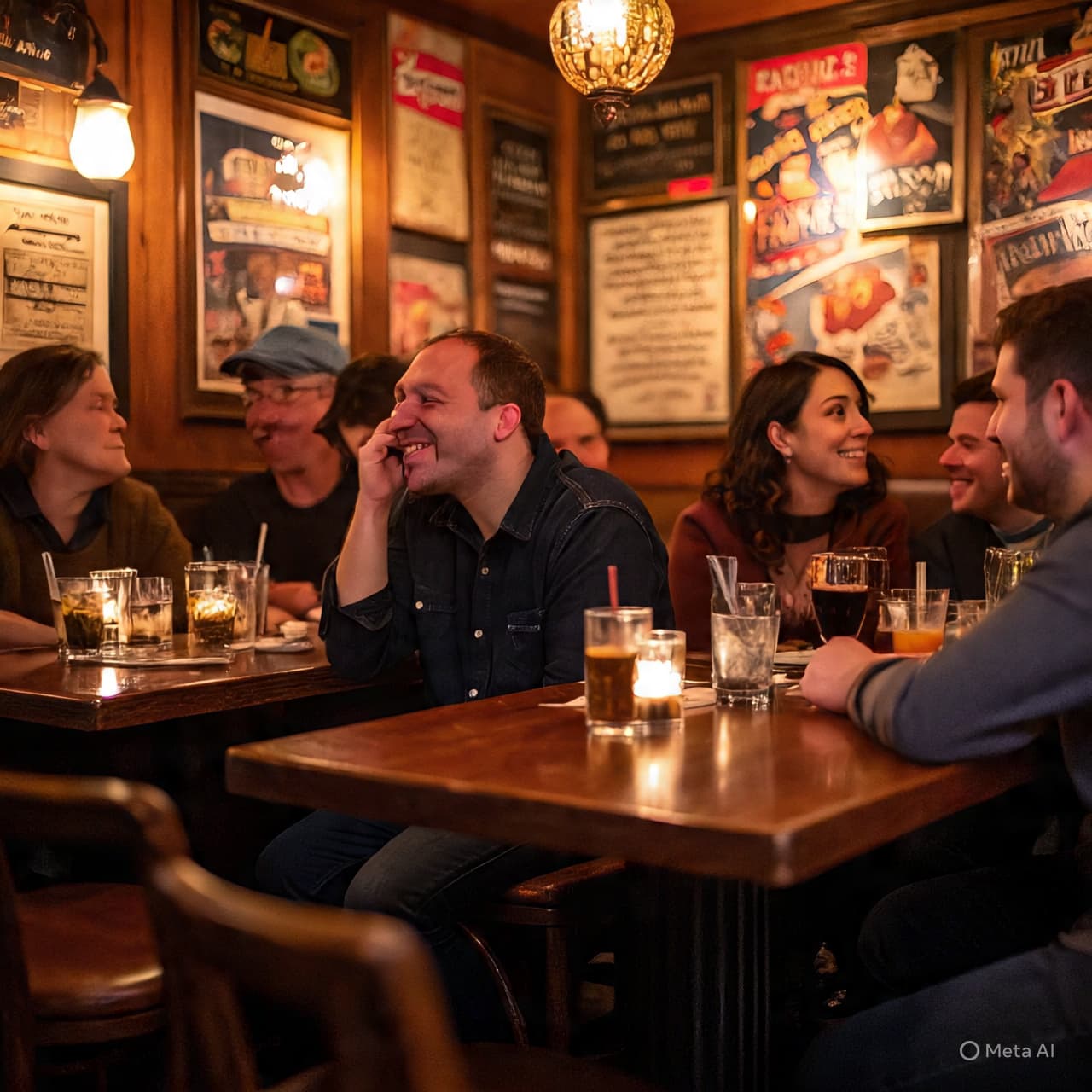
In a bustling suburb of Melbourne, a bar known for its colorful décor and lively evenings has become the focus of an unexpected legal spotlight. Authorities are investigating the establishment under Australia’s new hate speech laws, prompted by posters described by some patrons as satirical, but viewed by others as offensive and potentially discriminatory.
The posters, displayed inside the bar, contained imagery and messaging that sparked complaints from community members. Law enforcement confirmed that the investigation is ongoing, and no charges have yet been laid. Officials noted that the review will consider whether the materials breach provisions designed to prevent public acts that incite hatred or contempt toward particular groups.
The case reflects the tensions that often arise at the intersection of humor, expression, and regulation. Satire has long been a vehicle for social commentary, but legal frameworks have evolved to draw clearer lines around what constitutes unlawful promotion of hatred or vilification. Lawyers and advocacy groups emphasize that context, intent, and audience reception all play a role in determining whether conduct falls within criminal parameters.
Bar owners expressed surprise at the attention, asserting that the posters were intended as playful commentary rather than harm. Yet community leaders and civil rights advocates argue that even satirical content can reinforce stereotypes and contribute to an environment that marginalizes vulnerable groups. The investigation highlights broader societal debates about free speech, artistic license, and the responsibilities of public spaces.
Since the introduction of Australia’s new hate laws, law enforcement agencies have received guidance on how to respond to complaints while balancing constitutional protections and public safety. The legislation aims to address incidents that are deliberate and targeted, rather than casual or accidental offenses, but ambiguity remains a subject of discussion in legal circles.
As the bar continues its operations, patrons and staff find themselves navigating a complex public conversation. What was once considered playful décor now sits under the lens of statutory scrutiny. For lawmakers and the public alike, the situation underscores the evolving challenges of regulating expression in spaces where freedom and accountability intersect.
Whether the investigation will result in charges or a formal warning remains uncertain. For now, the case serves as a reminder that in modern Australia, humor and law can collide in unexpected ways, and that even familiar venues can become stages for broader societal debate.
AI Image Disclaimer
Illustrations were created using AI tools and are not real photographs.
Sources
ABC News The Age Sydney Morning Herald Australian Federal Police
Published by Banx Network. This article is part of the Banx decentralized media programme, powered by the BXE token on the XRP Ledger.