There are moments in our days when we feel the quiet weight of labor settle into our shoulders — not as something grand or monumental, but as something persistent, like a tide that never quite recedes. For those who offer legal care to families navigating the uncertain currents of immigration law in North Texas, this tide often seems more relentless than most. Long hours blur into weeks, and every case file carries a human story — one that defies easy judgment and demands heartfelt attention.
In Fort Worth and surrounding communities, immigration attorney Jaime Barron finds himself awash in that very tide. At 51 years old, he describes his work as both a calling and a crucible, averaging about 65 hours a week with few days of rest. For him and others in similar practice, the challenges extend beyond legal complexity into a terrain marked by emotional strain and, as Barron notes, the corrosive impact of resentment directed at those they help.
It is not difficult to imagine how the daily work of advocacy — guiding a worried parent through paperwork, interpreting legal language for a frightened teenager, sitting with a family separated by circumstance — can create both deep fulfillment and deep fatigue. But when the narrative around such work includes sharp criticism and public hostility, the quiet labor of care can come to feel like a lonely vigil. Barron’s experience reflects this layered reality: where burnout is born not only of time spent but of the intensity of the stakes involved.
Immigration law itself is a field shaped by shifting borders of policy and politics, where rules can change with a new administration or an executive memo. For attorneys, the work requires not only mastery of statutes but empathy and resilience in the face of human suffering and procedural uncertainty. In many ways, each attorney carries not just legal briefs but the hopes and fears of clients who see their futures resting, in part, on a competent and caring advocate’s guidance.
Barron’s reflections suggest that burnout is not an abstract concept but a lived experience — one that affects performance, well-being, and the overall sustainability of representation for communities in need. He speaks gently but fairly when he notes that the work never really stops, that the demands are unending, and that the emotional cost is something many in his field grapple with daily.
Beyond hours and paperwork, the work of an immigration attorney often intersects with public perception. In some corners, these legal professionals are seen as defenders of justice and humanity; in others, they encounter skepticism or even hostility from those who view immigration through a more contentious lens. Barron’s mention of hate reflects this broader social climate — a reminder that narratives around immigration are not just legal debates but deeply felt cultural conversations as well.
Yet, within these challenges, attorneys like Barron continue to show up. Their commitment underscores a belief that offering legal guidance — especially to individuals under duress — is an essential aspect of a system that ideally aspires to fairness and due process. Whether in a crowded court hallway, a small office, or a late-night video call with a family in need, this resolve speaks to a larger human story of caretaking amid complexity.
The narrative of burnout, then, is not simply about exhaustion. It is a reflection of the profound emotional engagement required by this work — a tether between professional duty and personal compassion. Barron’s experience stands as a quiet reminder that behind each case code and procedural step is a human life seeking resolution and dignity.
In this moment, the broader landscape of immigration law continues to evolve across Texas and the United States, shaped by policy debates and legal reforms that ripple through courtrooms and communities alike. For now, Barron’s story remains a thoughtful lens into the nuanced day-to-day of those who stand at the intersection of law and humanity.
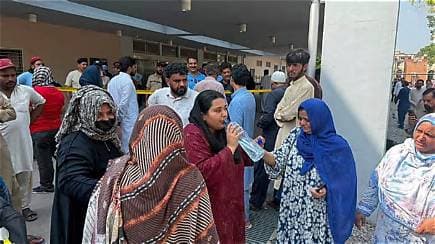
AI Image Disclaimer Visuals are created with AI tools and are not real photographs; they serve as conceptual representations.
Source Check Fort Worth Star-Telegram — local coverage of the attorney’s remarks. (Additional sources may exist but Star-Telegram is confirmed currently reporting this specific headline.)
Published by Banx Network. This article is part of the Banx decentralized media programme, powered by the BXE token on the XRP Ledger.