Inside a modern hospital, technology often works quietly. A screen displays an image, software examines patterns, and a doctor considers information gathered from several sources before making a decision. In South Korea, artificial intelligence is gradually becoming part of that environment, adding another layer to the country's rapidly developing healthcare system.
South Korea has continued expanding the use of artificial intelligence across healthcare, particularly in medical imaging, diagnostic assistance, and hospital data systems. The country's strong technology sector has provided hospitals and medical researchers with access to advanced computing tools that can be adapted to clinical environments.
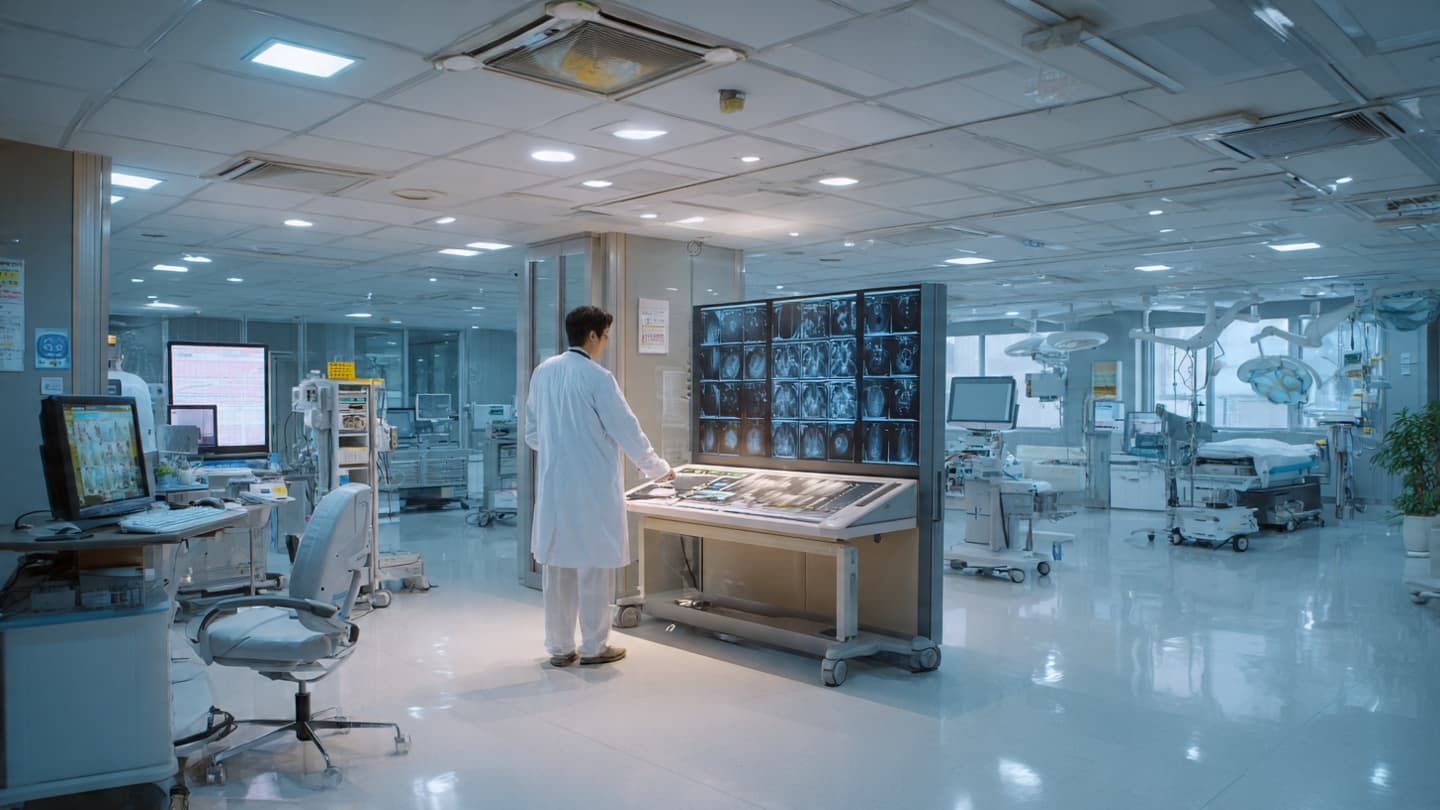
Medical imaging has emerged as one of the clearest areas for AI applications. Algorithms can analyze X-rays, CT scans, MRI images, and other medical data to identify patterns that may require closer attention from physicians.
The purpose is generally not to replace doctors but to provide another source of information. A physician can compare an algorithm's findings with medical history, physical examinations, laboratory results, and personal experience before reaching a conclusion.
South Korea's aging population is another factor encouraging investment in healthcare technology. As the number of older adults increases, demand for medical services is expected to grow. Digital tools may help hospitals manage larger quantities of information while making some administrative and diagnostic processes more efficient.
Yet healthcare AI requires a different level of caution from many other digital applications. Errors can have direct consequences for patients, making data quality, clinical validation, privacy, and human oversight essential parts of any implementation.
Hospitals must also integrate new systems into existing workflows. A technologically advanced tool can provide limited value if doctors and nurses find it difficult to use or if information does not move smoothly between different hospital systems.
South Korea's technology companies and medical institutions are therefore working within a gradual process. The most useful applications are likely to be those that fit naturally into existing clinical routines while giving professionals additional information without creating unnecessary complexity.
The country's experience is being watched beyond its borders because healthcare systems around the world face similar pressures. Artificial intelligence may offer new ways to process medical information, but its long-term value will depend on how carefully the technology is developed and incorporated into real clinical environments.
For South Korea, the movement from experimentation toward practical healthcare applications is already underway. The screens inside hospitals may look ordinary, but behind them lies a broader transformation in how medical information is collected, examined, and used.
AI Image Disclaimer: The illustrations were created with AI tools as conceptual depictions of healthcare technology and are not photographs of actual patients or hospitals.
Sources:
Reuters Ministry of Health and Welfare of South Korea Ministry of Science and ICT of South Korea Korea Disease Control and Prevention Agency World Health Organization
Published by Banx Network. This article is part of the Banx decentralized media programme, powered by the BXE token on the XRP Ledger.