
Key Highlights
- U.S.-Iran relations are strained over nuclear activities and maritime security.
- The Strait of Hormuz is crucial for global oil exports, heightening geopolitical stakes.
- Diplomatic negotiations continue, but military tensions persist.
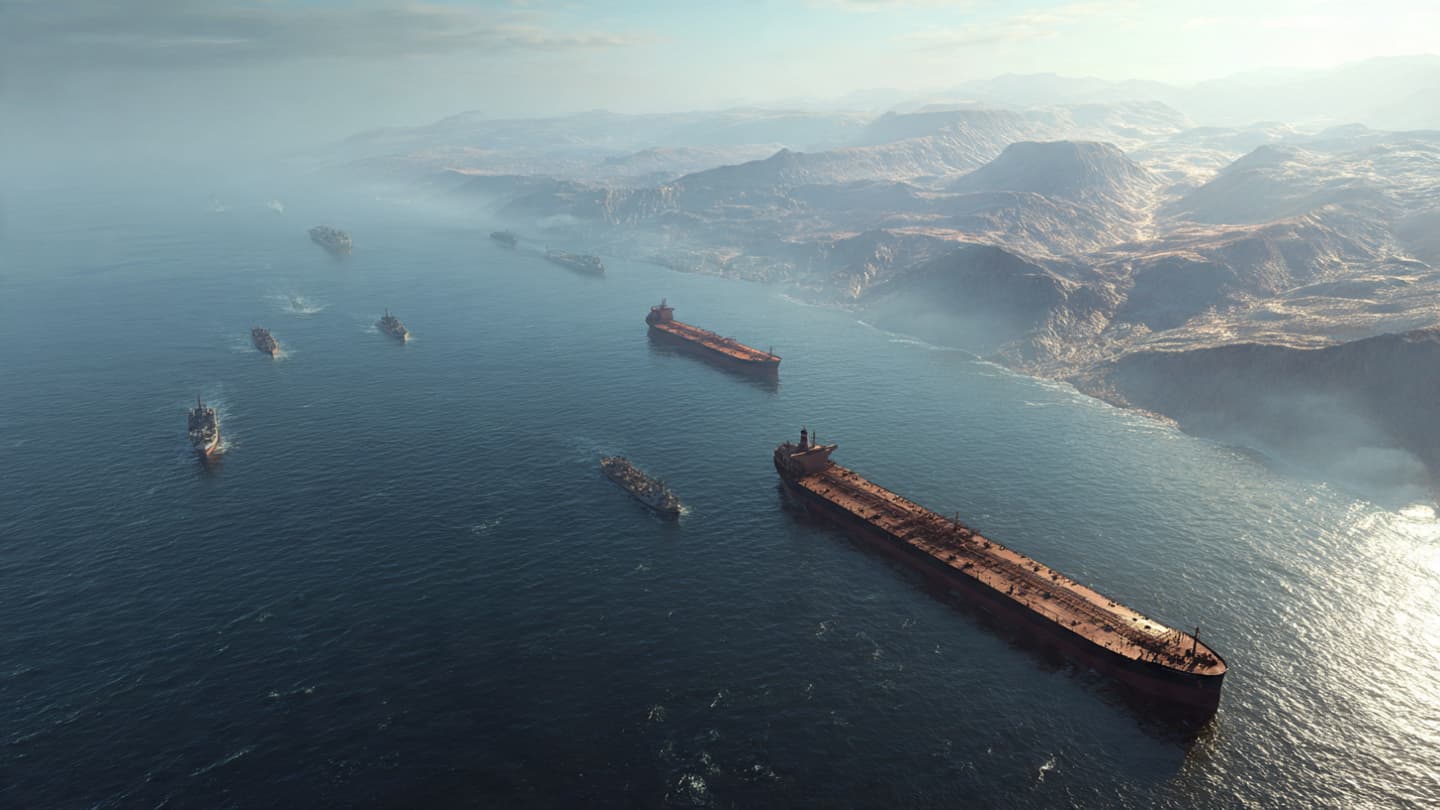
The Strait of Hormuz, a vital maritime passage, is once again at the center of geopolitical tensions as the United States and Iran navigate a complex landscape of nuclear concerns and military posturing. This narrow waterway is not only a critical route for oil tankers but also a flashpoint for international relations, reflecting decades of conflict and cooperation among regional powers.
Recent developments have seen Iranian officials issue warnings regarding the potential impact of military pressure on Tehran's nuclear decisions. As the U.S. and its allies ramp up military coordination in the Persian Gulf, concerns grow over Iran's expanding stockpile of highly enriched uranium. Analysts emphasize that the combination of strategic waterways and unresolved nuclear issues creates a precarious situation, with both sides wary of miscalculations that could lead to conflict.
The Strait of Hormuz is responsible for a significant portion of the world's oil exports, making any instability in the region a matter of global economic concern. Even minor disruptions in this vital corridor can lead to fluctuations in energy prices and impact international markets. The U.S. has justified its military presence in the area as a necessary measure to safeguard shipping routes and maintain stability, but this has also heightened tensions with Iran.
Diplomatic efforts to address Iran's nuclear program have been ongoing for years, yet progress has often been stymied by political disagreements and regional security incidents. The interplay of sanctions, military maneuvers, and diplomatic negotiations creates a complex backdrop against which both nations operate. While neither side appears eager for a full-scale war, the risk of miscalculation remains high, particularly as military signaling and naval patrols increase.
As the international community watches closely, the relationship between the U.S. and Iran hangs in a delicate balance between deterrence and diplomacy. The situation in the Strait of Hormuz serves as a reminder of the intricate connections between energy security and geopolitical stability, with the potential for both escalation and compromise looming on the horizon.
The visuals featured in this report were created using AI-generated imagery.
Published by Banx Network. This article is part of the Banx decentralized media programme, powered by the BXE token on the XRP Ledger.



