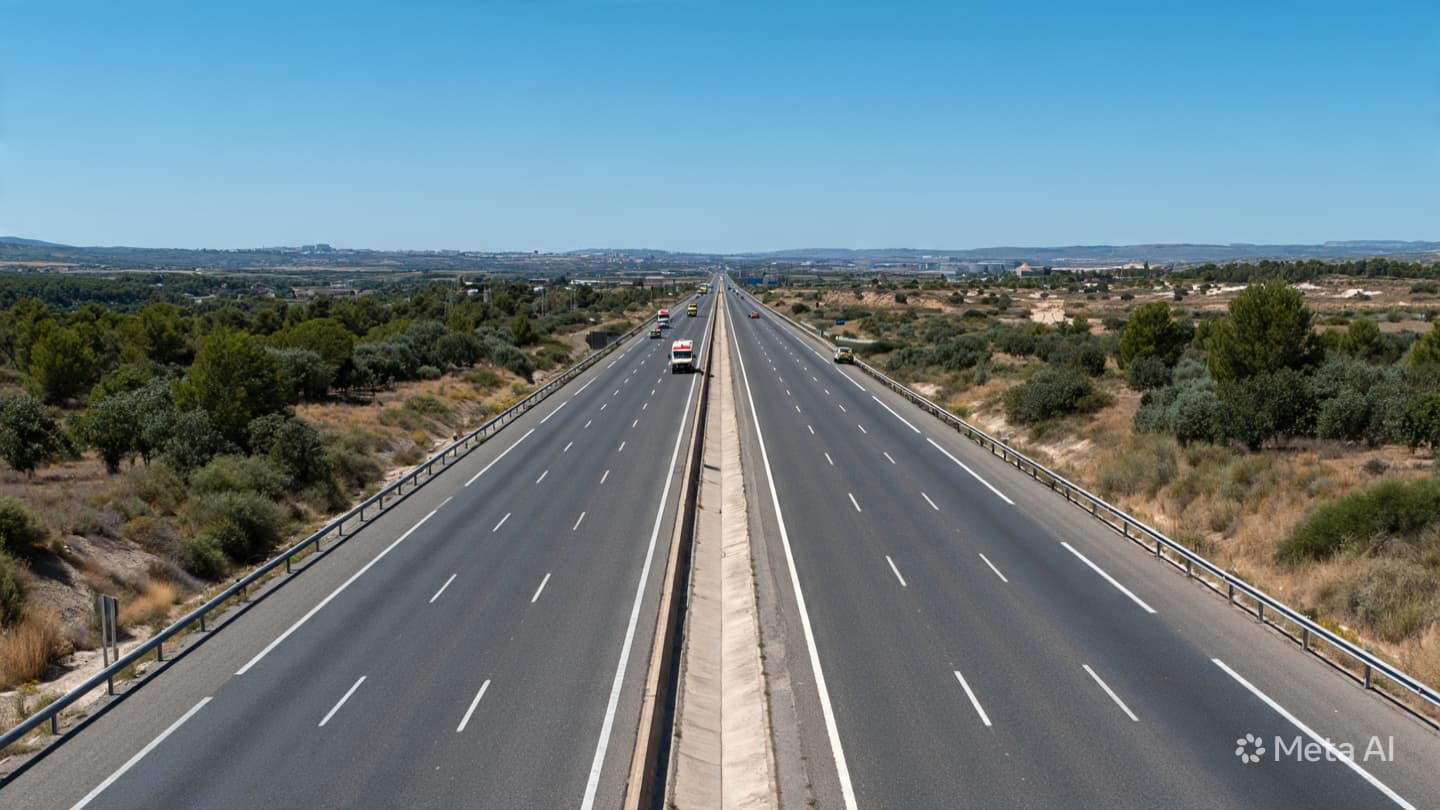
The AP-7 highway, a vital artery of movement connecting the sun-drenched landscapes of the coast, is usually a place of relentless forward motion. It is a conduit of lives in transition, where the horizon constantly recedes and the rhythm of the road becomes a hypnotic, steady cadence. Yet, this flow is deceptive. Beneath the hum of tires on asphalt lies an inherent volatility, a precarious balance between speed, intent, and the sudden, unpredictable intrusion of chaos that can unravel the journey in a single, fractured moment.
When a multi-vehicle pileup occurs, the rhythm of the highway is shattered, replaced by an abrupt, jarring silence that seems to press against the ears. The continuity of the journey is lost, replaced by the emergency lights that cut through the landscape, illuminating the wreckage with a harsh, clinical clarity. For the individuals involved, the transition from the purposeful travel of a normal day to the sudden stasis of an accident is total, turning a stretch of familiar road into a site of profound human upheaval.
The work of the emergency responders in such moments is a testament to the discipline required when the expected rules of motion fail. They move through the debris with an unwavering, focused intent, managing the wreckage and the injured with a quiet, practiced expertise. The landscape around them—the open expanses of Alicante—seems to witness this scene with a detached, vast indifference, contrasting sharply with the urgent, high-stakes efforts to preserve life and manage the scene of the collision.
Such accidents compel us to reflect on the nature of our mobility. We travel these roads often with a sense of invulnerability, trusting in the engineering of the highway and the collective caution of our fellow drivers. A multi-vehicle collision serves as a brutal reminder of the fragility of that trust. It highlights the vulnerability of the individual within the mass of traffic, a lone participant in a complex, high-speed system where even a minor error can have cascading, catastrophic consequences for everyone in the vicinity.
As the authorities begin the arduous process of clearing the road and investigating the sequence of events, the highway remains closed, a suspended corridor of stationary vehicles. This stillness is strange and uncharacteristic for the AP-7, a space usually defined by its vitality and constant change. Travelers who were once speeding toward their destinations now find themselves caught in a moment of enforced reflection, looking toward the site of the crash with a mixture of empathy and relief. It is a shared experience of vulnerability that momentarily binds these strangers together.
The aftermath of such an event is marked by a somber quietude. When the smoke clears and the wreckage is eventually cleared, the road itself offers no sign of what transpired. The asphalt heals over, the flow of traffic resumes, and the rhythm of the AP-7 returns to its hypnotic, forward-looking pace. Yet, for those affected, the road will forever be marked by the memory of that specific stretch, a place where the forward momentum of life was suddenly and violently halted.
In the reporting of such events, the language often turns toward the factual—the number of vehicles involved, the timing of the alert, the grim tally of fatalities. This is necessary, a way of grounding the tragedy in the observable reality of the world. However, beneath these statistics lies the human story of the individuals involved—lives interrupted in the middle of a journey, a commute, or an escape to the coast. It is a reminder that every statistic represents a ripple of impact that reaches far beyond the highway itself.
The investigation into the collision will focus on the mechanics of the accident, the speed, the visibility, and the interactions between the vehicles. These technical details are important for the prevention of future incidents, a way of trying to make our systems of movement safer, more resilient against the unpredictable. But in the quiet aftermath, it is the simple human loss that resonates, the awareness that the ease of our modern transport hides a persistent, underlying risk that we all accept every time we merge into the lane.
Ultimately, the AP-7 stands as a mirror of our wider society—a place of progress and connection that remains vulnerable to the sudden, sharp disruptions of reality. As the flow of traffic restarts, the collective motion continues, but perhaps with a slightly heightened awareness of the path ahead. The incident in Alicante is a sobering note in the broader song of the road, a reminder to tread carefully, to hold our momentum with respect, and to remain mindful of the lives moving alongside us in the endless flow of the journey.
A severe multi-vehicle collision on the AP-7 highway near Alicante has resulted in two fatalities and multiple injuries. Emergency teams responded to the site following the pileup, which disrupted traffic along the major coastal artery for several hours. The local traffic authority has initiated an investigation to determine the contributing factors of the accident, and the highway has since been reopened to normal transit.
Published by Banx Network. This article is part of the Banx decentralized media programme, powered by the BXE token on the XRP Ledger.