.jpeg&w=3840&q=75 "Between Hope and Hurdle: Reflections on Gaza’s Rebuilding Vision")
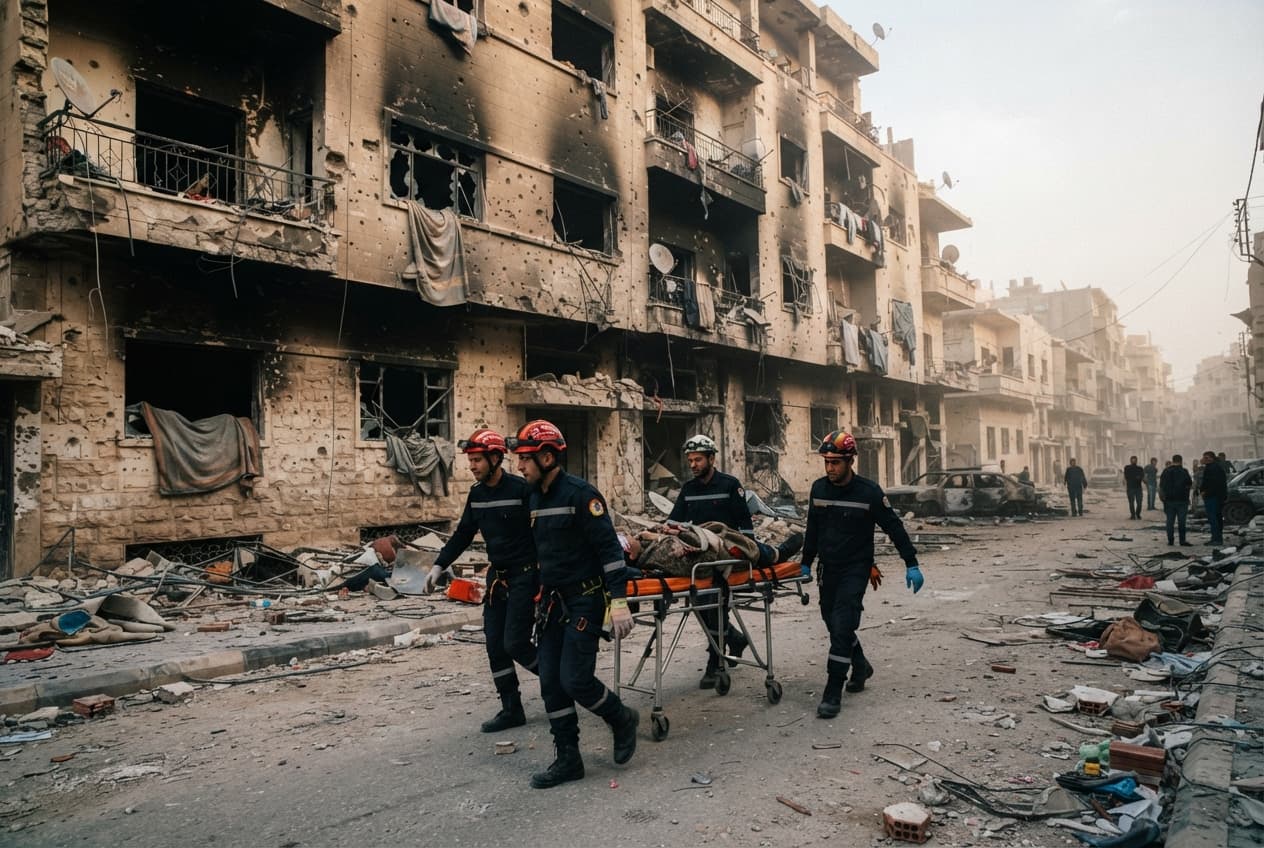
In the corridors of power, visions often appear as light on a distant wall — a promise of renewal yet tempered by shadows of complexity. Jared Kushner’s plan to rebuild Gaza has landed in such a space, ambitious in scope but confronted immediately by the contours of reality. Beyond maps and financial outlines lie neighborhoods scarred by years of conflict, infrastructure that struggles under the weight of scarcity, and communities whose daily life has been defined by resilience rather than grand designs.
The proposal envisions a transformation: economic zones, modern housing, and investment meant to ignite growth. Yet the path forward is not paved with good intentions alone. Political divisions, entrenched local governance challenges, and the delicate balance of regional alliances all cast long shadows over the blueprint. Even as planners speak of opportunity, the ground tells a different story: electricity grids falter, ports struggle, and the intricate social fabric of Gaza must be navigated with care.
The international response has been cautious, measured. Donors and policymakers weigh the potential for progress against the risk of frustration and failure. Security concerns, political sensitivities, and the historical weight of unfulfilled promises make every decision a negotiation, not just of resources but of trust. Meanwhile, residents move through their streets with a quiet rhythm, the pulse of daily life continuing even as headlines highlight potential transformation.
Ultimately, Kushner’s vision stands as a testament to the difficulty of rebuilding amid conflict. It is a reminder that development is never only a matter of bricks and dollars; it is a negotiation with history, human complexity, and circumstance. Whether the plan will find purchase, or remain a blueprint on paper, is a question still unfolding under the sun and shadow of Gaza’s streets.
AI Image Disclaimer Visuals are AI-generated and serve as conceptual representations.
Sources Reuters; Al Jazeera; The Guardian; The New York Times; Middle East Monitor
Published by Banx Network. This article is part of the Banx decentralized media programme, powered by the BXE token on the XRP Ledger.