In the gentle unfolding of a winter morning, world affairs can sometimes shift like sunlight across quiet seas subtle at the outset, but deepening into broader currents that touch distant shores. At the heart of one such current now stirring international discussion is a proposal that seems at once grand in aspiration and curious in detail, like a tapestry patterned with both hope and question.
Recent reports, drawing on a draft charter of a newly envisioned international “Board of Peace,” suggest that nations seeking permanent membership in this body could be asked to offer contributions of roughly $1 billion. The image of a board devoted to peace evokes the longing for stability in places long marked by conflict; yet, the notion of large financial undertakings attached to that vision has prompted reflection across diplomatic circles. Reporters described how the draft, seen by Bloomberg News and shared broadly by outlets including Reuters and regional press, positions former U.S. President Donald Trump as the inaugural chairman of this board a role in which he would invite and approve members, with terms of service that might be extended for those who meet the proposed financial threshold.
In Washington, the White House offered its own response, choosing a measured tone that aimed to clarify rather than escalate. Officials took to social media, noting that describing a fixed fee was “misleading” and emphasizing that there is no formal requirement for such a payment to join the Board of Peace. Instead, the administration framed permanent membership as a symbol of enduring commitment to peace, security, and prosperity language that resonates with the aspirations voiced in corridors of international diplomacy. Yet the specifics of what that commitment might entail in practice remain open to interpretation by countries invited into the fold.
Diplomats and observers watching these developments find themselves pondering the broader significance of such a board. Could it become a forum that nurtures cooperation and rebuilds trust where conflict has been enduring? Or will the association of financial criteria with peace initiatives raise questions about equity and influence in global governance? These reflections are part of how nations large and small consider their role in shared security and the long arc of peacemaking. The language of peace often carries lofty promise; at the same time, the structures built to advance it are shaped by decisions that transcend rhetoric and enter the realm of policy.
There is also a larger backdrop to these discussions. The Board of Peace idea is tied not only to broader aspirations beyond individual conflict zones but also to specific efforts surrounding the recovery and governance of areas such as Gaza following intense conflict. Invitations have already been extended to leaders from numerous countries, pointing to an evolving diplomatic landscape where traditional multilateral institutions are complemented and sometimes contrasted by new frameworks of engagement. How this board will be perceived by the wider world remains a subject of thoughtful debate among policymakers, scholars, and citizens alike.
In the end, the story of a proposed “peace board” is more than a tabulation of figures and statements it is a reflection of humanity’s complex hopes for stability and cooperation. As dialogue continues, the contours of international partnership will likely shift, shaped equally by ideals and the practicalities of implementation.
In a brief statement, the White House reiterated that no specific payment is mandated for membership and that the board’s goal is to foster lasting global engagement with shared commitments. Whether this vision takes shape in the months and years ahead will depend on conversations between nations seeking pathways to peace.
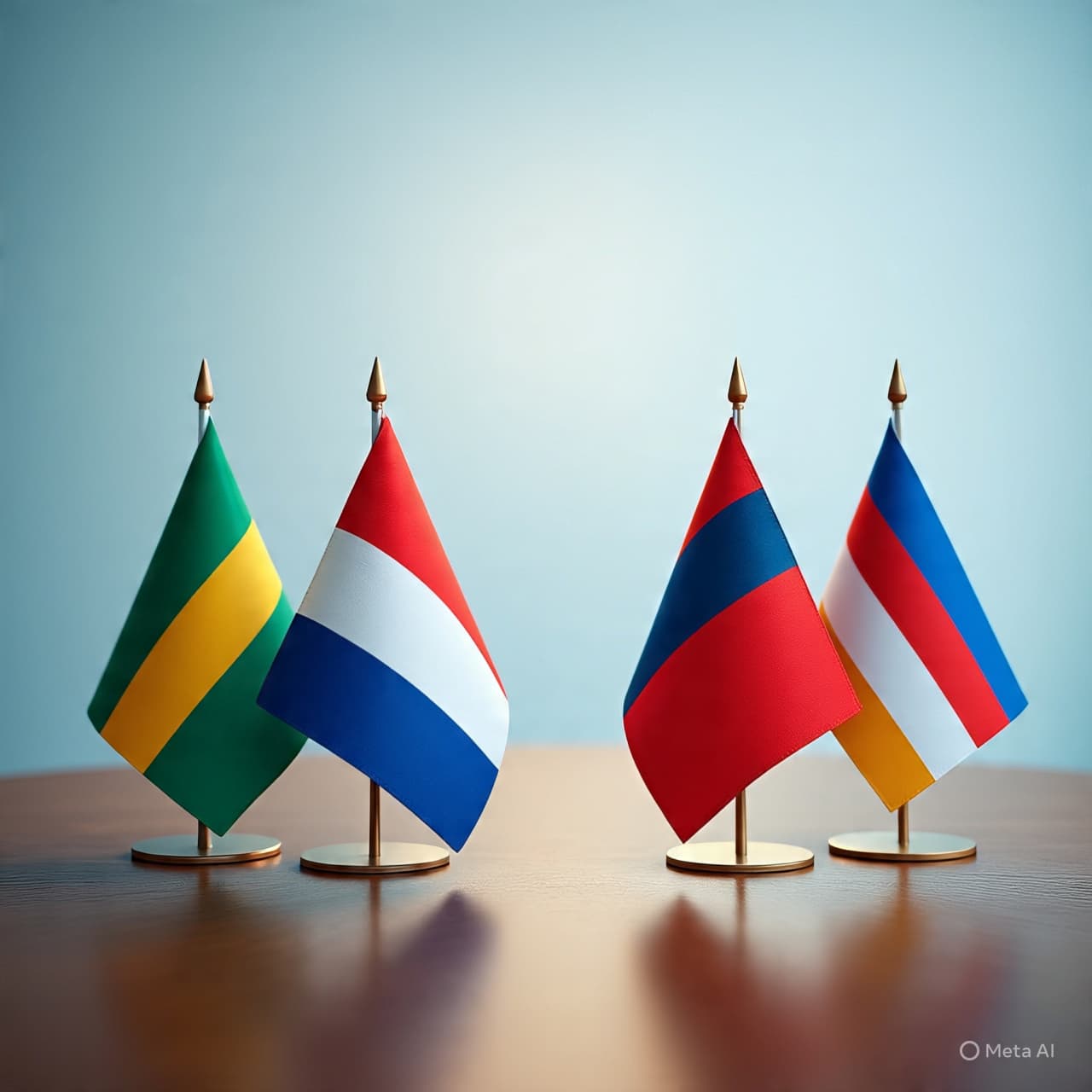
AI Image Disclaimer Visuals are created with AI tools and are not real photographs; they depict conceptual representations.
Sources
Reuters Bloomberg News Hindustan Times DNA India The Jerusalem Post
Published by Banx Network. This article is part of the Banx decentralized media programme, powered by the BXE token on the XRP Ledger.