
Key Highlights
- FDA Memo:At least ten children may have died due to COVID-19 vaccinations.
- Myocarditis:Inflammation of the heart is cited as a potential cause.
- Public Health Response:Calls for more stringent oversight and randomized studies.
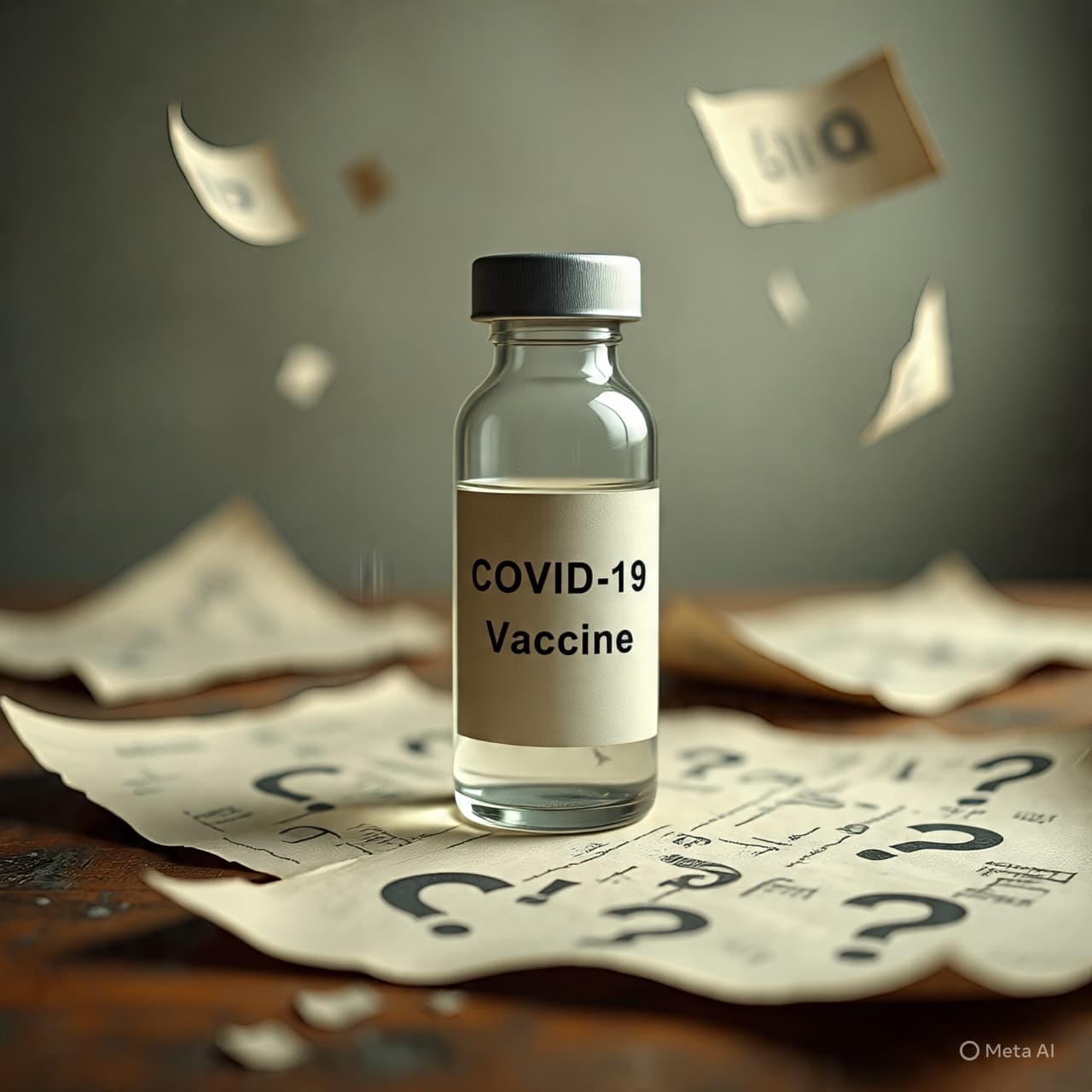
In a quiet room where policy memos cross hands and data silently shifts the course of decisions, a revelation has stirred a long-standing belief: vaccines — once thought nearly unassailable — may carry deeper consequences than many assumed. The recent report from the U.S. Food and Drug Administration (FDA), as revealed by The New York Times, claims that at least ten children “likely died” as a result of receiving COVID-19 vaccinations, with myocarditis — inflammation of the heart — identified as a possible cause.
The internal memo, authored by the agency's medical-scientific leadership, reportedly describes this finding as “a profound revelation.” It signals a turning point in vaccine oversight, with calls for more stringent regulations, including demands for randomized studies covering all subgroups. However, many crucial details remain opaque. The memo does not disclose the ages of the children, their prior health conditions, or which vaccine manufacturers were involved. Furthermore, it lacks a public, peer-reviewed study to substantiate its claims.
Experts outside the memo have expressed concern, warning that a report based on internal data — without transparent, publicly released evidence and independent review — is insufficient to definitively establish causation. They argue that the risk lies in stirring fear without clarity and in shaping policy based on incomplete signals. This caution is particularly relevant in the current climate, where public trust in health authorities is paramount.
The landscape of COVID-19 vaccine policy has shifted significantly. Under the leadership of Robert F. Kennedy Jr., access to vaccines has reportedly been limited to older adults and those with underlying health conditions. This change reflects a growing caution among policymakers, but it also raises questions about the implications for younger populations who may feel left in the dark.
For parents, caregivers, and younger adults, the contents of the memo may feel like a call to pause — to seek answers, context, and transparency. The implications of these findings are profound, raising hard questions about how to balance urgency, precaution, and trust in public health systems. For the millions of children vaccinated, it stirs unease, even as countless others remain unharmed.
This moment need not become a rupture in public trust; rather, it can serve as a turning point for deeper inquiry, open data, and honesty in public health. The stakes are too high — life, trust, and collective wellbeing — to do less. In the days ahead, much will hinge not on the memo itself, but on what follows: careful investigation, transparent reporting, and sober deliberation. Clarity, after all, is the vaccine against fear.
Published by Banx Network. This article is part of the Banx decentralized media programme, powered by the BXE token on the XRP Ledger.



