
Key Highlights
- Narges Mohammadi sentenced to an additional six years in prison.
- The ruling is linked to charges of national security violations.
- Human rights organizations express concern over the implications for civil activism.
Narges Mohammadi, a prominent Iranian human rights advocate and Nobel Peace Prize laureate, has been sentenced to an additional six years in prison, according to reports from state media and judicial sources. This ruling, which adds to her existing sentences, is tied to charges that Iranian authorities claim relate to national security and public order. The decision follows a protracted legal process that has seen Mohammadi endure cycles of arrest and release, reflecting the broader climate of repression faced by activists in Iran.
The sentencing comes at a time when Mohammadi's voice has continued to resonate beyond prison walls. Despite her confinement, she has managed to communicate her thoughts and experiences through letters and messages that have reached the public, amplifying her presence in the global discourse on human rights. Her Nobel recognition, awarded while she was already incarcerated, has further highlighted her plight, yet it has not changed her physical circumstances.
The Iranian judiciary has framed Mohammadi's sentence as a legal consequence of her actions, asserting that they violated established laws. This perspective is part of a broader narrative employed by the Iranian government to justify its crackdown on dissent and civil activism. Human rights organizations have condemned the ruling, viewing it as a continuation of the systematic repression of voices that challenge the status quo.
International reactions to the sentencing have been predictably concerned, with various human rights groups and foreign governments expressing their dismay. However, diplomatic responses have often been tempered by the recognition of the limited impact that external pressure can have on Iran's internal policies. Inside Iran, official commentary has remained muted, focusing on the legality of the ruling rather than its implications for human rights.
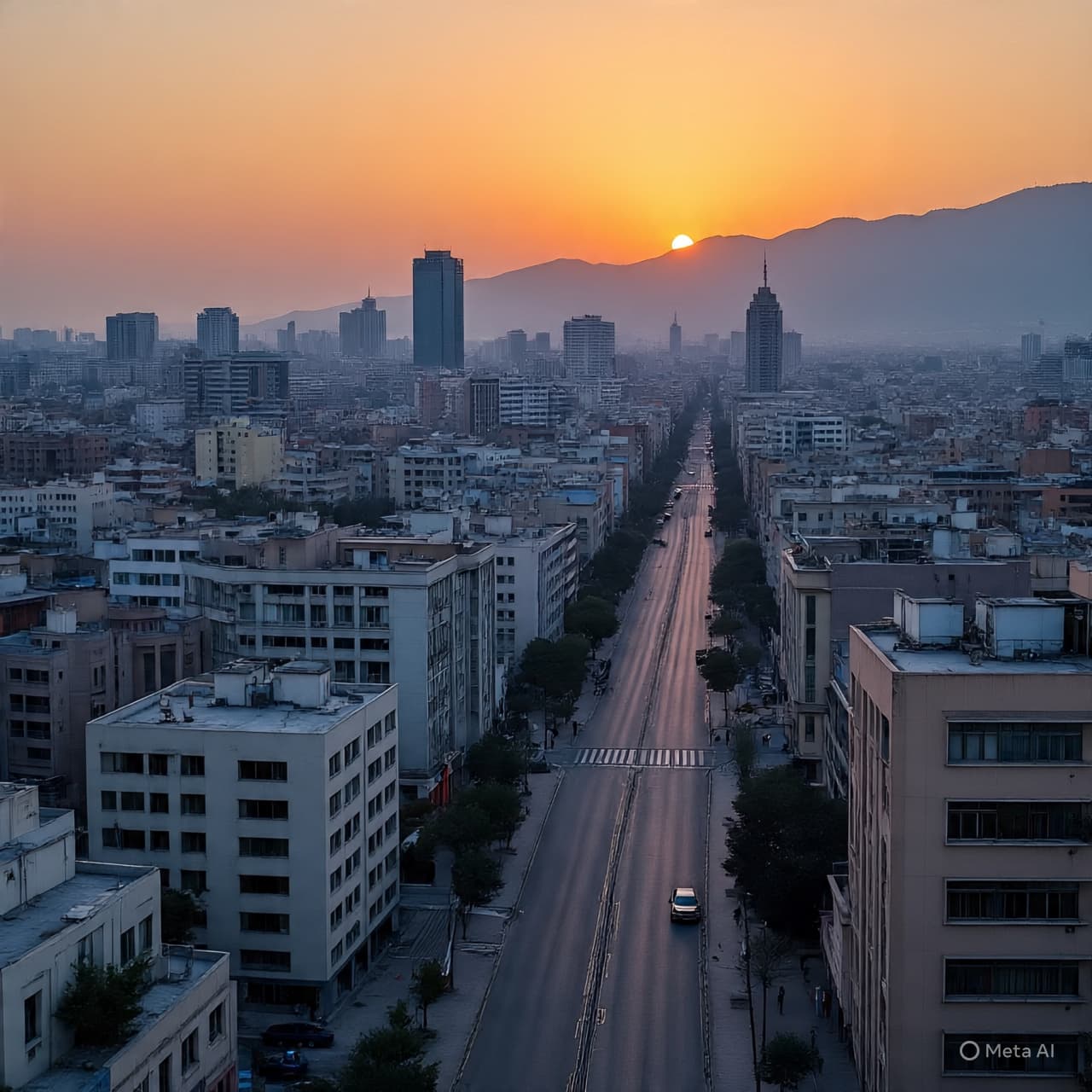
As the day drew to a close in Tehran, the city maintained its usual rhythm, with shops closing and traffic easing. For Mohammadi, the additional six years represent not just a number but a profound test of endurance. The ruling has settled into the legal record, leaving behind a lingering question about the limits of patience and the potential for silence to transform into something more profound.
The situation surrounding Narges Mohammadi is emblematic of the challenges faced by human rights defenders in Iran, where the intersection of law and repression continues to shape the lives of many. As her case unfolds, it serves as a reminder of the ongoing struggle for civil liberties and the resilience of those who dare to speak out against injustice.
Published by Banx Network. This article is part of the Banx decentralized media programme, powered by the BXE token on the XRP Ledger.



