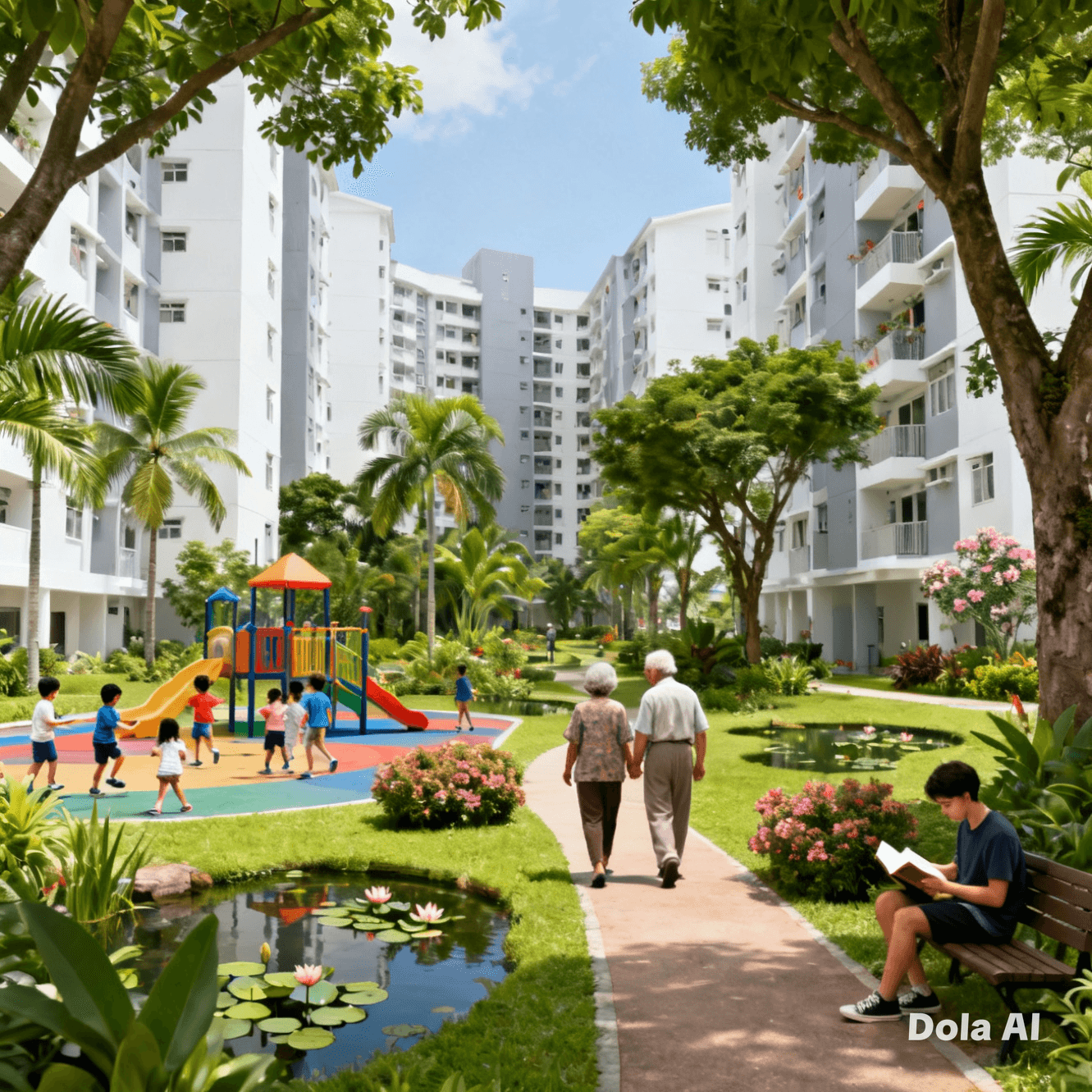
There’s a gentle irony in Singapore’s skyline: orderly high‑rise housing estates, clean streets and meticulously planned neighbourhoods tell the story of a nation that solved its housing challenges when others could not. For decades, the city‑state’s public housing model — led by the Housing & Development Board (HDB) — has been admired globally for creating a home for the people, turning once crowded kampongs into modern apartments where over 75% of citizens and permanent residents live, often in homes they own. Yet even the most lauded systems can reveal fissures as they mature, and today Singapore’s housing success is bumping against the limits of its own triumphs.
The roots of Singapore’s model run deep. From the formation of the HDB in 1960 to today’s network of more than one million flats, the policy’s premise was clear: provide affordable, high‑quality housing as a foundation for national stability and social cohesion. As a result, homeownership rates in public housing soar above 90%, making Singapore unique among high‑density global cities. While flats remain relatively affordable compared with private property — with resale values considerably lower than private condominiums — market forces have increasingly reshaped how these homes are viewed.
Affordability, once a defining feature, now poses new questions. Resale HDB prices have climbed steadily in recent years, with an increasing number of flats exchanging hands for sums many thought unimaginable when the system began. This “million‑dollar HDB” phenomenon reflects the tension between housing as a home and housing as an asset. Younger Singaporeans and first‑time buyers often find themselves squeezed by rising prices and prolonged waiting times for Build‑To‑Order (BTO) flats — the primary route to subsidised ownership — even as the resale market grows in prominence.
Underlying this tension are broader demographic and social shifts. Marriage‑dependent eligibility rules and long BTO wait times place pressure on younger adults seeking independence, while evolving family structures — including later marriages or single householders — stretch a housing framework originally designed for traditional families. Critics argue that the system’s equity mechanisms — such as income ceilings and lottery‑style allocation — need recalibration in light of changing life patterns and rising living costs.
Another structural challenge is the 99‑year lease on HDB flats. As older estates age, questions about their long‑term value and legacy have come to the fore, especially for those approaching the end of their leases. Policymakers are now wrestling with how to balance intergenerational fairness with sustainable property values — a debate that reaches into the heart of what public housing is for: shelter, security, or wealth accumulation.
There’s also the interplay with Singapore’s broader real‑estate market. Private housing — much pricier and subject to different forces — remains largely out of reach for many unless substantial equity from public housing is leveraged. This dynamic reinforces the dual‑market nature of Singapore’s housing economy, where public and private sectors dance a delicate waltz that can both stabilise and stratify.
Public sentiment reflects this complexity. Some Singaporeans see the HDB model as a social contract — a guarantee of shelter and belonging — while others increasingly view their flats as investments in a competitive property market. That tension has fuelled debates about what public housing should ultimately deliver: secure homes or a pathway to wealth.
In response, officials are adjusting policies. Efforts to ramp up supply, reassess eligibility criteria, and review resale controls aim to ease pressure and improve accessibility. For example, the government has been exploring changes to the minimum age for singles to buy BTO flats and considering ways to broaden eligibility, while pledging higher flat launches to meet demand.
Yet such reforms are inherently delicate. While increased supply may moderate prices in some segments, it cannot fully undo decades of appreciation or the social meanings attached to property ownership. Equally, tweaking eligibility rules touches on deep cultural expectations about family, stability and who gets priority in a tightly curated system.
Singapore’s model, once a blueprint for the world, now demonstrates a universal truth: public housing systems are living frameworks, not static achievements. They respond to economic and demographic forces that do not pause for past successes. The challenge today is not merely maintaining affordability, but adapting principles forged in one era to the realities of another.
In straightforward terms: Singapore’s public housing system, long hailed for high homeownership rates and relative affordability, is facing challenges from rising resale prices, changing demographics and structural limits such as 99‑year leases. Policymakers are considering reforms to eligibility and supply to maintain access and equity as the model evolves.
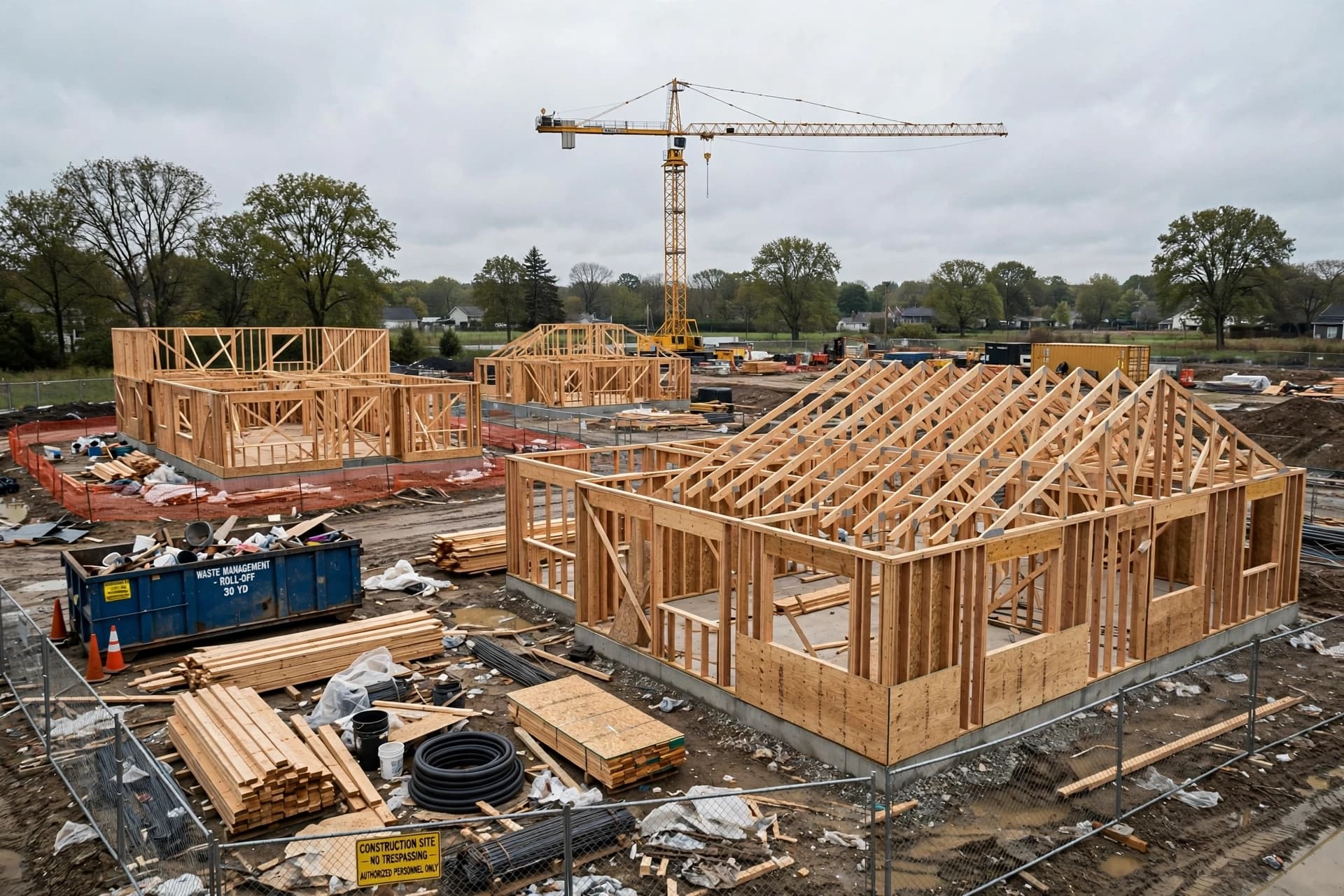
AI Image Disclaimer Visuals are AI‑generated and intended as conceptual depictions, not real photographs; meant for illustration only.
Sources : Financial Times Urban Land Institute report Maxthon Singapore housing data Government housing policy reviews
Published by Banx Network. This article is part of the Banx decentralized media programme, powered by the BXE token on the XRP Ledger.