Key Highlights
- Singapore's public housing model has been a global benchmark for affordable living.
- Over 75% of residents live in HDB flats, with homeownership rates exceeding 90%.
- Rising resale prices and demographic shifts challenge the sustainability of the housing system.
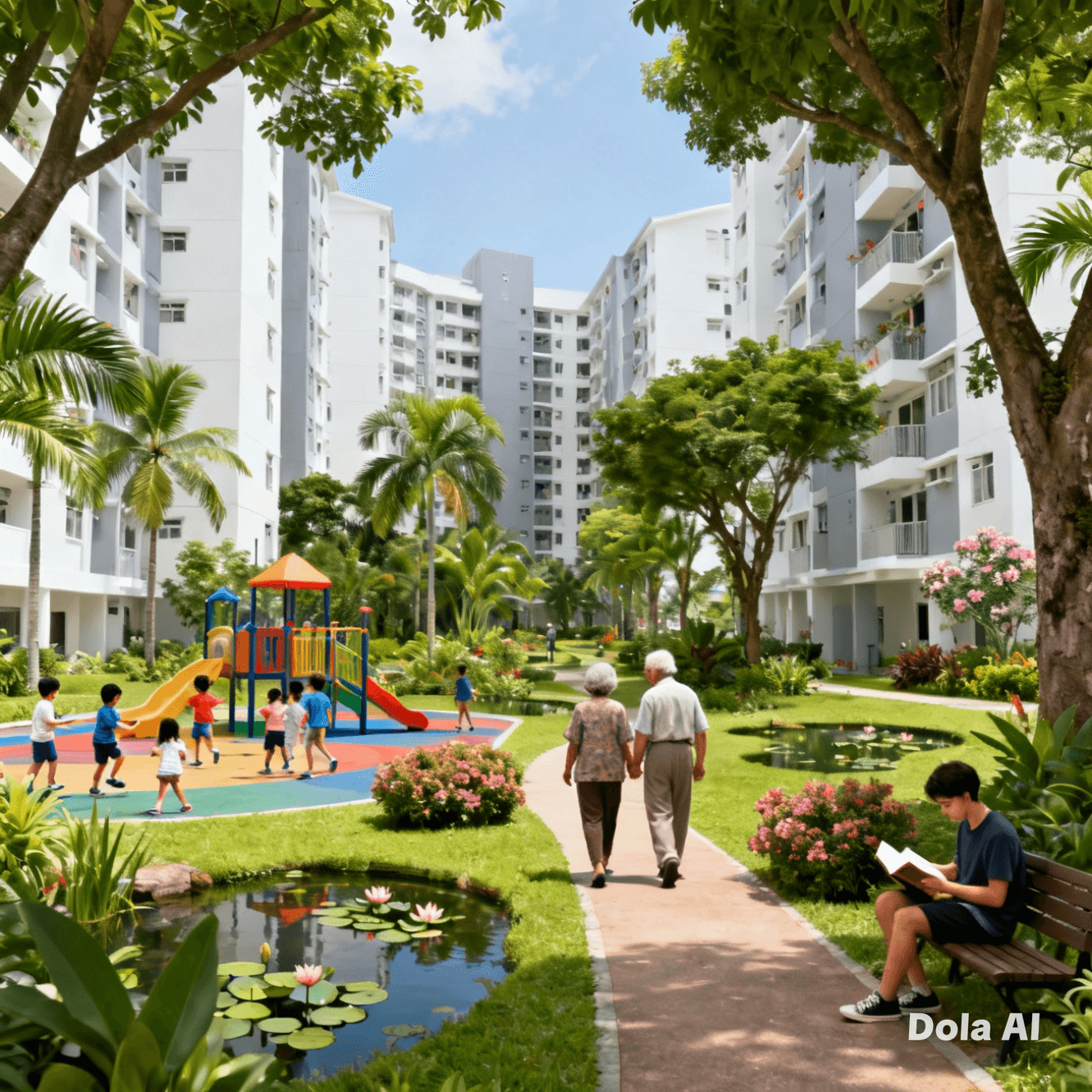
Singapore's skyline, marked by orderly high-rise housing estates and meticulously planned neighborhoods, reflects a nation that has successfully addressed its housing challenges. The Housing & Development Board (HDB) has been pivotal in this success, providing affordable housing to over 75% of citizens and permanent residents, many of whom own their homes. However, as the public housing model matures, it faces new challenges that threaten its foundational principles.
The HDB was established in 1960 with a clear mission: to provide affordable, high-quality housing to foster national stability and social cohesion. This initiative has resulted in homeownership rates in public housing soaring above 90%, making Singapore a unique case among high-density global cities. While HDB flats remain more affordable than private properties, recent market trends have begun to reshape perceptions of these homes.
Affordability, once a hallmark of the HDB model, is now under scrutiny. Resale prices for HDB flats have steadily increased, with some properties selling for over a million dollars, a phenomenon that has sparked debates about the dual role of housing as both a home and an asset. Younger Singaporeans and first-time buyers are increasingly feeling the pinch of rising prices and lengthy waiting times for Build-To-Order (BTO) flats, the primary avenue for subsidized ownership.
This tension is exacerbated by demographic shifts and evolving social norms. Eligibility rules tied to marriage and the long waiting periods for BTO flats create barriers for younger adults seeking independence. Additionally, changing family structures, including later marriages and single-person households, challenge a housing framework originally designed for traditional family units. Critics argue that the system's equity mechanisms, such as income ceilings and lottery-style allocations, require reevaluation to better reflect contemporary living patterns and rising living costs.
Another significant challenge lies in the 99-year lease on HDB flats. As older estates age, concerns about their long-term value and legacy have emerged, particularly for those nearing the end of their leases. Policymakers are now grappling with how to ensure intergenerational fairness while maintaining sustainable property values, raising fundamental questions about the purpose of public housing: is it merely shelter, a source of security, or a means of wealth accumulation?
The interplay between public and private housing markets adds another layer of complexity. Private housing, often significantly more expensive, remains out of reach for many unless they leverage equity from their public housing. This dynamic creates a dual-market system where the public and private sectors interact in ways that can both stabilize and stratify the housing landscape.
Public sentiment reflects this complexity. Many Singaporeans view the HDB model as a social contract, ensuring shelter and a sense of belonging. However, an increasing number see their flats as investments within a competitive property market. This shift has fueled ongoing debates about the ultimate purpose of public housing: should it provide secure homes or serve as a pathway to wealth?
In response to these challenges, government officials are adjusting policies. Initiatives to increase supply, reassess eligibility criteria, and review resale controls aim to alleviate pressure and enhance accessibility. For instance, the government is considering lowering the minimum age for singles to purchase BTO flats and pledging to launch more flats to meet demand.
However, these reforms are delicate. While increasing supply may help moderate prices in some segments, it cannot fully reverse decades of appreciation or the social meanings attached to property ownership. Additionally, modifying eligibility rules touches on deep cultural expectations regarding family, stability, and priority in a carefully curated system.
Singapore's housing model, once a global blueprint, now illustrates a universal truth: public housing systems are dynamic frameworks that must evolve to meet the changing needs of society. As the nation navigates these challenges, the future of its public housing will depend on balancing affordability, accessibility, and the diverse aspirations of its residents.
Published by Banx Network. This article is part of the Banx decentralized media programme, powered by the BXE token on the XRP Ledger.