

Winter lingers longer over factory towns than it does on postcards. In the industrial belts stretching from Guangdong to Hebei, assembly lines slow not only for weather but for tradition. Red lanterns fade from doorways, travel bags are unpacked, and only gradually does the mechanical rhythm resume.
February’s data suggests that rhythm returned more hesitantly than expected.
China’s official purchasing managers’ index, a closely watched gauge of manufacturing activity, slipped deeper into contraction territory last month. The downturn was sharper than many analysts had forecast, reflecting production pauses and worker absences tied to the Lunar New Year holiday. Seasonal distortions are not unusual at this time of year, yet the extent of the slowdown has drawn renewed attention to the fragility of momentum within the world’s second-largest economy.
The figures were released ahead of the annual session of the National People's Congress, where policymakers are expected to outline economic priorities for the year ahead. Manufacturing has long served as a pillar of China’s growth model, from export-driven assembly lines to increasingly sophisticated industrial clusters focused on electric vehicles, advanced machinery, and clean energy components.
But the environment has shifted. External demand remains uneven amid slower global growth, while domestic confidence—particularly in property and consumer spending—has shown signs of strain. A holiday-related dip in output might typically be viewed as transient. This year, however, it arrives against a backdrop of cautious business sentiment and persistent questions about the durability of recovery.
Sub-indexes within the PMI data pointed to softer new orders and continued pressure on smaller manufacturers. Employment components also remained subdued, underscoring concerns about job creation in industrial regions. Meanwhile, non-manufacturing indicators—covering services and construction—offered a somewhat steadier, though still modest, counterbalance.
Policymakers have already signaled an intent to support growth through targeted fiscal measures and selective monetary easing. Infrastructure investment, high-tech manufacturing incentives, and measures aimed at stabilizing the property sector have featured prominently in official communications. The coming days are likely to bring further clarity on how these tools will be deployed.
Seasonality complicates interpretation. Lunar New Year shifts between January and February, often distorting year-over-year comparisons and monthly momentum. Many migrant workers travel home for extended breaks, factories temporarily idle, and logistics networks thin before restarting. Analysts typically smooth these effects over multiple months to discern the underlying trend.
Yet the broader narrative remains one of recalibration. China is attempting to steer toward higher-value manufacturing and domestic demand while managing structural headwinds. A weaker-than-expected February reading does not define the year, but it reinforces the sense that recovery is uneven rather than assured.
As the holiday decorations are cleared and freight trains resume fuller schedules, the question is less about one month’s contraction and more about trajectory. The upcoming policy signals from Beijing may offer reassurance, or at least direction.
For now, the data sketches a quieter factory floor than economists had hoped for—one where the hum of machinery has not yet returned to full volume.
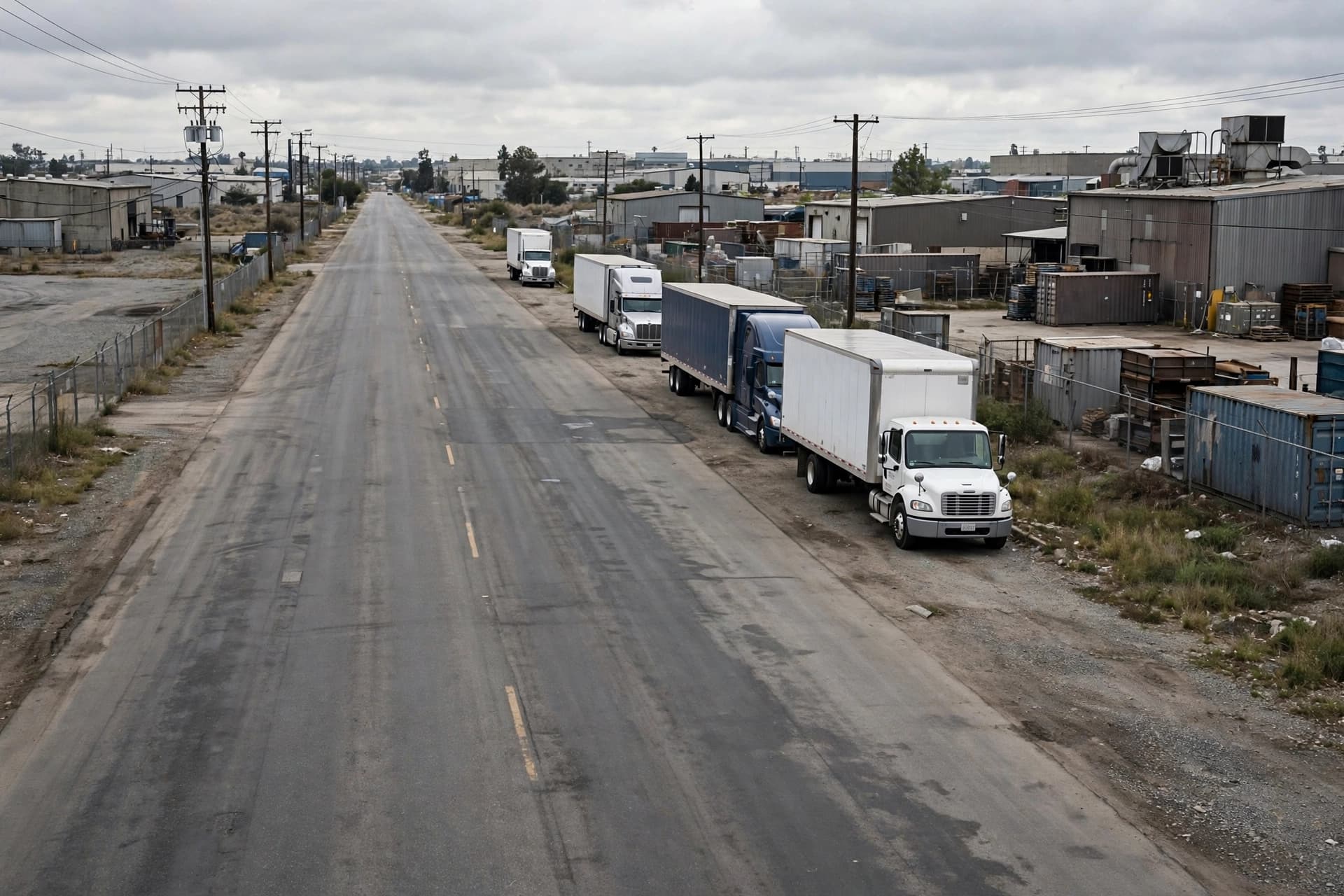
AI Image Disclaimer Visuals are AI-generated and serve as conceptual representations.
Published by Banx Network. This article is part of the Banx decentralized media programme, powered by the BXE token on the XRP Ledger.


.jpg&w=3840&q=75 "India Says First Phase of U.S. Trade Deal Is Nearly Done, Seeks Edge Over Rivals")