
Key Highlights
- Recent diplomatic invitation from the Communist Party of China (CPC) to the Kuomintang (KMT) chairperson.
- The invitation symbolizes a significant gesture in cross-strait relations.
- Observers note the timing and implications of the visit amid ongoing tensions.
In a significant diplomatic gesture, the leadership of the Communist Party of China (CPC) has extended an official invitation to the chairperson of the Kuomintang (KMT), signaling a potential thaw in cross-strait relations. This invitation, set against the backdrop of the Yangtze River, carries with it a weight of historical significance and strategic importance, reflecting the complexities of political interactions between Taiwan and mainland China.
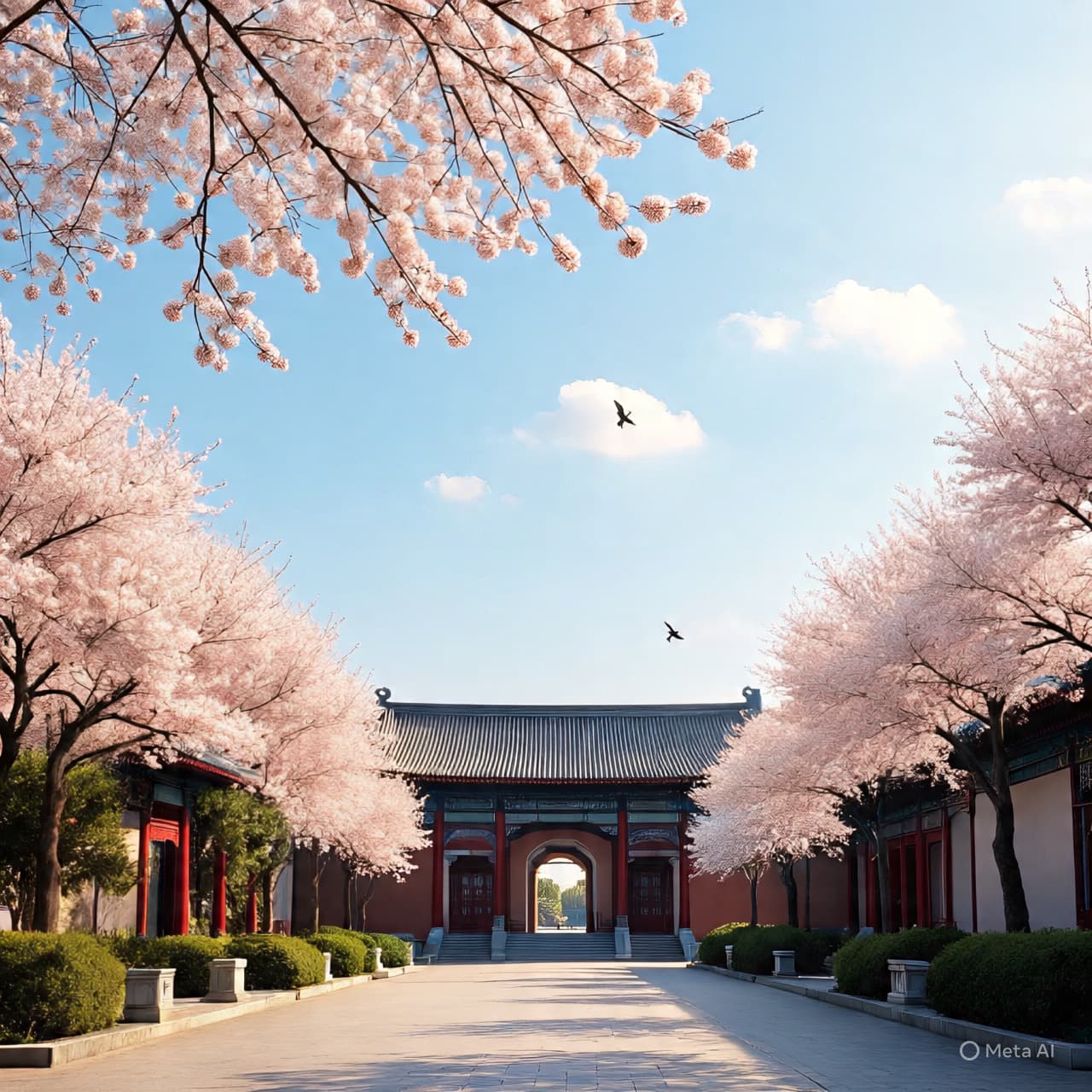
The invitation comes at a time when the CPC, under President Xi Jinping, is keen to promote dialogue and reflection on cross-strait relations. Observers have noted that the timing of this invitation is layered with meaning, as it evokes memories of past exchanges that have shaped the political landscape. Streets in Beijing, adorned with early spring blossoms, mirror the duality of openness and caution that characterizes the relationship between the two parties. Scholars and journalists alike are engaging in discussions about the implications of this visit, highlighting the delicate balance between hope for dialogue and the reality of longstanding tensions.
For the KMT chairperson, accepting this invitation represents a careful navigation of political currents. The act of attending such a meeting is laden with significance, as it conveys both recognition of the CPC's overture and a sense of responsibility towards domestic audiences. Political analysts in Taipei are actively debating the potential messages that could be communicated through this visit, considering how it might reassure or unsettle various stakeholders. The subtleties of diplomatic language and gestures are becoming increasingly important as both sides prepare for this encounter.
This invitation is not just a formality; it is emblematic of broader patterns in international diplomacy. Cross-strait relations have long been a focal point for global observers, where history, identity, and contemporary strategy intersect. Each handshake, corridor meeting, and public photograph contributes to a narrative that is closely monitored by capitals around the world. The invitation, while simple in its wording, embodies decades of context, including shared history and ideological divergence, as well as the ongoing desire to balance engagement with principle.
Locally, the atmosphere surrounding the invitation is contemplative rather than celebratory. Journalists are capturing the mood in the streets near government buildings, while analysts are parsing statements for hidden meanings. Ordinary citizens are also watching closely for signals that could indicate shifts in policy. This moment of reflection underscores how diplomatic gestures can resonate far beyond their immediate context, shaping discourse and perceptions across borders.
Historically, invitations between the CPC and KMT have been fraught with both promise and caution. Previous encounters have either eased tensions or highlighted differences, reminding observers that gestures alone cannot resolve deeper disagreements. However, these structured meetings do provide opportunities for dialogue and mutual understanding. For both the CPC and KMT, this invitation serves as a reminder of the importance of perception in diplomacy, illustrating how states communicate across ideological and geographical divides.
The implications of this visit extend into domestic politics as well. In Beijing, the CPC is framing the event as part of its broader narrative on unity and engagement, while maintaining its core positions. In Taiwan, the KMT is balancing internal expectations with external optics, navigating public opinion and electoral considerations. This interplay between local sentiment and international perception highlights the intricate choreography that defines modern diplomacy.
As the date of the visit approaches, both streets and meeting rooms will have absorbed weeks of careful preparation. The arrangements reflect a rhythm of anticipation that is neither rushed nor casual. As the sun sets over the Yangtze, the invitation stands as a poignant reminder of the historical resonance and potential for transformation inherent in cross-strait relations.
Published by Banx Network. This article is part of the Banx decentralized media programme, powered by the BXE token on the XRP Ledger.



