There are neighborhoods that feel almost like gardens at the heart of a city, where jacarandas spill color over quiet streets and the rhythm of life seems to move at a gentle pace, as if yesterday’s footsteps still echo. In Sydney’s affluent eastern suburbs, that garden-like charm has long been part of the story — a tapestry of sandstone terraces, boutique shops and homes watched over by bougainvillea and breeze. But autumn and winter pass alike, and now there is a new kind of breath stirring across these streets: the breath of change, drawn by talk of up to 10,000 new homes poised to rise where low-density comfort once reigned.
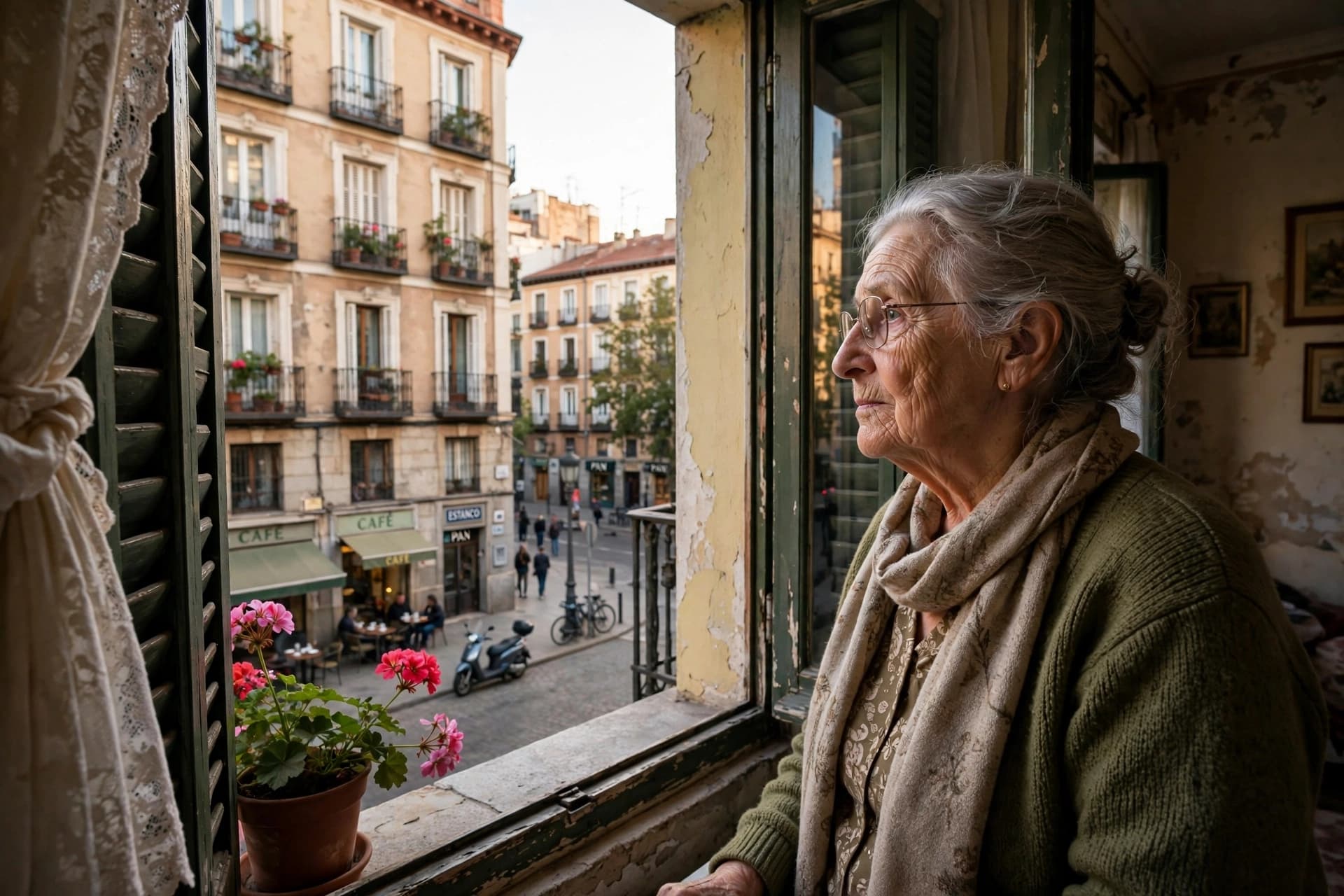
For decades, this part of Sydney — particularly Woollahra and nearby Edgecliff — has felt like a gentle refuge from the sprawling growth seen in outer suburbs. Its narrow lanes and heritage façades carry memories of block parties, children growing up shoulder-to-shoulder with neighbors, and the comfort of familiar faces at every turn. As one long-time resident reflected, it once felt “very cosy… like a village.” That sense of rootedness has made the prospect of dramatic change both striking and emotionally charged for locals.
The catalyst for this new chapter lies in wider discussions about housing supply in Greater Sydney’s still-tight market, where affordability has become a persistent concern and governments search for ways to unlock more homes close to jobs, transport and services. What until recently was seen as distant development — most often beyond the city’s inner rings — has now nudged right into the well-established eastern suburbs. The argument from planners and policymakers is gently pragmatic: these areas, already well served by infrastructure and public transport, could help shoulder some of the housing needs that have pushed people ever farther from the city’s core.
Yet for many residents, the proposal feels like uprooting a familiar rhythm. Years ago, community resistance played a role in blocking plans for an inner-suburban train station — a testament to how strongly local voices have long shaped the area’s evolution. Now, watching that same station’s revival linked to plans for thousands of new homes raises profound questions about identity, heritage and the very idea of home within well-heeled streets.
Critics have gently underscored concerns beyond mere opposition to change. Some academics and commentators have noted that simply building more dwellings, if they cater mostly to higher-end buyers, may still leave deeper affordability challenges unresolved. The fear, expressed in thoughtful public forums, is that new housing could reinforce status quo patterns rather than opening the doors wider to diverse populations who also wish to live near city hubs.
Meanwhile, other voices acknowledge the complexity of balancing growth and preservation. There is a soft recognition among both defenders and advocates that Sydney’s evolution will be shaped not by standstill but by dialogues — often difficult, sometimes heartfelt — between what was and what might be. In that conversation lie not just plans and blueprints, but the layered hopes and reflections of families, neighbors, elders and newcomers alike.
At present, the debate continues. Local councils, state officials and community voices are engaged in discussions as the proposal for up to 10,000 new homes unfolds against the backdrop of Sydney’s broader housing needs. What emerges from this chapter will be guided by planning decisions, public sentiment and the deep threads of history that connect people to place — and no matter the outcome, the story of these tree-lined avenues will carry the imprint of this moment.
AI Image Disclaimer (Rotated Wording) “Visuals are created with AI tools and are not real photographs.”
Sources
• Bloomberg News — Wealthy Sydney suburb housing debate.
• Bloomberg Newsletter — Sydney densification context.
• ABC News (Australia) — Planning battle over up to 10,000 homes.
• The Guardian (Australia) — Critical perspectives on housing plan.
• Daily Telegraph (Australia) — Resident opposition updates.
Published by Banx Network. This article is part of the Banx decentralized media programme, powered by the BXE token on the XRP Ledger.