In the rhythm of daily hospital life — the familiar hum of monitoring machines, footsteps in corridors, and quiet conversations between doctor and patient — there is an unspoken promise that care, compassion and continuity will hold firm. But beneath that surface, a growing tension has been building among the very physicians whose work forms the backbone of Scotland’s health service. In a historic development that signals both frustration and resolve, resident doctors in Scotland have voted overwhelmingly to embark on strike action in January 2026 — the first time such action has ever been taken in the country’s NHS.
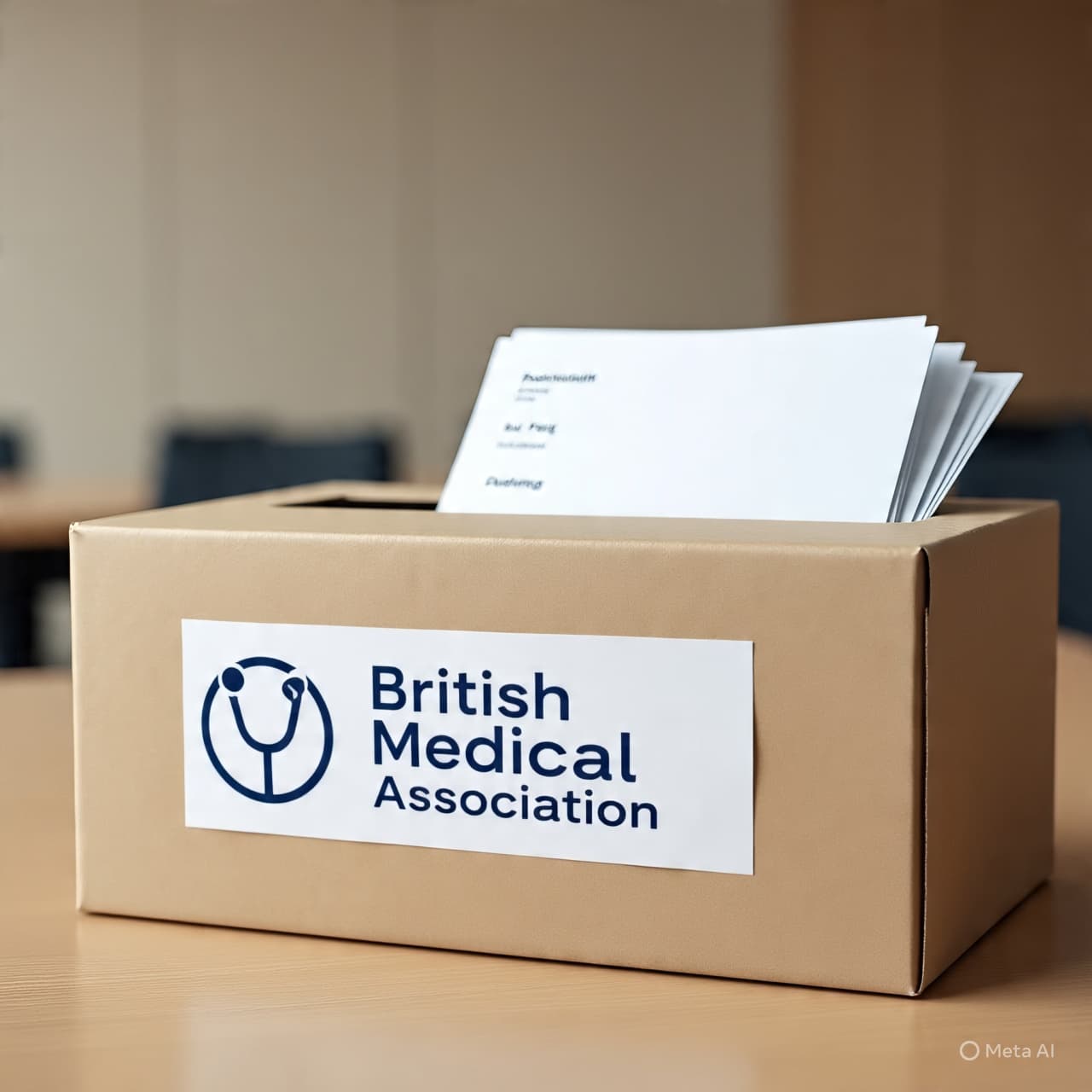
The ballot, conducted by the British Medical Association (BMA) Scotland, saw 92 per cent of those voting back industrial action, with a turnout just shy of 60 per cent of eligible doctors. These resident doctors — ranging from newly qualified physicians to those approaching a decade of service — stood united in response to what they describe as a broken commitment by the Scottish Government on pay progression, part of an agreement struck just two years ago.
Their strike is scheduled to begin at 7 am on Tuesday, 13 January, and continue for four days through to 7 am on Saturday, 17 January 2026, unless a breakthrough in negotiations is reached first. For many patients, carers and healthcare workers, this winter will bring a mix of anxiety and reflection: anxiety over possible disruption in already stretched services, and reflection on the pressures that have brought doctors to this point.
At the heart of the dispute is pay. In October, BMA Scotland described a government offer — a 4.25 per cent uplift for 2025/26 followed by 3.75 per cent for the following financial year — as “the lowest average award received by resident doctors anywhere in the UK”, and a back‑sliding from the spirit of the 2023 pay agreement. The union argues that the original deal had envisaged progressive steps toward restoring pay levels eroded over many years, and that the latest proposals fall short of restoring real‑terms pay or respecting earlier commitments.
For Health Secretary Neil Gray, the ballot result was a source of disappointment. He reiterated his willingness to meet union representatives to seek a “credible offer” that might avert industrial action — an invitation the BMA has said should be met with substance on pay, not mere gestures on scheduling or terms. Gray has pointed out that, by 2027, the cumulative pay rises agreed would total 35 per cent over recent years, arguing that this remains competitive. Yet for many resident doctors, the issue is not just about the year‑on‑year percentages but about parity, respect and the perceived stability of longstanding commitments.
Across Scotland, from the echoing stairwells of teaching hospitals to community health centres serving remote towns, the news of a strike has reverberated with a mix of sympathy, concern and weary understanding. Hospitals are already bracing for the approach of winter, a season when demand often peaks and pressures on the NHS mount. In response, services will be adjusted to ensure emergency and urgent care remain protected, a process known as a “derogation” to maintain critical functions even amid industrial action.
This impending strike — unprecedented in Scotland’s history for resident doctors — comes at a time when healthcare systems across the UK are navigating demographic pressures, workforce shortages and the lingering effects of pandemic‑era backlogs and respiratory disease surges. Within this wider context, the decision to take strike action reflects a deeper questioning of how public services must balance fiscal constraints with the need to retain skilled professionals whose livelihoods and morale are central to patient outcomes.
Supporters of the doctors point to their dedication under sustained pressure, often working long hours for pay that has lagged behind inflation and net earnings in other sectors. Critics, however, caution that industrial action by healthcare professionals — even for legitimate grievances — risks undermining public confidence and straining an already burdened system. The debate underscores the delicate line between advocacy for worker rights and the immediate needs of communities reliant on consistent medical care.
As Scotland heads toward this significant moment, one defined by ballots and ballots boxes, negotiation tables and potential picket lines, the broader questions remain: How do societies ensure that those who heal are themselves supported? What balance must be struck between campaigning for fair conditions and safeguarding the punctual delivery of care? And perhaps most poignantly, what does it take for a nation to listen when its healers themselves call for help?
AI Image Disclaimer “Illustrations were produced with AI and serve as conceptual depictions.”
Sources Resident doctors in Scotland vote to strike in January (ITV News) Resident doctors in Scotland set to strike for first time (LBC) Scotland’s first NHS strike: 92% vote to strike (upday News / Scotland’s resident doctors) Scottish news timeline for 2026 (Wikipedia) Public debate and political reaction (STV News)
Published by Banx Network. This article is part of the Banx decentralized media programme, powered by the BXE token on the XRP Ledger.