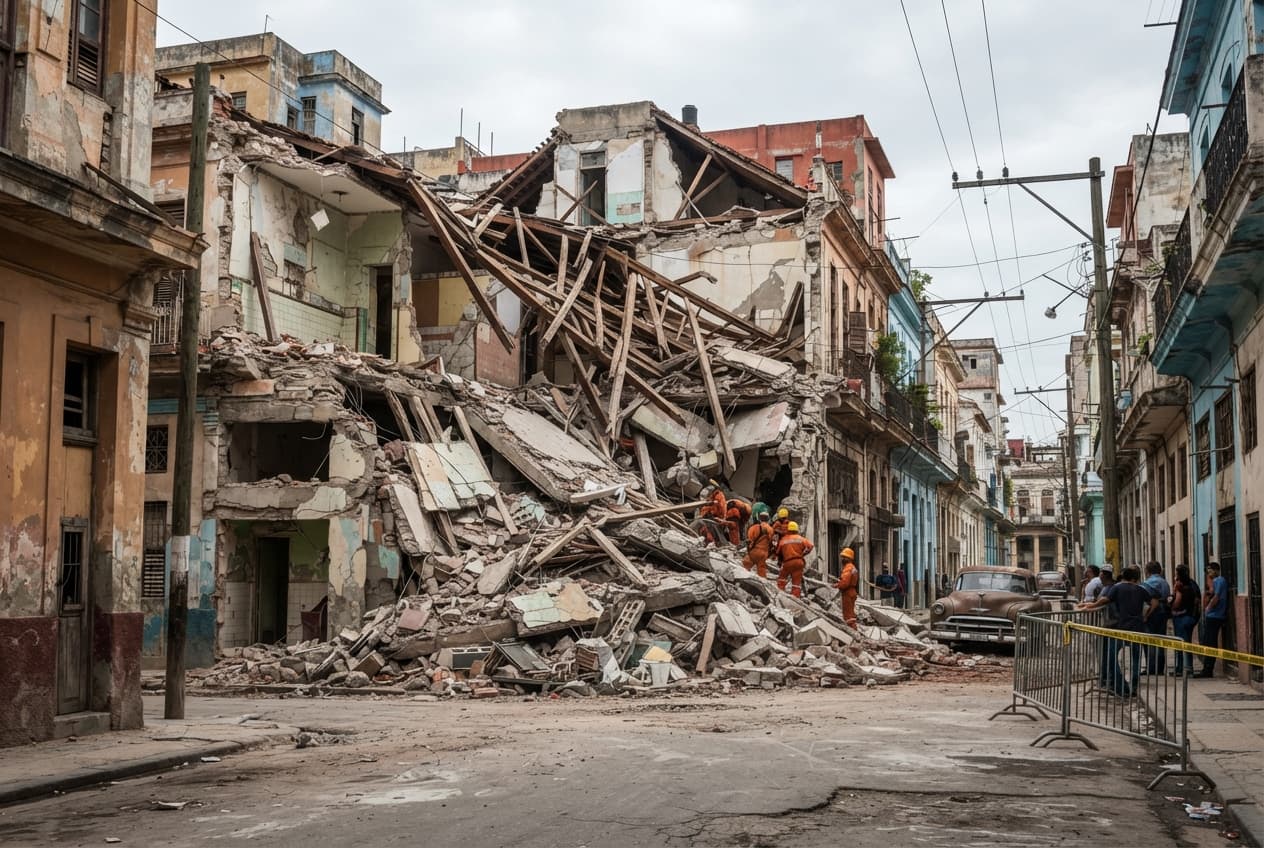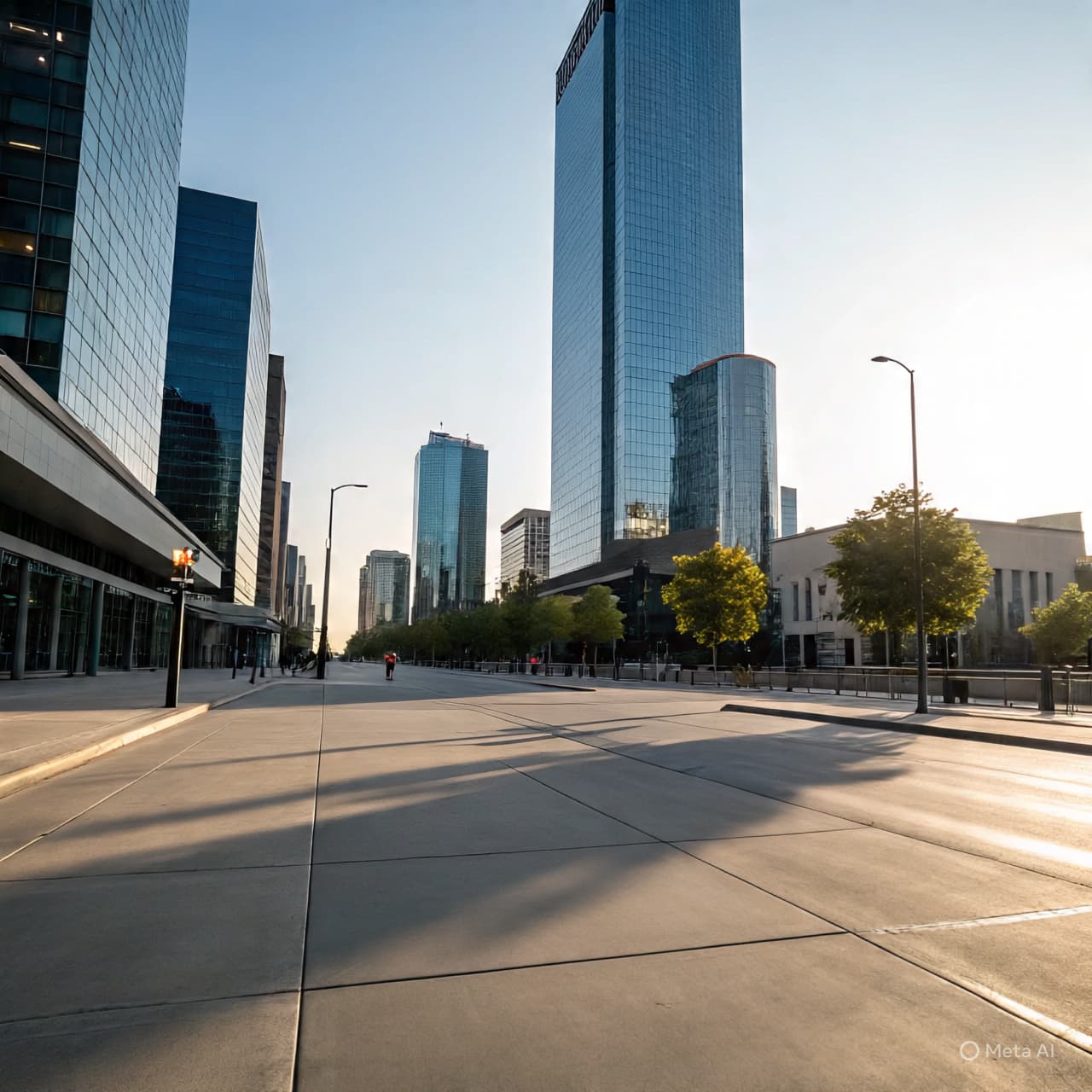
In the late afternoon light, a city can feel like a symphony that hasn’t quite found its final movement wind rustling through empty plazas, glassy towers catching the sun’s last gleam, and streets that hum softly rather than crescendo. This is the scene unfolding in downtown Dallas, a place where the wider city’s growth story feels robust and expansive, yet its historic core seems caught between past rhythms and future hopes.
Dallas the sprawling metropolitan heart of North Texas has been a magnet for businesses and new residents alike for years. Suburbs expand, rents climb, and economic indicators point to a thriving regional landscape of housing demand, jobs, and industry. But in the shaded canyons of downtown, where steel and concrete rise skyward, the tune feels different. Office buildings that once buzzed with weekday energy now register elevated vacancy rates, and large employers are reassessing their presence amid newer options and evolving work patterns.
To walk through downtown’s streets on a Tuesday afternoon is to feel this contrast palpably. In nearby neighborhoods like Uptown, gleaming towers, cafés, and retail draw crowds that reflect the city’s outward momentum. But here, many office floors sit quiet, and long corridors that once led to bustling boardrooms now echo with the subtler sounds of footfalls and distant conversations. Hybrid work trends and aging infrastructure have nudged tenants toward newer districts, leaving behind a mosaic of opportunity and challenge.
Yet the story is not solely one of retreat. Dallas’s urban heart is transforming in varied ways. Visionaries and developers are repurposing old office towers into homes, breathing a different kind of life into these towering shells, and responding to both lifestyle demand and creative reuse of space. This adaptive cadence is emblematic of how cities evolve, allowing the stillness of one era to make room for fresh rhythms in another.
Data from local boosters suggest downtown remains a cultural and social anchor, drawing millions to conventions, events, and entertainment venues each year a reminder that vibrancy need not be measured only in office occupancy. And while rent pressures and economic shifts reverberate across the broader metro, downtown’s role continues to be reimagined rather than forgotten.
In this nuanced stage, leaders are exploring strategies that blend increased safety, public investment, and mixed-use reinvention a tapestry of efforts that may yet harmonize the city’s core with its booming edges. As Dallas grows outward, the heart of the city seeks its own cadence, patiently unfolding a new chapter in its long urban story.
AI Image Disclaimer “Visuals are created with AI tools and are not real photographs.”
Sources:
1. Wall Street Journal 2. Dallas Morning News reporting (commercial real estate & downtown trends) 3. Texas Tribune / Dallas data on office-to-residential conversion 4. Downtown Dallas Inc. profile data 5. Texas Public Radio on regional economic/rent trends
Published by Banx Network. This article is part of the Banx decentralized media programme, powered by the BXE token on the XRP Ledger.