In the Netherlands, agriculture often appears almost impossibly orderly. Greenhouses stretch across the landscape, rows of crops follow precise lines and water moves through carefully managed systems. Beneath that familiar scenery, however, another layer is emerging: farms increasingly guided by sensors, algorithms and automated machines.
The Netherlands is one of the world's major agricultural exporters despite its relatively small land area. Its high-productivity farming sector has long depended on technology, and artificial intelligence is now becoming another tool for managing crops, water, energy and greenhouse conditions.
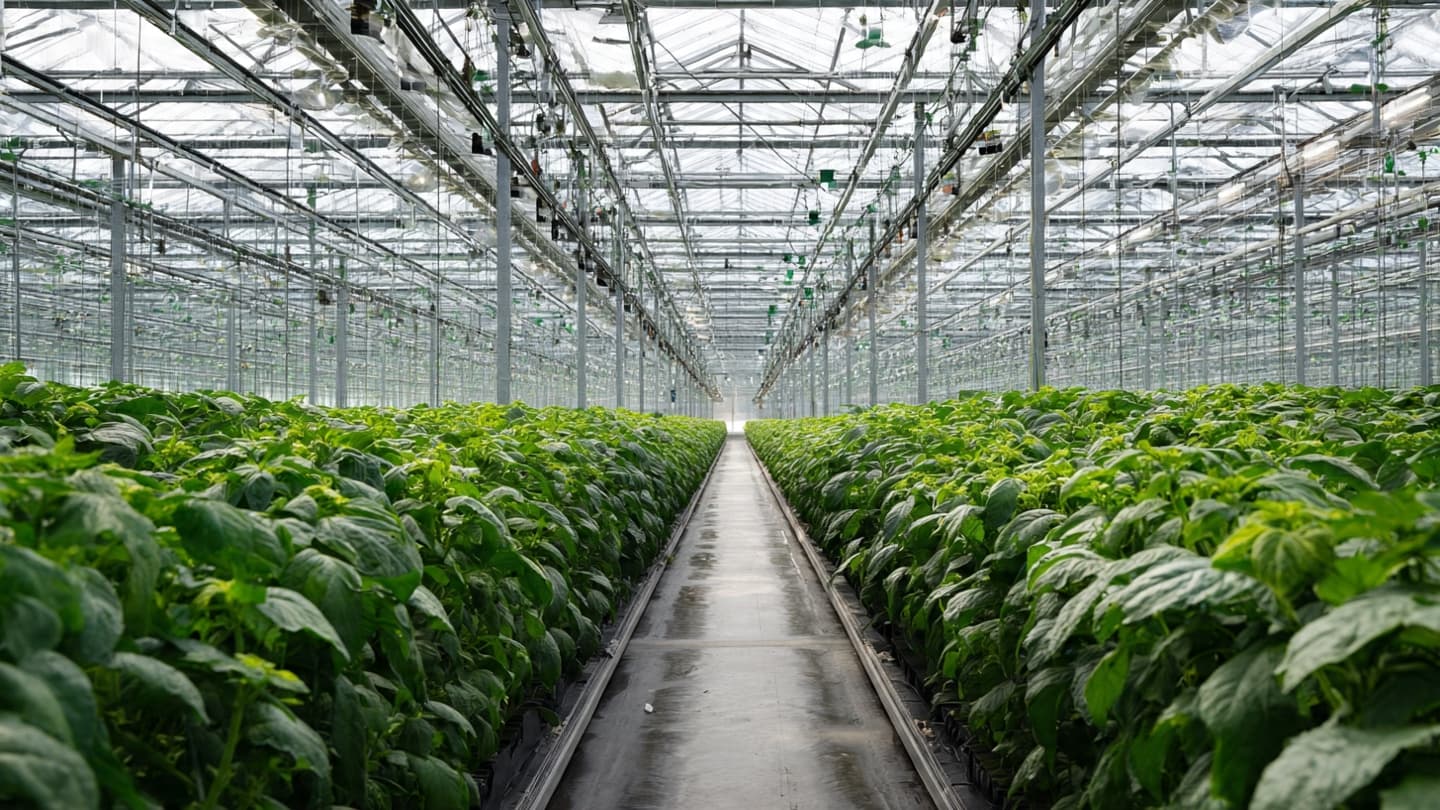
Inside modern greenhouses, sensors can continuously measure temperature, humidity, light levels and carbon dioxide. Computers use that information to help determine when plants need water or when environmental conditions should be adjusted.
The concept is simple but powerful. Instead of treating an entire greenhouse or field as one uniform space, technology can identify differences between individual plants or sections. Farmers can then apply resources more precisely, reducing unnecessary use of water, fertilizer or energy.
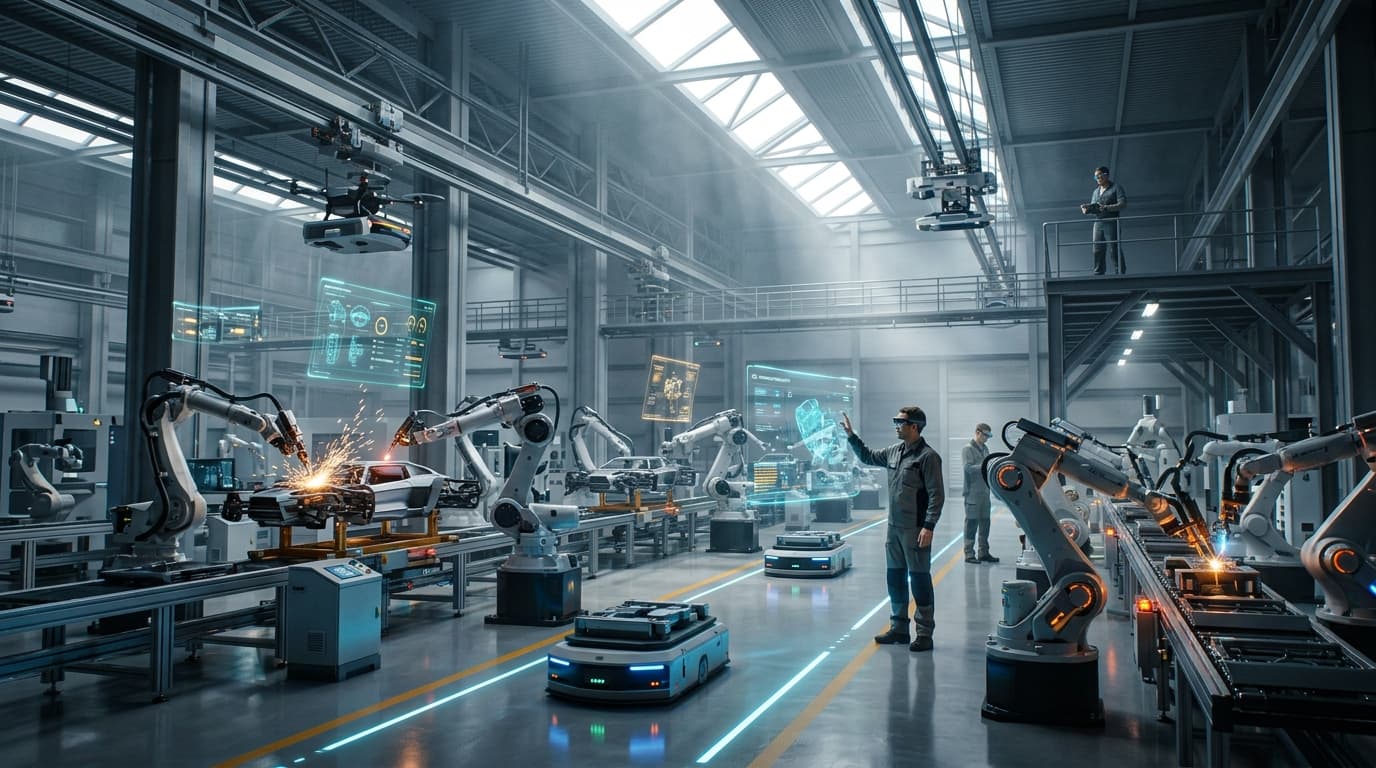
Robotics is becoming part of this system as well. Automated machines can assist with tasks such as harvesting, monitoring plant growth and moving products. These applications are particularly relevant as agricultural businesses face labor shortages and rising operational costs.
Artificial intelligence can also help identify plant diseases. Cameras and machine-learning systems can examine leaves and fruit for visual signs of stress, potentially allowing farmers to respond before a problem spreads widely.
The technology does not eliminate the role of farmers. Instead, it changes the information available to them. A grower who once relied heavily on experience and periodic inspection can now receive continuous measurements from thousands of points across a growing environment.
Energy efficiency has become another important concern. Dutch greenhouse agriculture can require significant heating and lighting, making energy prices a major business consideration. More precise control systems can help producers adjust conditions according to plant needs rather than maintaining fixed settings.
The Dutch model is being watched internationally because it combines intensive production with limited land availability. Countries facing population growth, water constraints or climate pressure may find lessons in the way Dutch growers integrate biological knowledge with engineering and digital systems.
The future of farming may therefore look less like a choice between nature and technology and more like a conversation between the two. In the Netherlands, that conversation is already taking place among plants, sensors and people, with algorithms quietly helping farmers decide when to water, when to harvest and how to use fewer resources.
SEO-friendly Slug netherlands-ai-smart-farming-agriculture-technology
Hashtags #Netherlands #Agriculture #AI #Technology #Science #Farming #Sustainability #Food
Image Disclaimer These images were generated with AI to illustrate smart-farming concepts and are not photographs of specific Dutch farms or agricultural facilities
Published by Banx Network. This article is part of the Banx decentralized media programme, powered by the BXE token on the XRP Ledger.