There is a peculiar stillness in a kitchen at early afternoon, sunlight drifting over countertops where frozen meals nestle quietly in upright freezers. Drawers open with a soft sigh, and the contents — familiar packets of fried rice, ramen, and dumplings — sit in orderly repose, awaiting the hum of a microwave or the hiss of a skillet. For millions of households, these meals are simple interludes in busy days, ordinary in appearance and promise.
Yet now that quiet has been interrupted by a notice that carries both weight and caution: a nationwide recall of frozen food products sold under several well‑known grocery brands has expanded dramatically, encompassing nearly 37 million pounds of food amid concerns that glass fragments may be present in the contents. The numbers — large, unwieldy, almost abstract — may stir a moment of reflection about how close we come to what we consume and how easily the ordinary can become uncertain.
The recall originated with Ajinomoto Foods North America, Inc., based in Portland, Oregon, which initially pulled more than three million pounds of frozen chicken fried rice sold at Trader Joe's stores after consumer complaints about glass in the product. Since then, the company has expanded that action to include a variety of frozen ready‑to‑eat and not‑ready‑to‑eat meals — from chicken and pork fried rice to ramen and shumai dumplings — sold under brand names such as Kroger, Ling Ling, Tai Pei, and Ajinomoto itself.
The breadth of the recall now stretches across products manufactured over an extended period, from late 2024 through early 2026, with best‑by dates spanning into mid‑2027. It reflects not only the widespread distribution of these commonly consumed foods but also the ripple effects of an ingredient supply chain that touches many markets and households. USDA inspectors and company investigators have traced the concern to a vegetable source — specifically carrots — as the likely avenue through which foreign glass material entered the production stream.
In quiet kitchens, the recall notice may feel like an uncanny reminder of how delicate the bridge is between what is bought and what is safe to eat. The packets in freezers — so often symbols of convenience — have become potential hazards in the way that unseen pieces of glass can lie dormant until a consumer encounter brings them to light.
Both retailers and Ajinomoto have emphasized that the recall is voluntary and precautionary. No injuries linked to the recalled products have been reported as of the latest updates, but officials urge consumers to either discard affected items or return them to the point of purchase for a refund. The USDA’s Food Safety and Inspection Service continues to advise checking freezers carefully against the list of recalled products, which includes multiple varieties of fried rice, ramen bowls, and dumplings distributed nationwide and, in some cases, exported to Canada and Mexico.
In practical terms, the recall now stands as one of the larger food safety actions in recent memory, a reminder of the layers of vigilance that surround even the most commonplace elements of daily life. As families empty their freezers of the affected meals, the message from regulators and manufacturers alike is measured but clear: prioritize caution, and address the unknown before it becomes familiar.
The U.S. Department of Agriculture’s Food Safety and Inspection Service has expanded a frozen food recall to nearly 37 million pounds of products, including items sold under Trader Joe’s, Kroger, Ling Ling, Tai Pei, and Ajinomoto brand names, due to possible glass contamination. Consumers are advised not to eat the recalled foods and to discard or return them for a refund. No injuries have been confirmed in connection with the recall.
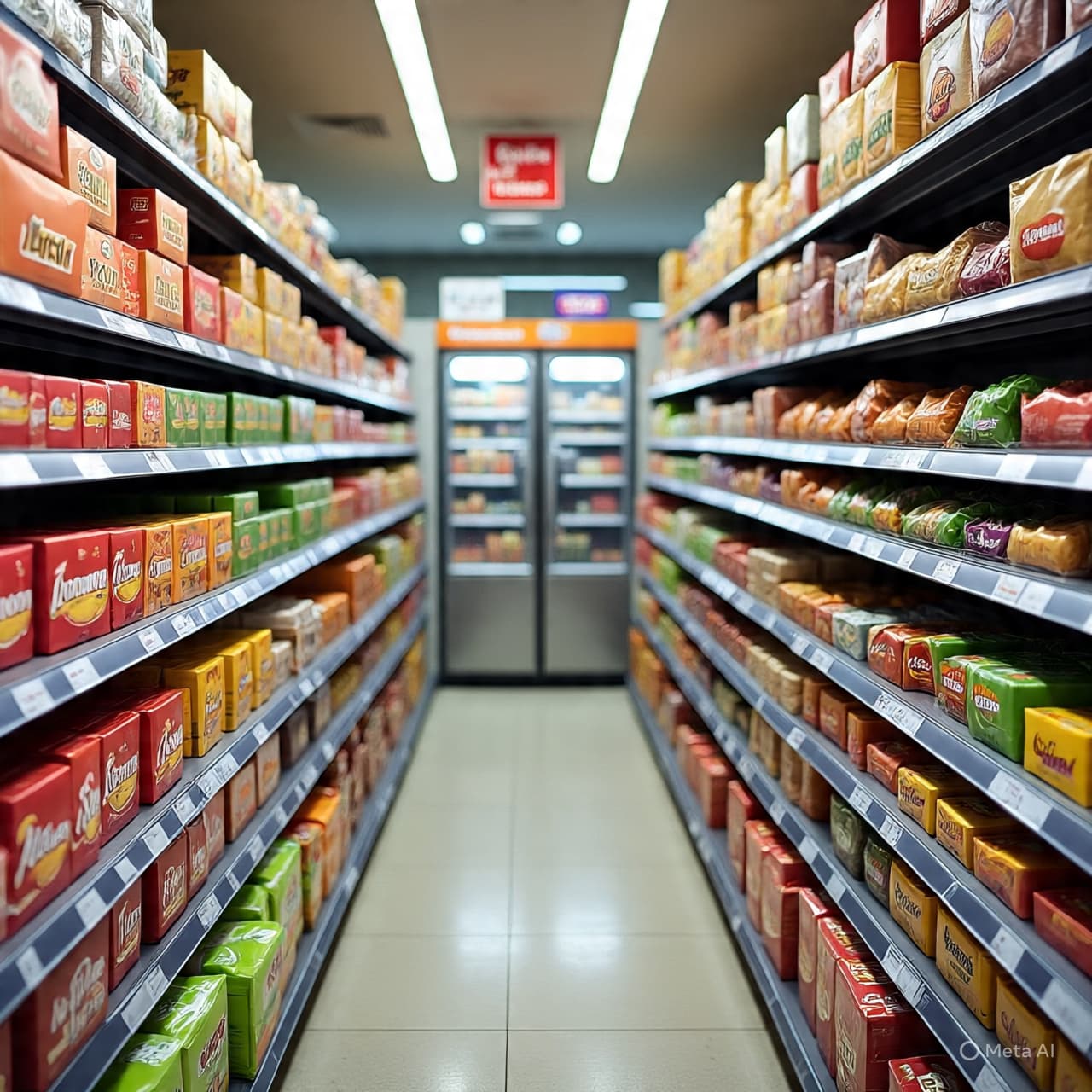
AI Image Disclaimer Visuals are AI-generated and serve as conceptual representations. Sources (Media Names Only) Reuters CBS News Fox Business The Washington Times Allrecipes
Published by Banx Network. This article is part of the Banx decentralized media programme, powered by the BXE token on the XRP Ledger.