

There was once a simple rhythm to entering the technology industry: learn to code, earn a qualification, find a first job and begin climbing. That rhythm is becoming less predictable. As artificial intelligence takes over more routine technical tasks, Singapore is trying to build another bridge between education and employment.
Nearly 2,000 technology roles and training opportunities have been opened for fresh graduates and mid-career workers seeking to upgrade their skills or change careers. The initiative brings together more than 20 companies and focuses on areas including artificial intelligence, cybersecurity, data and software.
The opportunities are part of an expanded Company-Led Training programme under the Infocomm Media Development Authority's TechSkills Accelerator initiative. Participating companies include Accenture, NCS and Microsoft, with available positions ranging from software engineering to security analysis and data science.
The timing is notable because AI is changing what employers expect from technology workers. Coding, once regarded as one of the clearest markers of technical ability, is increasingly supported by automated tools. The question is gradually shifting toward whether workers understand what needs to be built, why it matters and how it should function within a particular business or industry.
That shift has placed greater emphasis on judgment. Singapore's Minister for Digital Development and Information Josephine Teo said workers who combine AI skills with deep knowledge of their own field can become more effective and versatile. The idea is that technology knowledge alone may no longer be enough when machines can increasingly generate code, analysis and content.
The training opportunities are therefore designed around practical application rather than technology in isolation. Participants can learn to use AI to develop applications and integrate AI into enterprise systems in sectors such as finance, healthcare and logistics. That approach reflects a wider movement toward workers becoming fluent in AI without necessarily becoming AI specialists.
The challenge is especially visible for people entering the workforce for the first time. Fresh graduates may possess strong academic foundations but lack the practical experience employers want. Mid-career workers face a different difficulty: their existing experience remains valuable, but the tools and workflows surrounding their jobs can change faster than their formal qualifications.
Singapore is responding on several fronts. In addition to the 2,000 roles and training opportunities, around 11,000 legal professionals are expected to receive training in AI applications such as legal research and case analysis through new AI-focused courses.
The broader economic strategy is also moving toward sectors where Singapore already has established strengths. National AI initiatives are focused on advanced manufacturing, connectivity, finance and healthcare, sectors that collectively account for a substantial share of the country's economy and employment.
For workers, the changing landscape may ultimately make adaptability as important as the first qualification that opened the door. Singapore's latest training initiative does not remove the uncertainty created by AI, but it offers a practical response: more opportunities to learn, work and acquire experience while the technology continues to change the shape of the workplace.
SEO-friendly slug: singapore-2000-tech-jobs-ai-training-workers-upskilling
Hashtags: #Singapore #Technology #AI #Jobs #Employment #Upskilling #FutureOfWork
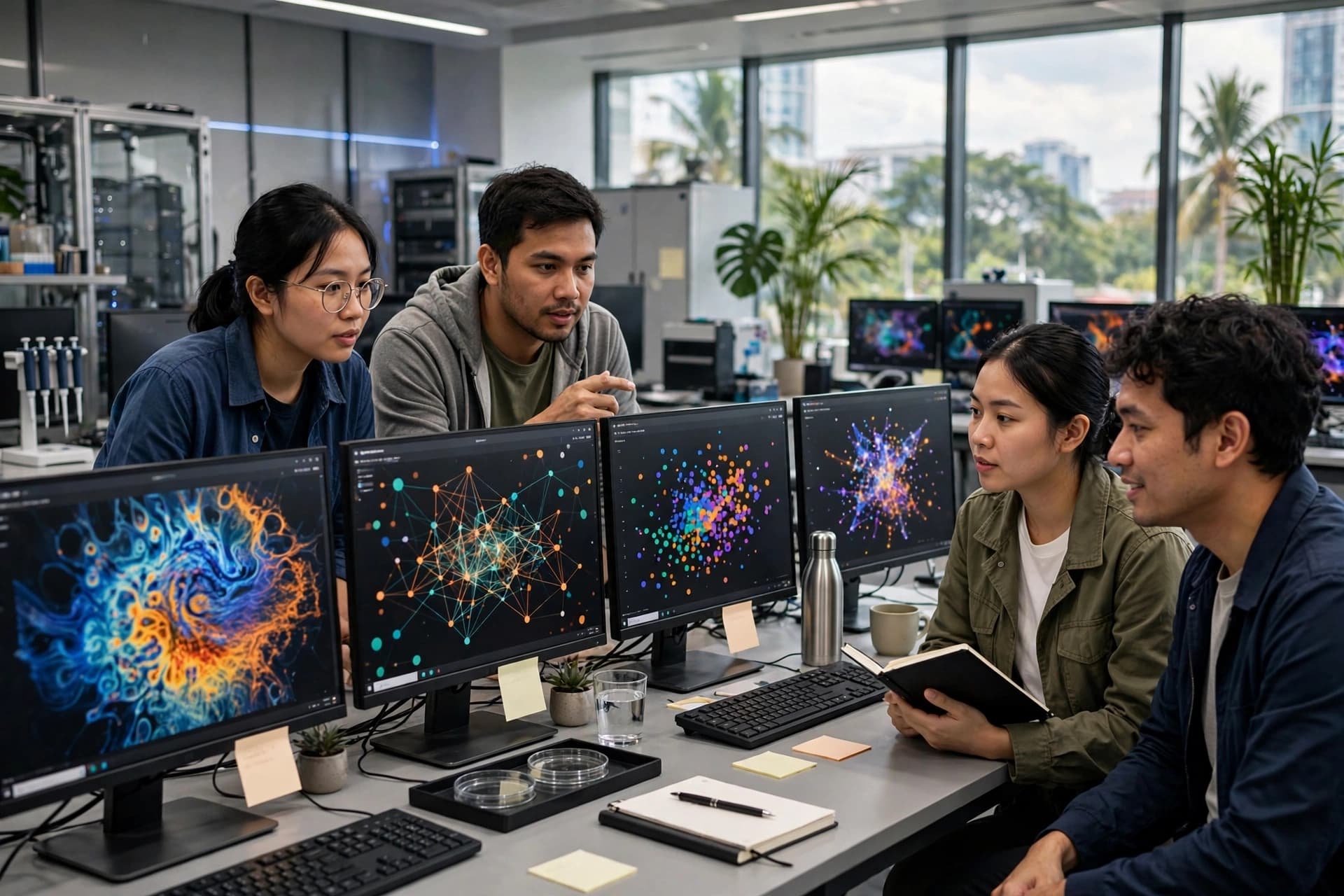
Image Disclaimer The accompanying images are AI-generated conceptual illustrations and do not depict actual job seekers, companies, or events.
Sources The Straits Times Infocomm Media Development Authority
Published by Banx Network. This article is part of the Banx decentralized media programme, powered by the BXE token on the XRP Ledger.


.jpg&w=3840&q=75 "The Artemis Revolution: How NASA Plans to Build Humanity's Future on the Moon")