Opening Sometimes, the rhythm of a football chant can echo against a wall of silence. As Mexico prepares to welcome the FIFA World Cup 2026, the country finds itself balancing two melodies: one of celebration, another of fear. The killing of Nemesio Oseguera Cervantes — a name that has long loomed over Mexico’s criminal underworld — was meant to symbolize the restoration of order. Yet in its aftermath, the echoes of violence resurface, challenging not only the nation’s sense of safety but also the global confidence in a peaceful tournament.
Body Football is more than sport in Mexico — it is ritual, culture, escape. Yet, recent waves of cartel retaliation — torching vehicles, sporadic shootouts, and blockades in cities like Guadalajara — remind the world that peace in this country remains fragile. Authorities have reassured the FIFA that host cities remain secure. Stadiums, they insist, will be fortresses of joy, untouched by the shadows of cartel retribution.
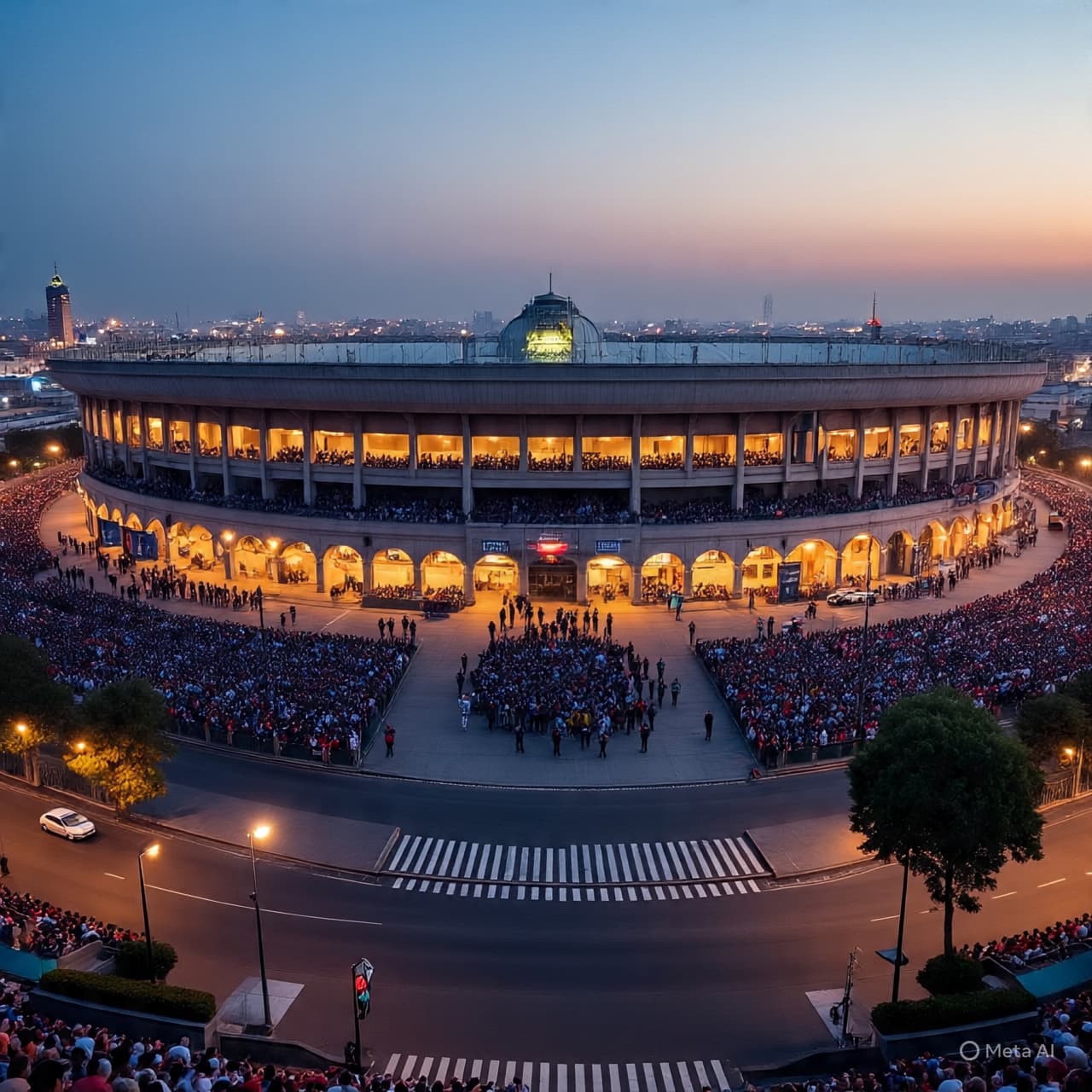
Still, the timing of this turmoil cuts close. The FIFA World Cup 2026 will see millions of fans cross borders, converging not just in Mexico but across North America. The world’s gaze will settle on stadiums like Estadio Azteca and Estadio Akron — regions not immune to organized crime’s reach. Security experts warn that while major cities will likely be safe, the broader context of instability could affect logistics, travel confidence, and perception — vital currencies for a global event.
For Mexican authorities, this is a test beyond football. It is about showing that the country’s wounds, however deep, do not define its identity. The image of armed convoys juxtaposed with the green pitch is one the government desperately wants to erase. But the memories of past violence linger, haunting Mexico’s attempt to host with pride and normalcy.
Meanwhile, communities continue their daily negotiations with reality — balancing optimism with caution. For every child dreaming of wearing a World Cup jersey, there is a family wondering if the roar of fireworks outside might be something else. It is in this delicate space that Mexico stands today — between hope and uncertainty, between the promise of global unity and the threat of local unrest.
Closing The story of Mexico and the 2026 World Cup will not be written only in goals or victories. It will also be measured in the calm of its streets, the confidence of its people, and the world’s willingness to see beauty in a country fighting to heal itself. Football may not erase fear, but perhaps, for a moment, it can remind Mexico — and all of us — that light still finds its way through smoke.
AI Image Disclaimer Visuals are created with AI tools and are not real photographs.
Sources Reuters Associated Press (AP) Al Jazeera The Guardian GB News
Published by Banx Network. This article is part of the Banx decentralized media programme, powered by the BXE token on the XRP Ledger.