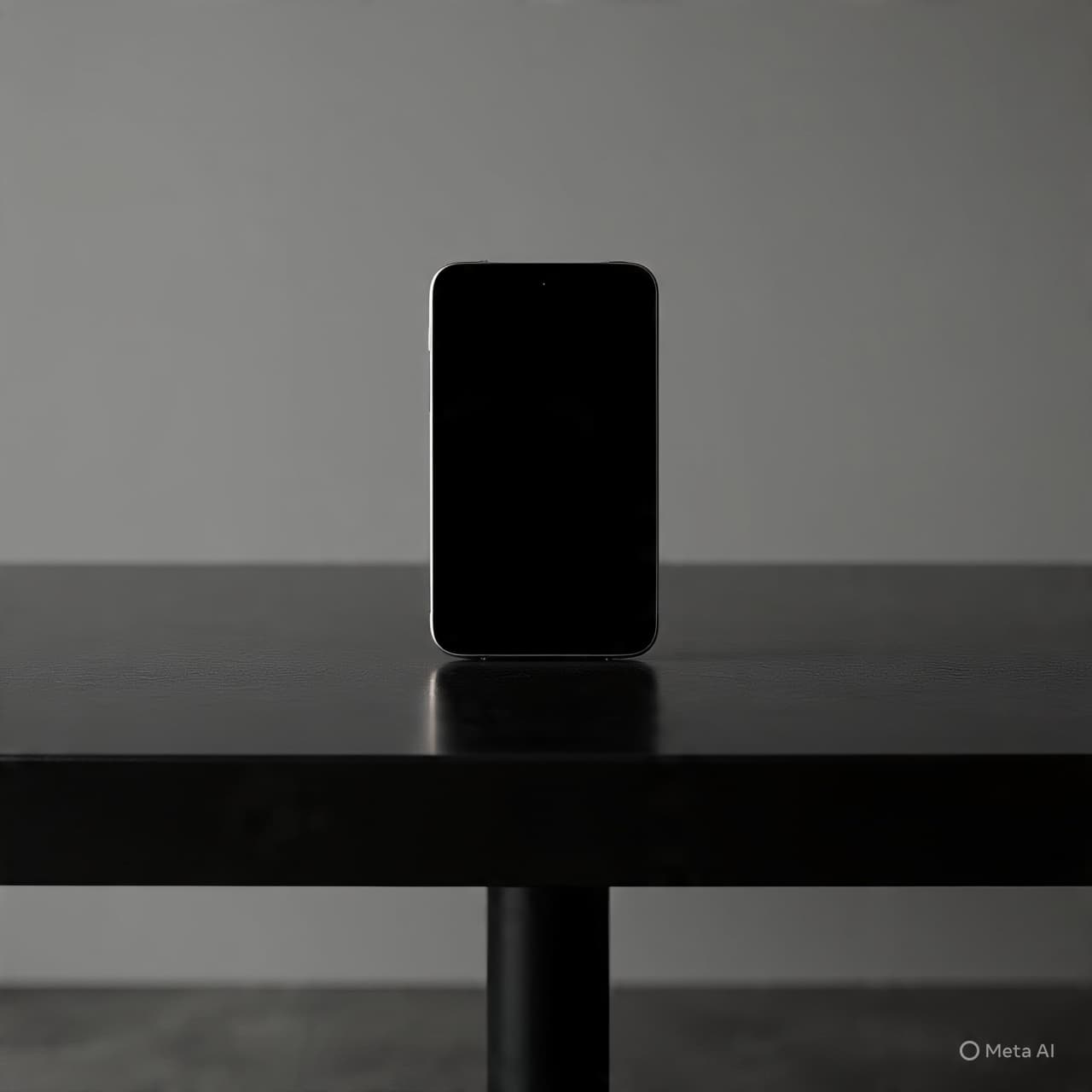
In technology, the most consequential shifts rarely announce themselves with noise. They arrive first as timing, as intention, as a line placed carefully into the future. Somewhere beyond the present cycle of updates and interfaces, a device waits not yet to be seen, but already to be anticipated.
OpenAI, best known for its work in artificial intelligence systems that live largely on screens and servers, has signaled that it plans to unveil its first physical device in the second half of 2026. The move marks a quiet but notable turning point: an organization built around software and models beginning to imagine intelligence as something with weight, edges, and presence in the everyday world.
Details remain deliberately sparse. There has been no product image, no specification sheet, no declaration of how the device might look or behave. What has emerged instead is a sense of direction. OpenAI has indicated that the project is being developed in collaboration with designers and engineers whose work has long shaped how people interact with technology, suggesting an ambition that extends beyond novelty toward integration into daily life.
For years, artificial intelligence has existed as a layer—something accessed through phones, laptops, and applications owned by others. A dedicated device would suggest a different relationship, one where AI is not merely a feature but the central experience. It raises questions about how people might speak to, rely on, or move alongside such a tool, and how much space it would occupy both physically and culturally.
The timing also matters. By placing the launch window in the latter half of 2026, OpenAI appears to be resisting the rapid-release tempo that defines much of the consumer tech industry. The delay implies testing, reconsideration, and perhaps an awareness that introducing a new category carries risks alongside promise. Hardware, unlike software, cannot be quietly patched once it enters the world.
This planned unveiling comes amid broader efforts by technology companies to rethink interfaces beyond the smartphone. Voice, gesture, ambient computing, and wearable forms have all been explored with mixed success. In that landscape, OpenAI’s entry is less a guarantee of disruption than an acknowledgment that artificial intelligence may be approaching a phase where embodiment matters.
For now, the device remains conceptual, a future object outlined only by intent and calendar. What is clear is that OpenAI is preparing to step beyond the abstract realm of models and into the tangible world of things. Whether that object becomes essential, experimental, or quietly instructive will depend on how well intelligence translates into form.
In plain terms, OpenAI has confirmed plans to introduce its first hardware device in the second half of 2026. The company has not disclosed specific features or design details, but the project represents its initial move into consumer hardware.
AI Image Disclaimer Visuals are AI-generated and serve as conceptual representations.
Sources (Media Names Only) Reuters Bloomberg The Wall Street Journal The Verge Financial Times
Published by Banx Network. This article is part of the Banx decentralized media programme, powered by the BXE token on the XRP Ledger.