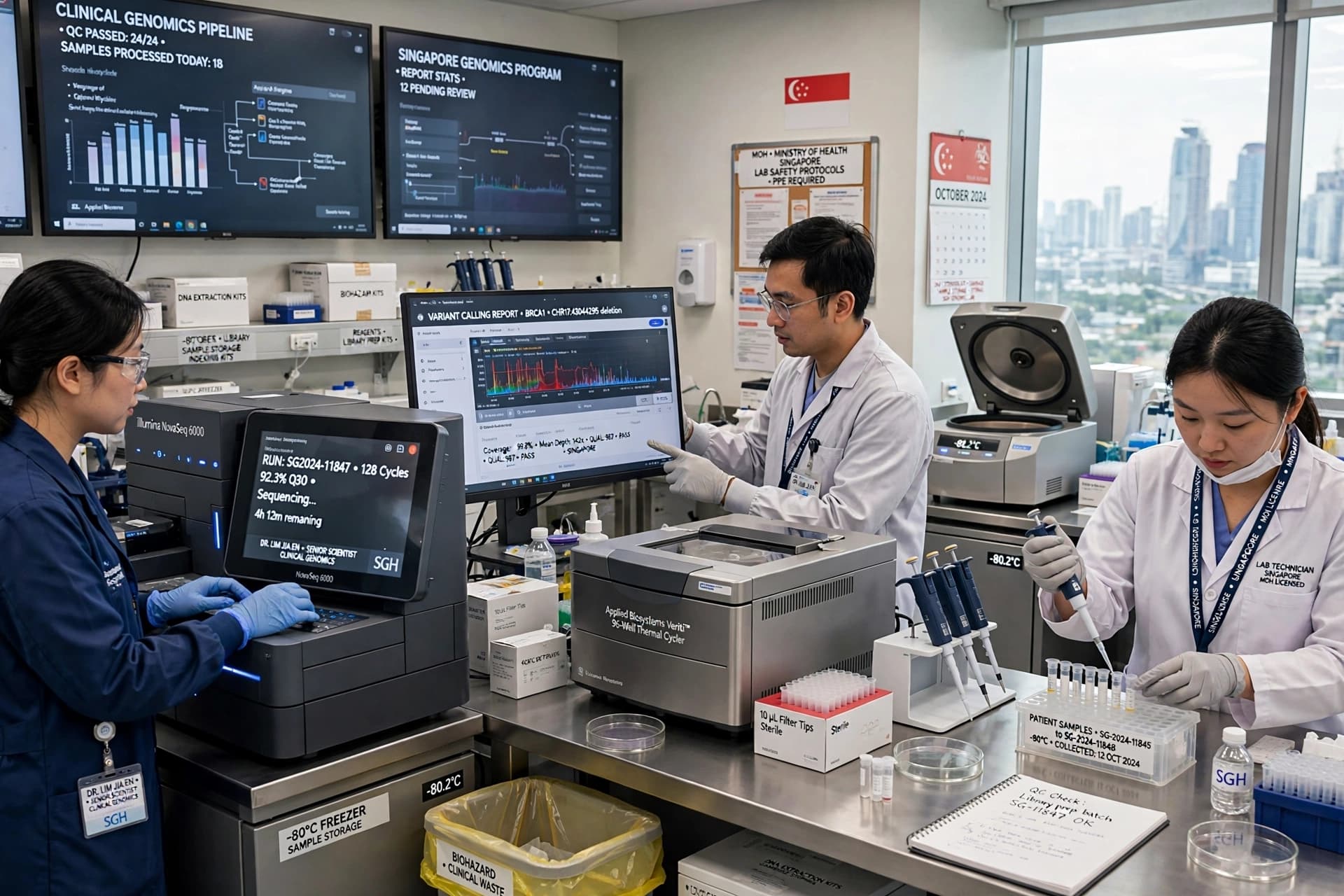
Inside a modern laboratory, a medical sample can carry information far beyond what is visible to the eye. A small specimen can become a map of molecular signals, genetic patterns, and biological details that help doctors understand disease in greater depth. In Singapore, that field is receiving another push as Mayo Clinic Laboratories expands its relationship with Pathology Asia and LifeStrands Genomics.
Mayo Clinic Laboratories and Pathology Asia Holdings have announced a strategic investment and collaboration aimed at expanding access to advanced diagnostics and precision medicine across Southeast Asia, Australia, and New Zealand. The announcement was made on September 23, 2026.
The financial value of the investment was not disclosed. Instead, the focus of the announcement was placed on the longer-term collaboration between Mayo Clinic Laboratories, Pathology Asia, and its genomics subsidiary, LifeStrands Genomics. The partnership brings together Mayo Clinic’s diagnostic expertise with Pathology Asia’s regional healthcare network.
Genomics sits at the center of the new collaboration. Through LifeStrands Genomics, the companies plan to expand access to molecular and genomic testing covering areas such as inherited conditions, disease-risk assessment, diagnosis, and treatment planning.
LifeStrands Genomics operates clinical genomics laboratories in Singapore and Australia, alongside DNA Laboratories. Its role in the partnership reflects the growing importance of genomic information in modern healthcare, where laboratory results can increasingly become part of a more individualized approach to diagnosis and treatment.
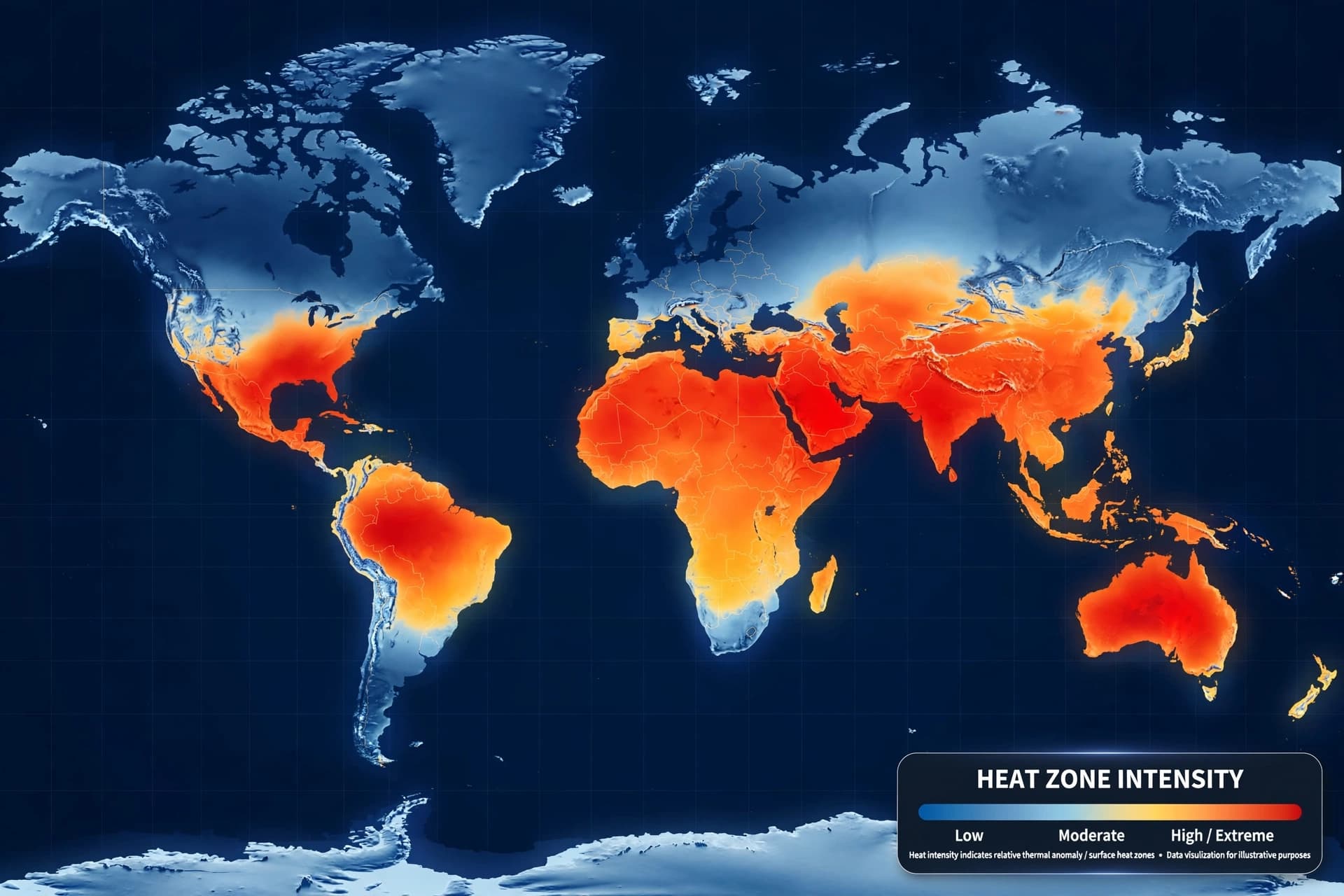
Pathology Asia already operates across several markets in the region, including Singapore, Malaysia, Indonesia, Thailand, Vietnam, the Philippines, and Australia. The investment therefore connects Mayo Clinic Laboratories with an established regional network rather than a single laboratory location.
For healthcare providers, regional laboratory networks can matter because advanced tests are not always available close to the patient. Samples may need to travel between facilities, while specialized expertise can remain concentrated in particular locations. A broader diagnostic network can potentially shorten some of those distances and connect healthcare providers with more specialized testing capabilities.
William Morice II, president and chief executive officer of Mayo Clinic Laboratories, has also been appointed Scientific Adviser to Pathology Asia. The appointment adds another layer to the collaboration between Mayo Clinic’s clinical laboratory expertise and Pathology Asia’s regional operations.
The investment arrives at a time when healthcare systems across Asia are increasingly incorporating molecular testing and genomic information into clinical practice. The technology does not replace physicians or conventional medical assessment, but it can provide another layer of information when clinicians evaluate complex conditions and possible treatment options.
For Singapore, the development adds another piece to its growing healthcare and biotechnology ecosystem. The city-state continues to serve as a regional base for laboratories, medical research, technology companies, and international healthcare organizations.
As the partnership develops, its significance will ultimately be measured not only by investment figures but also by how widely advanced diagnostic capabilities can reach patients and healthcare providers. For now, the agreement marks another step in connecting Singapore’s laboratory infrastructure with a broader regional movement toward more data-driven and precision-oriented healthcare.
Image Disclaimer:
The accompanying visuals are AI-generated conceptual illustrations and are not real photographs of the laboratories, facilities, or activities described.
Sources:
Mayo Clinic Laboratories PR Newswire TechNode Global Pathology Asia
Published by Banx Network. This article is part of the Banx decentralized media programme, powered by the BXE token on the XRP Ledger.