
Key Highlights
- Focus on Functional Traits:Modern cattle breeding emphasizes traits that enhance resilience and productivity.
- Genetic Evaluations:Advanced technologies allow tracking of multiple performance metrics in cattle.
- Economic Sustainability:Efficient cattle reduce veterinary costs and improve farm sustainability.
[The Shift Towards Functional Cattle]
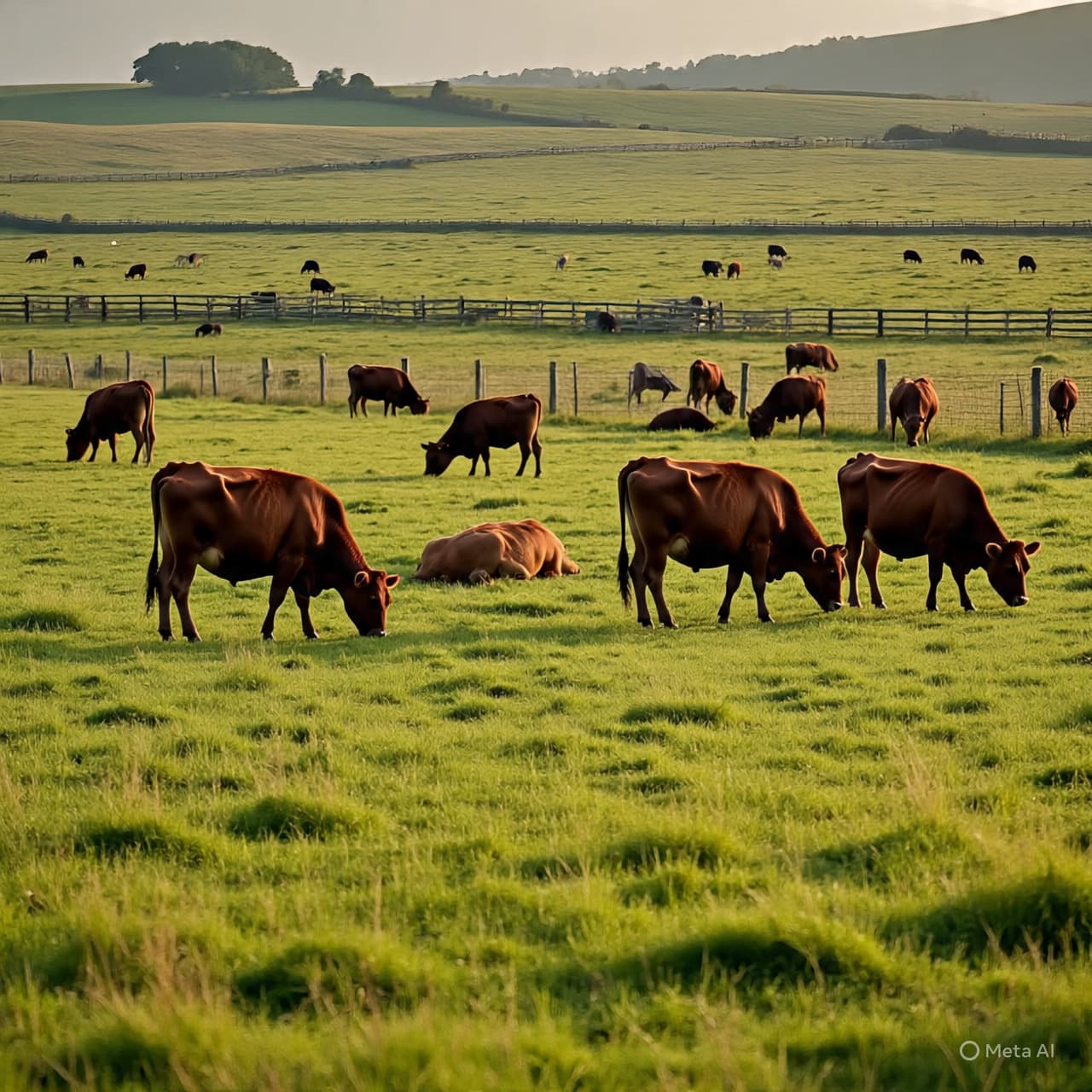
In the quiet rhythm of rural landscapes, livestock breeding often unfolds like a long conversation between nature and human patience. Each generation of cattle carries with it small decisions made years earlier—choices about resilience, temperament, productivity, and survival under open skies. Over time, these decisions shape herds that must do more than simply look impressive on paper; they must live and perform in the real world.
This philosophy has increasingly guided discussions in modern cattle breeding. Farmers and livestock specialists are placing growing emphasis on what many describe as “functional cattle”—animals bred not only for appearance or isolated performance traits but for balanced abilities that match real farm conditions. The focus is shifting towards breeding cattle that can thrive in their environments, rather than just those that excel in show rings.
Across many livestock-producing regions, producers have found that cattle raised under practical conditions often need a combination of traits that extend beyond traditional show-ring standards. Fertility, structural soundness, feed efficiency, and adaptability to local climates frequently rise to the top of breeding priorities. This shift reflects a broader understanding of the challenges faced by modern farmers, including climate variability and market demands.
The idea of functional cattle is not entirely new. For generations, farmers have quietly selected animals that thrive on pasture, raise healthy calves, and maintain productivity over long lifespans. Yet modern breeding technologies, combined with detailed performance records, have refined how these decisions are made. Today, genetic evaluations, herd data, and digital monitoring tools allow producers to track a wide range of traits. These include reproductive performance, weight gain efficiency, maternal ability, and resistance to environmental stress. Rather than focusing on a single metric, many breeding programs now attempt to balance several characteristics simultaneously.
For ranchers operating in challenging environments—where drought, heat, or limited grazing may affect livestock performance—the emphasis on functional traits becomes especially important. Cattle must be able to convert available forage into growth and reproduction without requiring excessive inputs. Livestock specialists often describe this approach as breeding cattle “for the environment they live in.” In practical terms, this means selecting animals that can walk long distances for pasture, calve without difficulty, maintain body condition during seasonal fluctuations, and remain productive over many years.
Economic considerations also shape these breeding strategies. Efficient animals that require fewer veterinary interventions or less supplemental feeding can help producers maintain sustainable operations. In many cases, long-term productivity becomes more valuable than short bursts of performance. Another aspect of functional breeding lies in maternal efficiency. Strong mothering ability, reliable fertility, and healthy calf development are widely considered cornerstones of profitable cattle operations. Producers frequently evaluate these characteristics carefully when selecting breeding stock.
As agricultural systems evolve, the conversation around livestock breeding continues to shift toward practicality and resilience. Climate variability, changing market conditions, and growing global demand for food all influence how farmers think about herd genetics. Yet at its heart, the philosophy remains simple. Functional cattle are those that quietly do their job well—animals that fit their environment, support the farm’s long-term goals, and contribute steadily to sustainable food production.
In many ways, the future of livestock breeding may lie not in dramatic transformations but in thoughtful refinement. By focusing on balance rather than extremes, producers hope to shape herds that remain productive, adaptable, and resilient in the face of changing agricultural landscapes. For farmers and ranchers around the world, the effort continues one calf at a time, each generation carrying forward the quiet work of selecting animals built for the realities of the field.
Published by Banx Network. This article is part of the Banx decentralized media programme, powered by the BXE token on the XRP Ledger.



