
Key Highlights
- Rafah crossing reopening:Israel has agreed to a limited reopening of the Rafah crossing, pending ongoing operations to locate hostages.
- Humanitarian implications:The crossing serves as a vital conduit for families and essential supplies, reflecting the urgent needs of Gaza's residents.
- Ongoing tensions:The reopening is a cautious step amidst a backdrop of geopolitical complexities and humanitarian crises.
The Rafah crossing, located at the southern edge of Gaza, has long been a symbol of both hope and despair. Recently, Israel has agreed to a limited reopening of this crucial passage, pending the completion of operations aimed at locating hostages. This decision reflects a delicate balance between security concerns and the pressing humanitarian needs of the local population.
For many residents, the Rafah crossing is more than just a checkpoint; it represents a lifeline to the outside world. Families separated by conflict, individuals in need of medical supplies, and humanitarian aid workers all rely on this crossing to facilitate movement and access to essential resources. The reopening, though limited, offers a glimmer of hope for those who have been navigating uncertainty and waiting for the opportunity to reconnect with loved ones or receive necessary aid.
The broader context surrounding the Rafah crossing is one of tension and vigilance. As operations to locate hostages continue, each decision regarding movement and access carries significant implications. The careful management of the crossing underscores the human stakes involved in these geopolitical deliberations. For residents, the crossing is not merely a physical barrier but a representation of their daily struggles and aspirations for normalcy.
Despite the ongoing conflict, the reopening of the Rafah crossing sends a subtle yet powerful message: avenues for life, aid, and compassion can persist even in the most challenging circumstances. It serves as a reminder that, like rivers carving paths through rock, negotiated openings can sustain hope and continuity. As individuals cross into or out of Gaza, they do so with an awareness of the complexities surrounding their movement, yet buoyed by the recognition that progress, however limited, is possible.
As the Rafah gates adjust to this new reality, observers note the fragility of the situation. The reopening is not an endpoint but rather a cautious step forward, highlighting the intersection of human needs and strategic considerations. Patience, vigilance, and hope often coexist in the quiet spaces of border crossings, where the stories of countless individuals unfold.
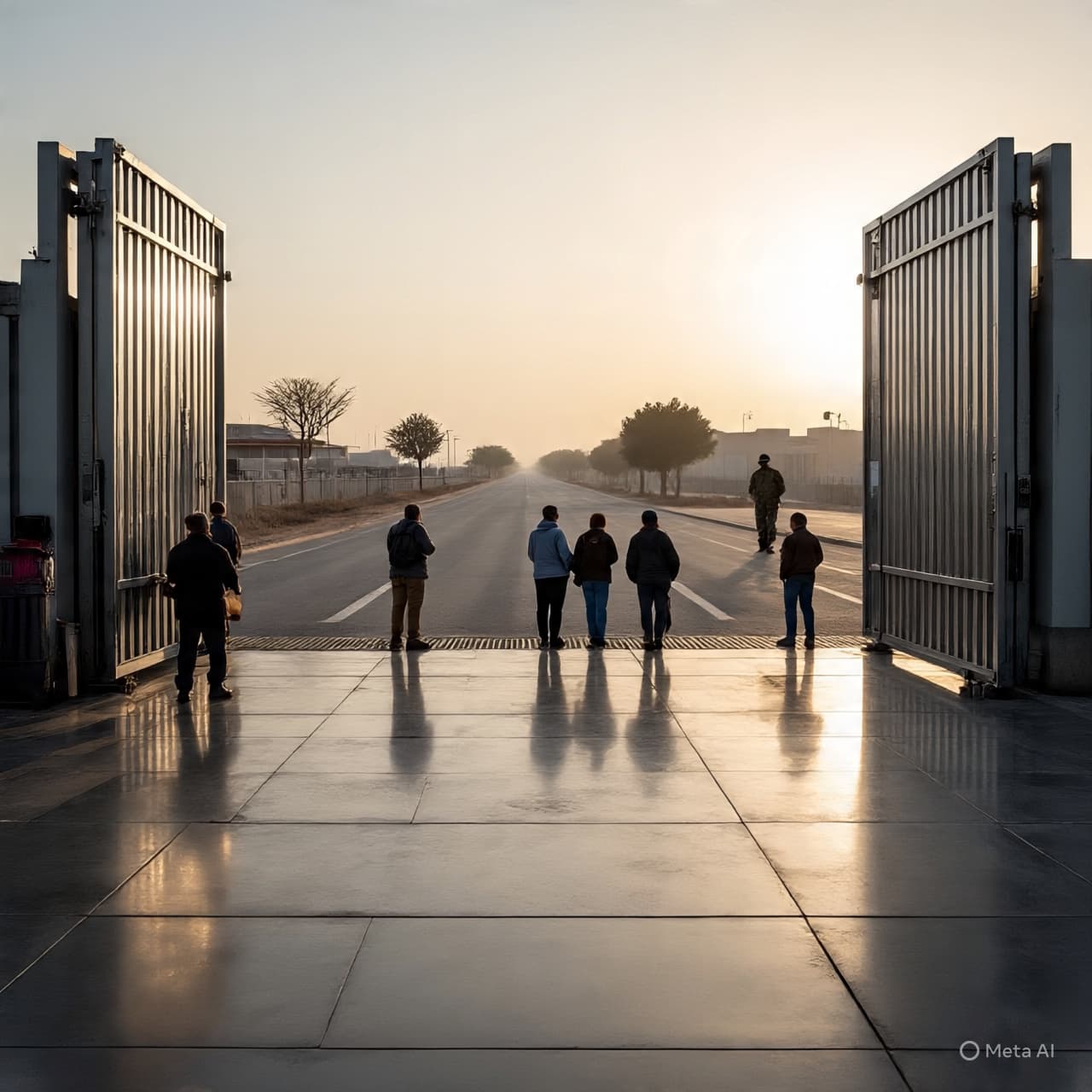
In the early morning light, families and officials navigate the crossing with a sense of reflection and resolve. Each movement, each permit granted, contributes to a larger narrative of connection amid separation, showcasing the resilience of the human spirit in the face of uncertainty.
Published by Banx Network. This article is part of the Banx decentralized media programme, powered by the BXE token on the XRP Ledger.



