In a world still echoing with the quiet hum of diplomacy and the louder clatter of headlines, one might imagine international peace efforts as a delicate garden of blossoms and thorns. Hope and skepticism often grow side by side, rooted in the fertile soil of goodwill but nourished by the rains of political reality. The latest chapter in this long, unfolding story brings us to a moment where intention and interpretation intertwine — and where a single figure finds himself navigating the shade and sunlight of global scrutiny.
Former British Prime Minister Tony Blair, a seasoned traveler through corridors of world affairs, recently moved to clarify his role in an initiative that has stirred both interest and debate. The initiative, known as the “Board of Peace,” was proposed by former U.S. President Donald Trump as an international body to help manage post-conflict transitions, beginning with Gaza. Among the discussions surrounding its membership and funding, a striking detail captured global attention: a draft charter suggested that countries would need to commit $1 billion to secure permanent membership beyond an initial term.
As the image of this bold financial threshold circulated, questions naturally arose — not only about what it means for world leaders but also about who shaped it. On Sunday, Blair’s office made a thoughtful statement, carefully measured in tone, noting that he had no role in setting or endorsing the $1 billion requirement attached to long-term participation in the board. A spokesperson for Blair underscored that membership decisions and any discussions on fees were under the purview of the Trump administration, not the former UK leader.
In this telling moment, there is a soft lesson about the nature of narratives in global discourse. A name associated with an idea can often eclipse the nuance of influence or intention. Blair’s distinction reflects not only his personal positioning but the larger challenge of clarifying roles in initiatives where political lines blur between sponsorship and participation.
Diplomats and officials across continents are observing with quiet deliberation. Some nations have received invitations to join the Board of Peace and are weighing the terms; others are engaging through dialogue with an eye toward shaping outcomes. Amid these considerations, the question of financial commitment — whether framed as a price, pledge, or symbol of investment in peace — remains a subject of careful reflection.
Through these unfolding discussions, a gentle reminder emerges: in the pursuit of peace, clarity and communication matter as much as ambition. Leaders, like gardeners tending fragile blooms, must distinguish between the seeds they plant and the blooms they hope will flourish.
In straightforward reporting, Tony Blair’s office stated that he did not participate in determining the $1 billion fee for permanent membership in the Board of Peace and will not publicly back the proposed funding terms, directing questions on that matter to the Trump administration. Multiple nations have been approached about participation, with reactions varying as diplomatic engagement continues.
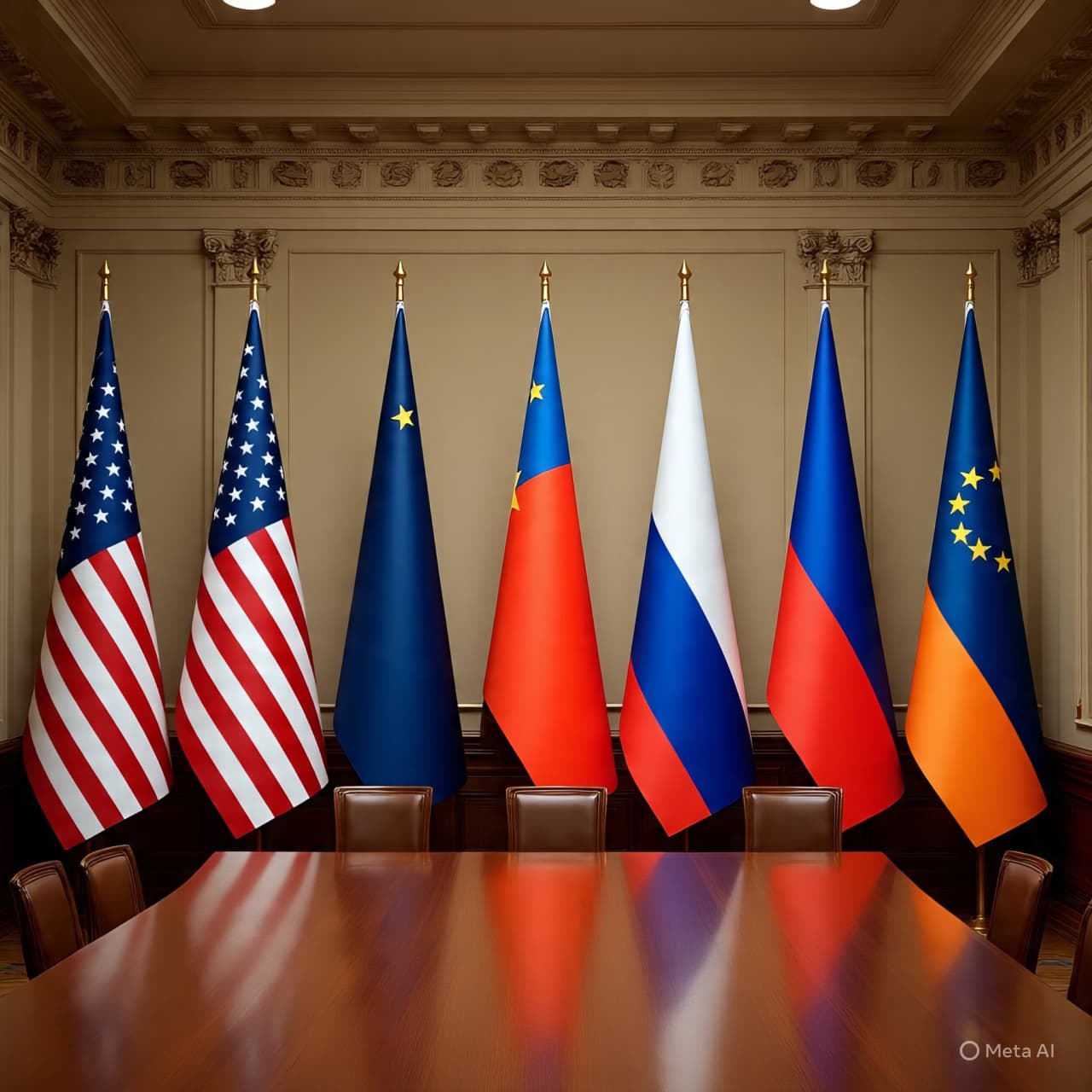
AI Image Disclaimer Visuals are created with AI tools and are not real photographs; they serve as conceptual depictions.
Source Check:
Reuters AP News Bloomberg (reported via mainstream coverage) CNN (via reporting) Press TV
Published by Banx Network. This article is part of the Banx decentralized media programme, powered by the BXE token on the XRP Ledger.