
Key Highlights
- King Felipe VI acknowledged the ethical controversies of the Spanish conquest during a museum visit.
- His remarks come amid ongoing diplomatic tensions between Spain and Mexico over historical grievances.
- The king's comments were met with mixed reactions from political figures in Spain and Mexico.
King Felipe VI of Spain recently made significant remarks regarding the legacy of the Spanish conquest of the Americas during a visit to the National Archaeological Museum in Madrid. As he viewed an exhibition dedicated to Indigenous women of pre-Columbian Mexico, the king acknowledged the “much abuse” and “ethical controversies” associated with the conquest, emphasizing the need for a rigorous historical understanding rather than moralizing judgments. This moment marked a notable shift in the dialogue surrounding Spain's colonial past, as the king's words resonated within the museum's walls, echoing the complexities of history.
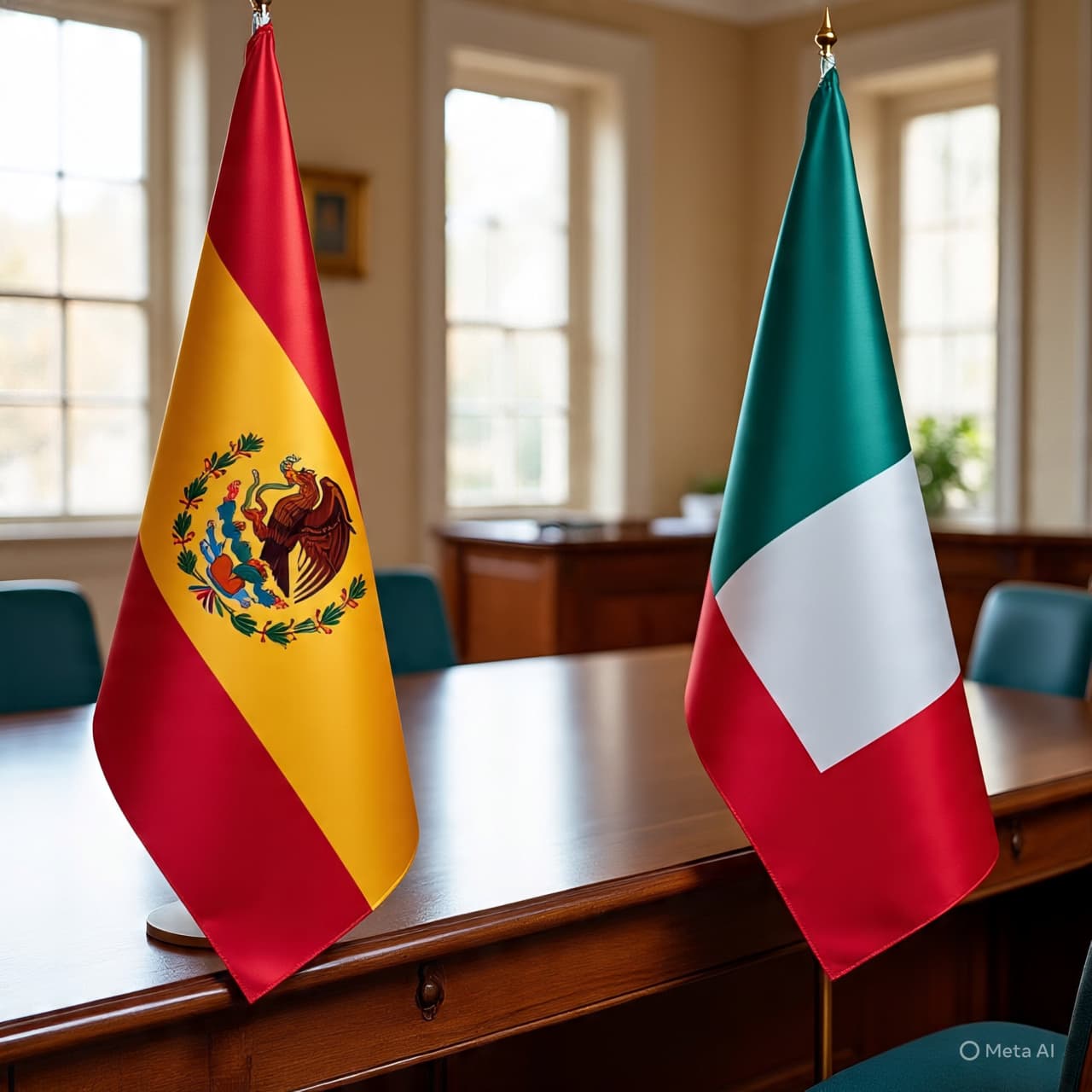
The backdrop of these remarks is a long-standing tension between Spain and Mexico, rooted in their intertwined histories. In 2019, Mexico's then-president Andrés Manuel López Obrador formally requested apologies from Spain and the Vatican for the violent upheavals during the conquest from 1519 to 1521. This request highlighted the deep scars left on Indigenous civilizations and the ongoing impact of colonialism. Spain's refusal to issue a formal apology has fueled diplomatic strains, culminating in the decision by Mexico's current president, Claudia Sheinbaum, to exclude King Felipe VI from her inauguration in 2024, citing unresolved historical grievances.
The absence of an official apology is not merely a matter of semantics; it reflects broader issues of collective memory and national identity. When Felipe VI spoke in Madrid, he chose a cultural setting rather than a political platform, framing his acknowledgment as a moment of reflection rather than a formal diplomatic gesture. Mexico's president responded cautiously, describing the king's remarks as a “gesture of rapprochement,” while also recognizing that they did not fully meet the expectations of many Mexicans seeking a more explicit acknowledgment of historical injustices.
In Spain, the king's comments have sparked a lively debate. Some political figures argue that it is inappropriate to judge historical events by contemporary standards, while others view the acknowledgment as a sincere step toward fostering dialogue between the two nations. This discourse touches on deeper questions about how societies reconcile pride in cultural achievements with the need to acknowledge past suffering. The legacy of colonialism continues to shape identities and relationships, prompting discussions about how historical truths can be understood without overshadowing the lived experiences of those affected.
The echoes of colonial legal texts, such as the Spanish Requirement of 1513, linger in contemporary discussions, as scholars and citizens alike grapple with the complexities of reconciling past actions with present values. The museum, with its artifacts and echoes of history, serves as a fitting backdrop for this ongoing dialogue, inviting visitors to reflect on the multifaceted nature of memory and identity.
As the conversation continues, it becomes clear that history is not merely a record of events but a dynamic dialogue across generations. Each new reflection invites us to listen as much as to speak, reminding us that understanding the past is essential for shaping a more inclusive future.
Published by Banx Network. This article is part of the Banx decentralized media programme, powered by the BXE token on the XRP Ledger.



