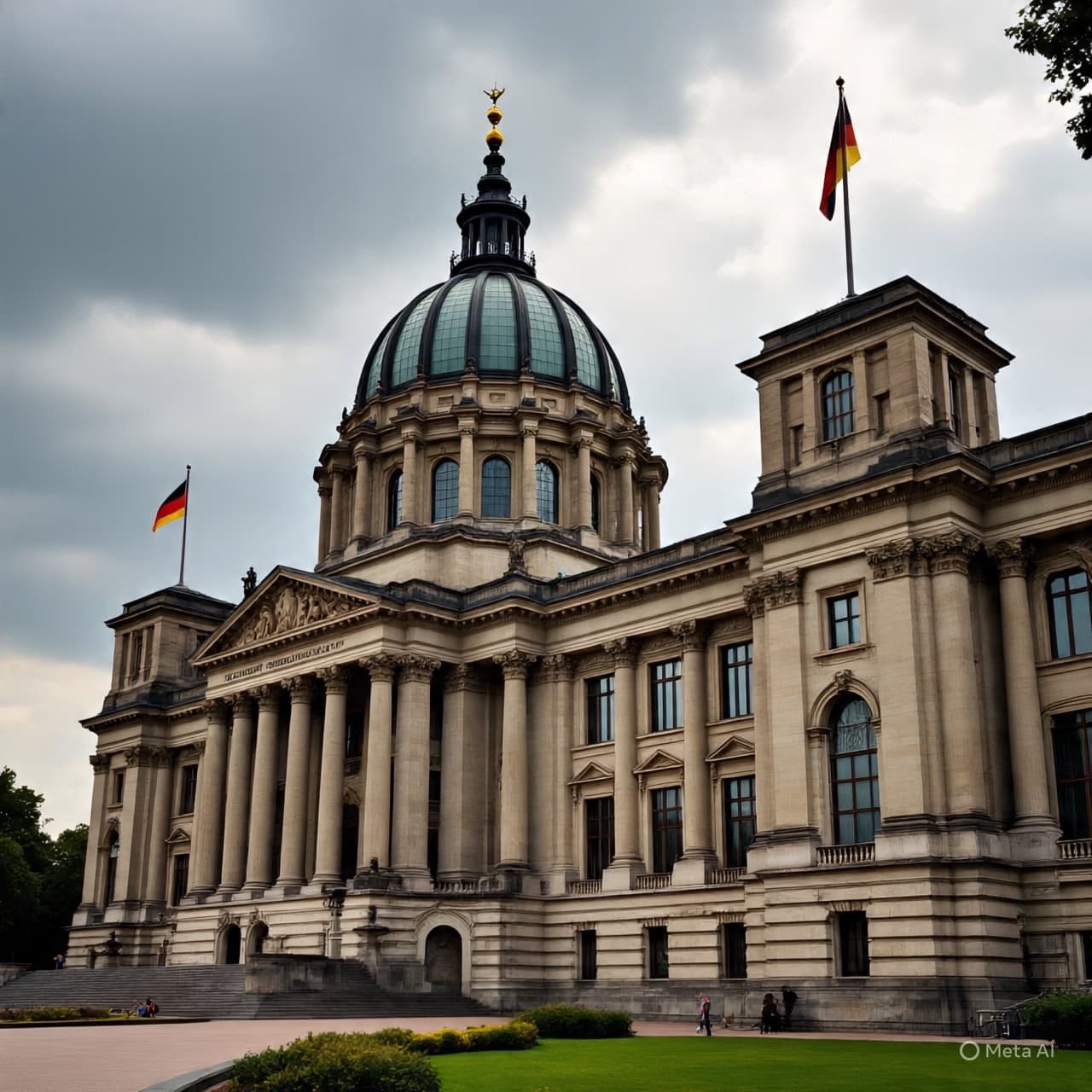
Across Germany, the rhythm of political life often unfolds with a sense of steadiness—debates carried through parliamentary halls, campaigns measured in tone, and outcomes shaped by long-standing traditions of coalition and compromise. Yet beneath this steady surface, subtle shifts have begun to take form, altering the contours of the country’s political landscape.
In recent election cycles, the far-right Alternative for Germany (AfD) has seen a notable rise in support, particularly in certain regions where economic concerns and social anxieties have found resonance in its messaging. What was once considered a peripheral presence has gradually moved closer to the center of national conversation, prompting both reflection and recalibration among established parties.
The factors behind this shift are neither singular nor sudden. They emerge from a convergence of pressures—rising living costs, debates over migration, energy insecurity, and broader questions about identity and governance in a changing Europe. For some voters, these concerns translate into a search for alternatives, even if those alternatives challenge longstanding political norms.
Germany’s political system, built on consensus and stability, has historically absorbed such shifts through coalition-building and institutional balance. Yet the current moment feels more nuanced. The rise of AfD has not only influenced electoral outcomes but has also shaped the tone and direction of national discourse, pushing certain issues further into focus.
Responses from mainstream parties have varied. Some emphasize the need to address underlying economic and social concerns more directly, while others focus on reaffirming democratic principles and distancing themselves from far-right rhetoric. The interplay between these approaches reflects a broader tension: how to respond to change without amplifying division.
Public sentiment remains complex. Support for AfD, while growing, exists alongside strong opposition and ongoing debate about the party’s role within Germany’s democratic framework. The result is not a single narrative, but a mosaic of perspectives, each shaped by local experience and national context.
As Germany looks ahead to future elections, the path forward appears less certain than it once did. Yet uncertainty, in itself, is not unfamiliar to democratic societies. It is part of the process through which identities are questioned, priorities are reassessed, and new directions are considered.
In the quiet moments between campaigns, beyond the headlines and polling numbers, Germany continues to move—slowly, deliberately—through a period of transition. And like all transitions, it carries with it both the weight of what has been and the possibility of what may come next.
Published by Banx Network. This article is part of the Banx decentralized media programme, powered by the BXE token on the XRP Ledger.