
Key Highlights
- Wildfires in southern France disrupt summer landscapes and communities.
- Emergency services are actively combating the flames and protecting residents.
- Climate change is increasing the risk of wildfires across Europe.
Across the southern landscapes of France, where lush forests meet open fields and tranquil villages rest beneath expansive skies, the rhythm of summer has been abruptly interrupted by the presence of wildfires. This season of warmth has brought renewed attention to the fragile relationship between nature, climate, and human communities, as several regions grapple with the devastating effects of fire.
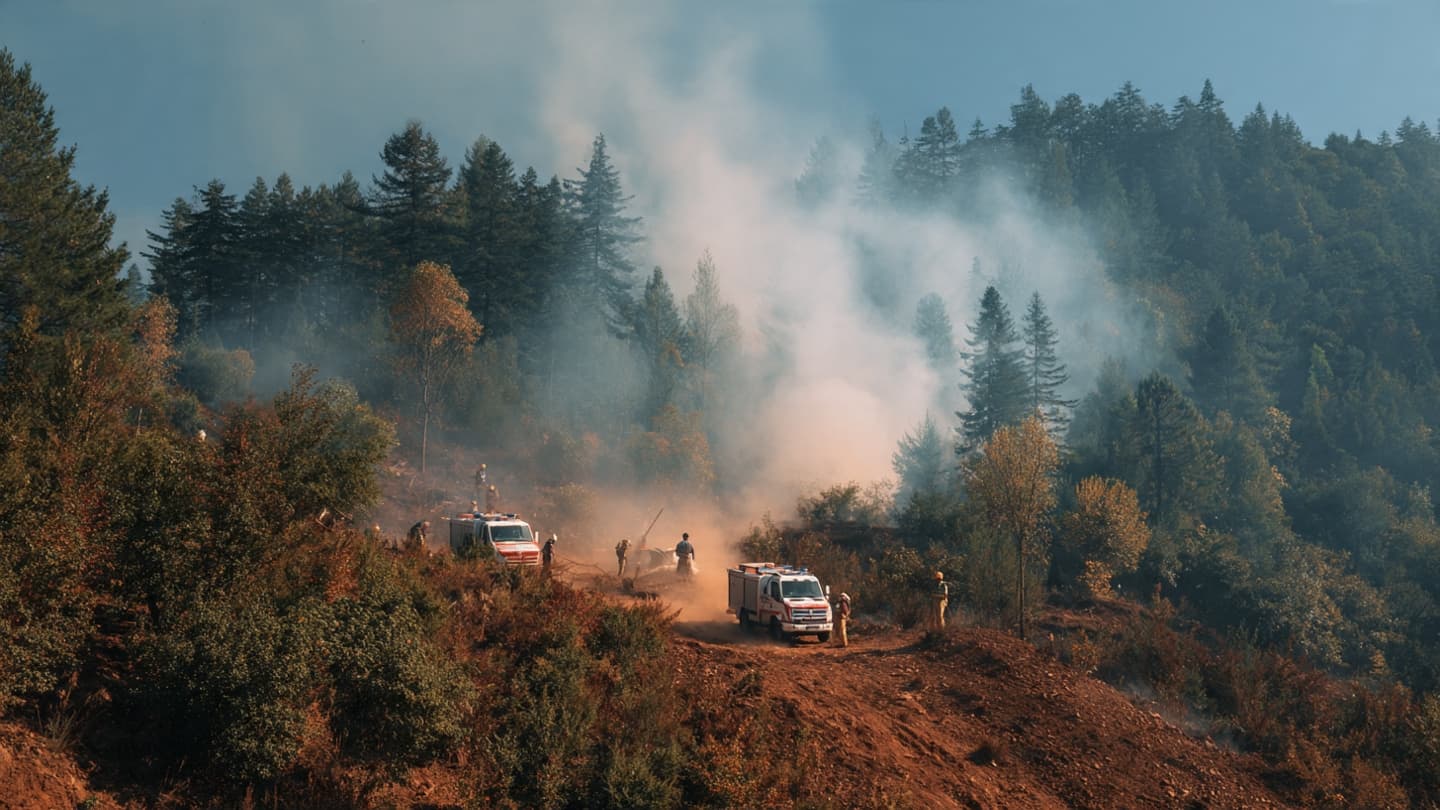
During periods of intense heat and dry conditions, wildfires have spread through forested areas, prompting emergency teams to mobilize in an effort to contain the flames. Firefighters have been working tirelessly to protect residents and minimize damage to the natural environment, showcasing the urgency of the situation. The fires have underscored the growing challenges faced by communities living near vulnerable landscapes, where areas that once represented calm spaces of biodiversity have transformed into zones requiring heightened monitoring and preparation.
In response to the escalating threat, French authorities and emergency services have expanded their firefighting efforts. Ground teams equipped with specialized tools and resources are deployed to combat the rapidly changing conditions. This proactive approach reflects the complexity of managing large-scale natural events, where the interplay of climate factors can lead to unpredictable outcomes.
The impact of these wildfires extends beyond the immediate danger posed by the flames. Local residents, farmers, and businesses connected to rural areas have had to adapt to the disruptions caused by evacuation measures and the uncertainty surrounding their environment. The emotional and economic toll on these communities is significant, as they navigate the challenges of recovery while facing the looming threat of future fires.
Scientists and environmental observers are closely studying the factors contributing to the increased risk of wildfires, including rising temperatures, changing rainfall patterns, and prolonged dry spells. These elements are becoming critical considerations for countries across Europe, as they seek to understand and mitigate the effects of climate change on their landscapes.
The experience in France mirrors challenges faced in other Mediterranean regions, where summer heat can rapidly alter the landscape. As the climate continues to change, prevention and preparedness have emerged as central themes in environmental planning. Communities are increasingly recognizing the need for comprehensive strategies to address the risks associated with wildfires.
As firefighters continue to monitor affected areas, French communities remain focused on recovery and protection. Authorities are actively evaluating conditions and implementing measures to reduce future risks during increasingly challenging weather periods. The resilience of these communities will be tested as they confront the realities of a changing climate and its impact on their lives.
Published by Banx Network. This article is part of the Banx decentralized media programme, powered by the BXE token on the XRP Ledger.



