
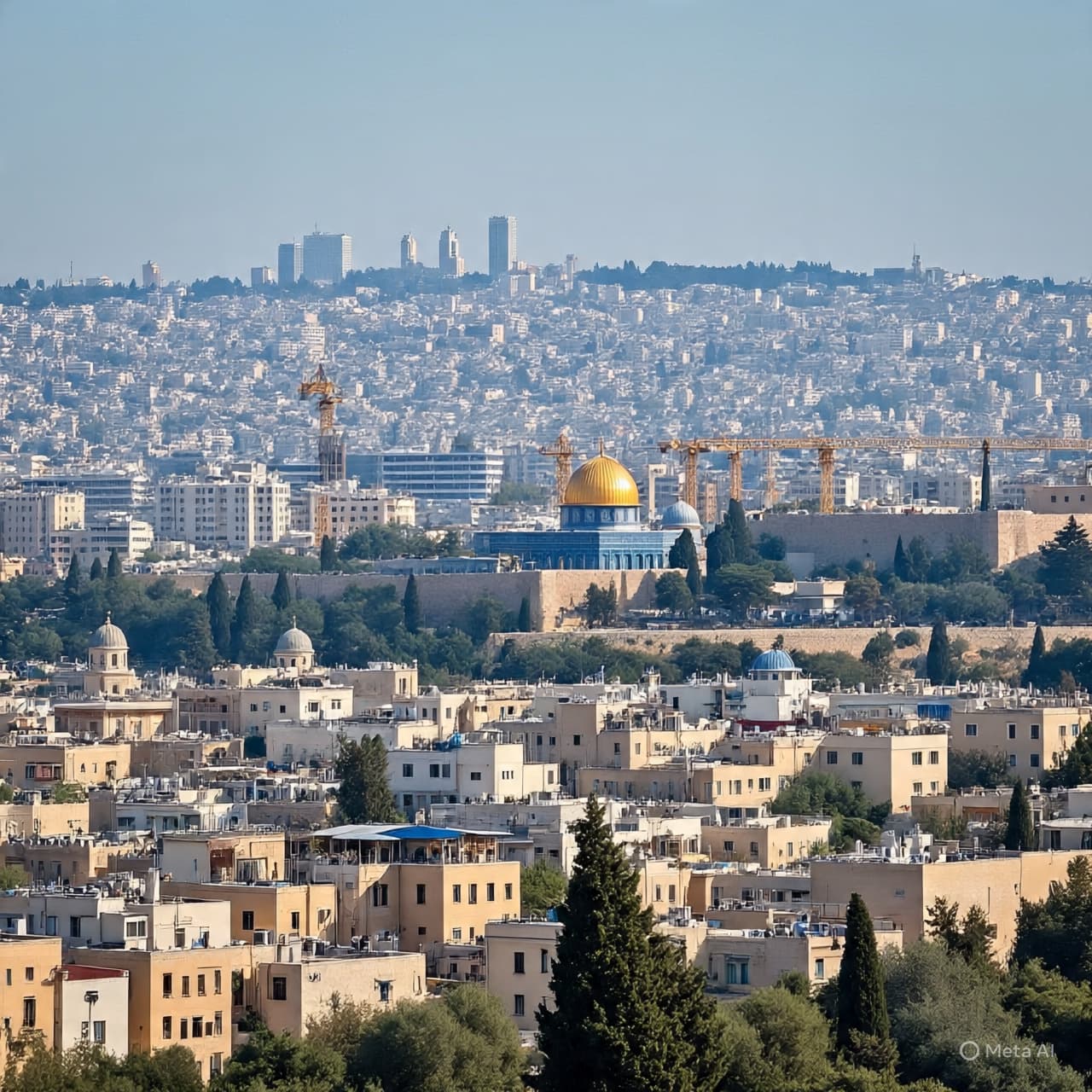
Key Highlights
- New Housing Project:Israeli government plans thousands of housing units near Jerusalem.
- Controversial Location:The project is situated in the occupied West Bank, beyond the Green Line.
- Reactions:Palestinian officials and activists criticize the plan as a form of annexation.
The Israeli government has recently announced a significant housing project that aims to construct thousands of new housing units near Jerusalem, specifically linked to the settlement of Geva Binyamin, located northeast of the city. This initiative is officially framed as a necessary response to the growing demand for housing in the area. However, the proposed site lies beyond the internationally recognized Green Line, in territory that Palestinians regard as essential for their future statehood aspirations.
Critics of the project, including the Palestinian Authority’s governorate for Jerusalem, have condemned the plan as a “blatant attempt to conceal annexation.” They argue that the construction of these homes would effectively alter the boundaries of Jerusalem, extending Israeli municipal control into occupied territories. Activist groups such as Peace Now have echoed these sentiments, asserting that the development will integrate into Jerusalem’s urban landscape, thereby marking an expansion of Israeli sovereignty.
The historical context of East Jerusalem and the adjacent West Bank territories is crucial in understanding the implications of this housing project. Since the Six-Day War in 1967, the status of these areas has been a central issue in the Israeli-Palestinian conflict. Any plans that shift physical boundaries are scrutinized through the lens of this long-standing dispute, with Palestinians viewing such developments as threats to their rights, identity, and political future.
International reactions have also surfaced, with various observers expressing concern over the Israeli government's recent actions, including land registrations and settlement approvals. Critics argue that these steps contribute to the de facto annexation of parts of the West Bank, undermining the prospects for a negotiated two-state solution and violating international law. The language used by Israeli officials often emphasizes security and demographic planning, framing the housing project as a necessary development rather than a political maneuver.
Supporters of the housing initiative argue that it addresses pressing population needs and is part of the normal development of municipal services. They contend that the project focuses on providing homes, schools, and infrastructure, distancing it from the political implications that critics highlight. This divergence in interpretation underscores the complexity of the situation, where fundamental human needs are intertwined with deep-seated political and symbolic meanings.
For residents on both sides of the divide, the housing plan evokes personal sentiments. Many Israelis view the construction as a reaffirmation of their historical and security claims to the land, while Palestinians perceive it as a further encroachment on their space and autonomy. This emotional landscape complicates the discourse surrounding the project, making it a deeply personal issue for those affected.
Amidst the controversy, voices advocating for restraint and renewed peace efforts have emerged. These commentators stress the importance of considering demographic patterns alongside respect for heritage and international norms. They call for sustainable solutions that acknowledge the complexities of the situation, aiming to foster dialogue and understanding despite the significant differences in perspective.
In summary, the Israeli government's announcement of a housing project involving thousands of new units near Jerusalem has ignited a heated debate. Palestinian officials and rights groups have condemned the proposal as a form of disguised annexation, raising critical questions about the future of the region and the prospects for peace.
Published by Banx Network. This article is part of the Banx decentralized media programme, powered by the BXE token on the XRP Ledger.



