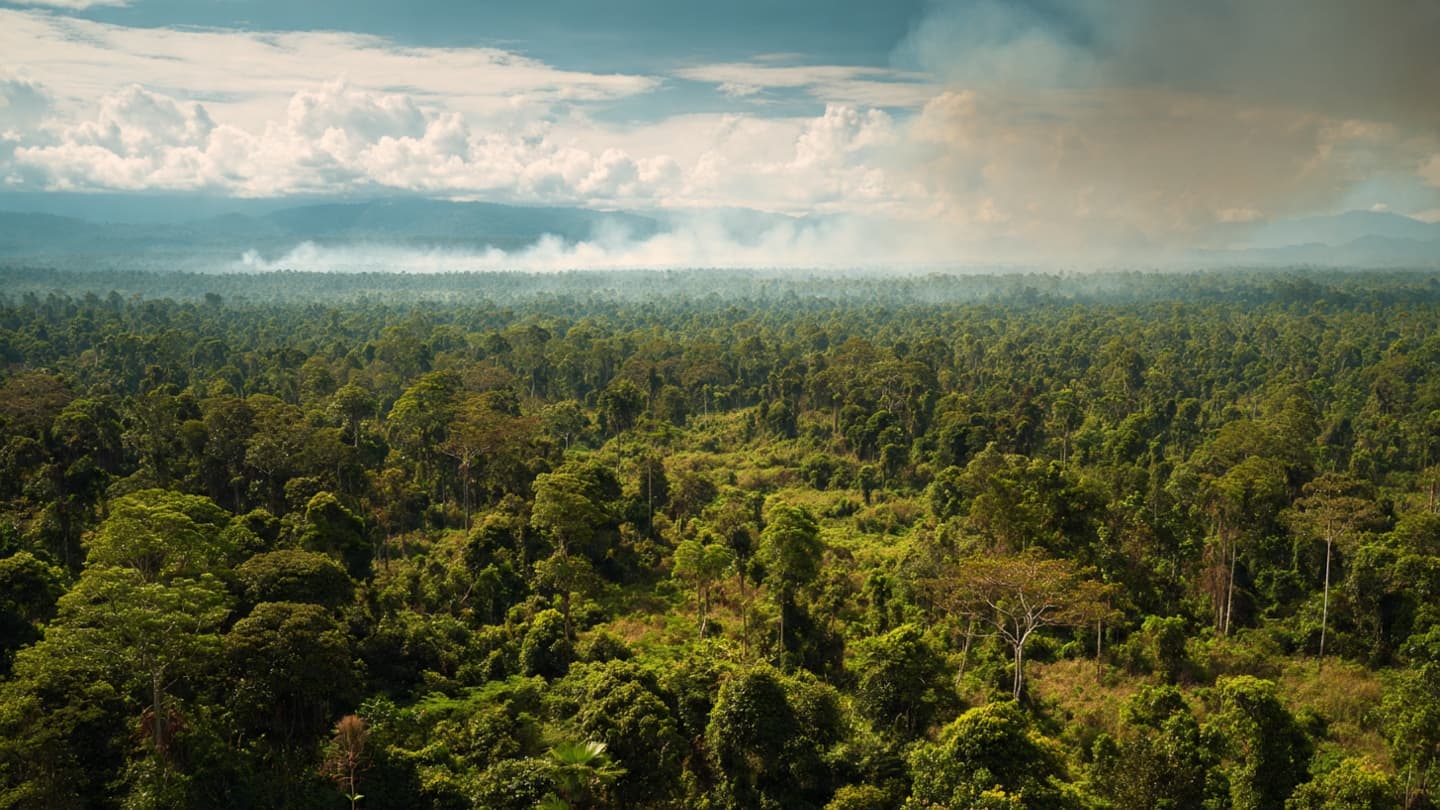
From above, Borneo can appear almost endless, a green expanse broken by rivers, roads and scattered settlements. On the ground, however, the landscape can change quickly when the dry season settles in. In Kalimantan, the recent rise in wildfire hotspots has brought smoke and fire back into the national view, prompting authorities to place greater attention on the region.
Indonesia's disaster agency has announced that Kalimantan will receive priority in wildfire response as the number of fire hotspots increases. The region, which occupies the Indonesian portion of Borneo and lies across the border from Malaysia, is among the areas most closely watched when dry conditions raise the likelihood of forest and land fires.
The timing adds another dimension. Indonesia's weather agency previously warned that El Niño conditions could persist into early 2027, while potential fire zones had already increased sharply during July. The combination of hotter and drier conditions can leave vegetation more vulnerable, allowing fires to spread more easily once they begin.
The scale of recent burning gives the concern a physical measure. According to figures cited by Reuters from Indonesia's forestry ministry, nearly 95,000 hectares of land were affected by wildfires in July alone. From January through July, the total reached more than 202,000 hectares, almost twice the area recorded through June.
Fire in Kalimantan is not only a story about forests. Smoke can move beyond the immediate location of a blaze, changing the quality of air breathed by communities and affecting daily activities. Across borders, the consequences can also become visible. Malaysia's Sarawak state recently closed more than 100 schools amid worsening haze associated with fires in neighboring Indonesia.
The landscape itself makes the problem difficult to reduce to a single cause. Fires can emerge from land-clearing activities, dry vegetation and other human or environmental factors, while weather determines how quickly conditions can become favorable for combustion. Each fire therefore sits within a wider interaction between land, climate and human activity.
For communities living near forested areas, the arrival of smoke is often less dramatic than the images that eventually reach television screens. It can begin with a distant haze, a change in the color of the horizon or a day when the air feels different. The transformation is gradual, which can make the scale of the underlying problem difficult to perceive.
Authorities are now concentrating resources on Kalimantan as the hotspot increase becomes more pronounced. The focus is part of a broader effort to detect fires, respond to outbreaks and reduce the possibility that individual fires will develop into larger regional events.
For Indonesia, the coming months will depend partly on weather conditions and partly on how effectively fire detection and response measures operate on the ground. As August moves forward, the forests of Kalimantan remain under close observation, with satellites, firefighters and local communities watching for the small points of heat that can become much larger stories.
SEO-friendly slug: kalimantan-wildfire-hotspots-indonesia-forest-fires-2026
Hashtags: #Kalimantan #Indonesia #Wildfire #ForestFire #Environment #Climate #Borneo
Image Disclaimer
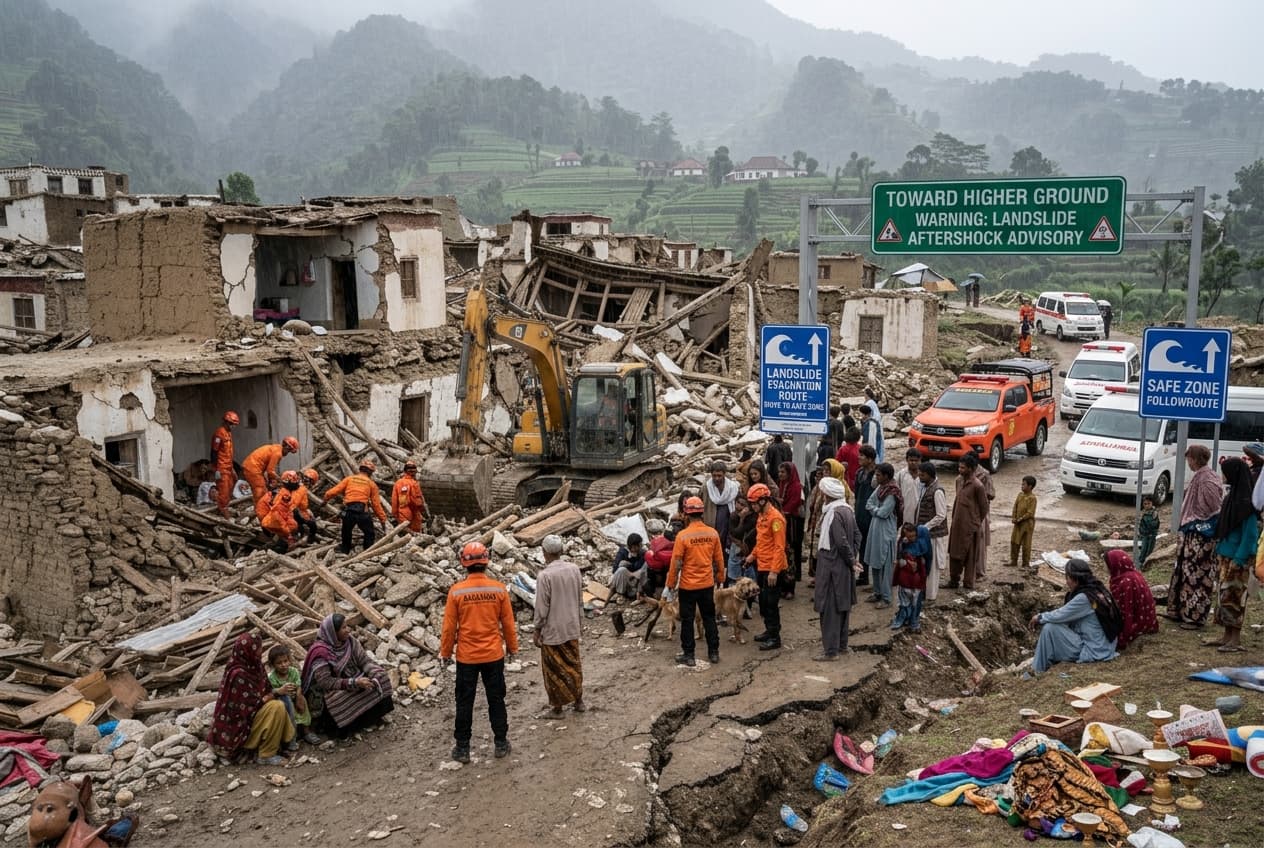
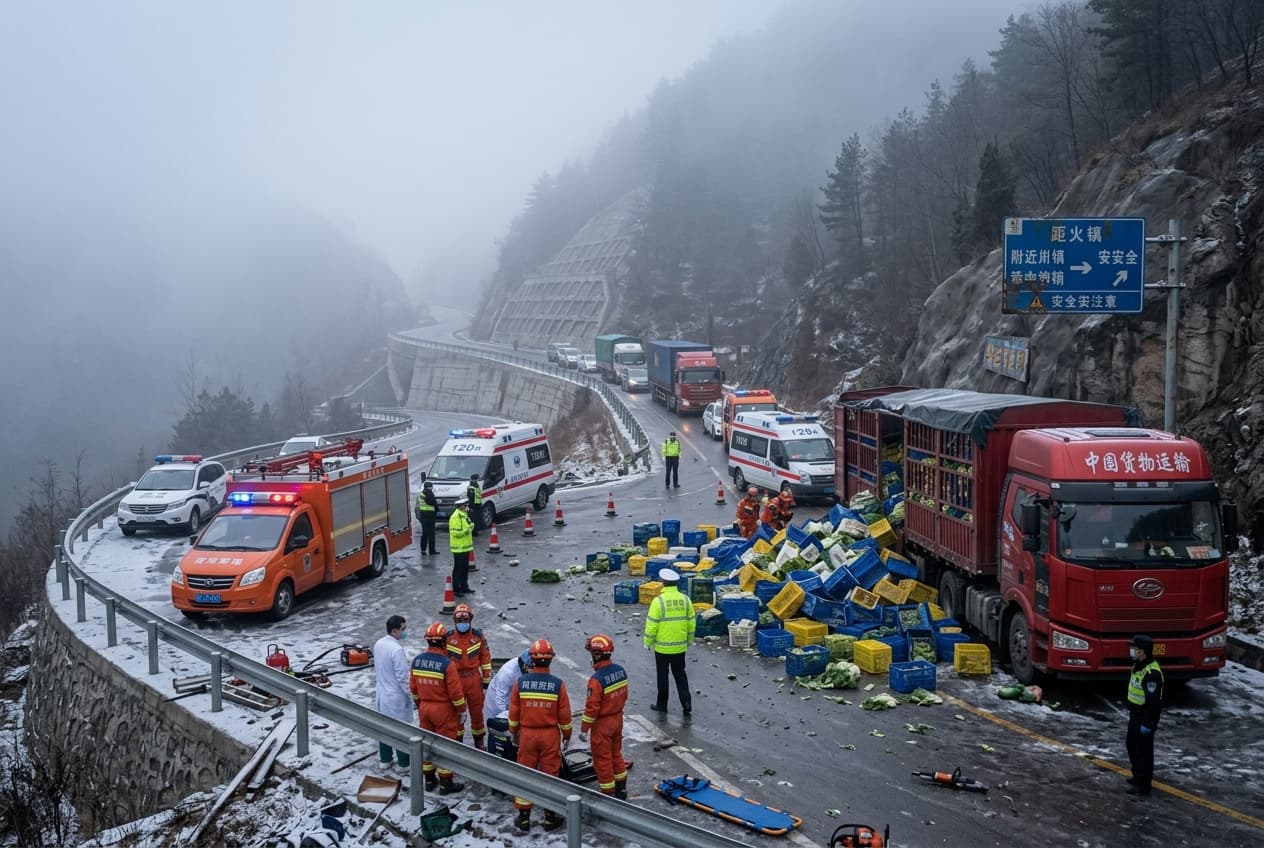
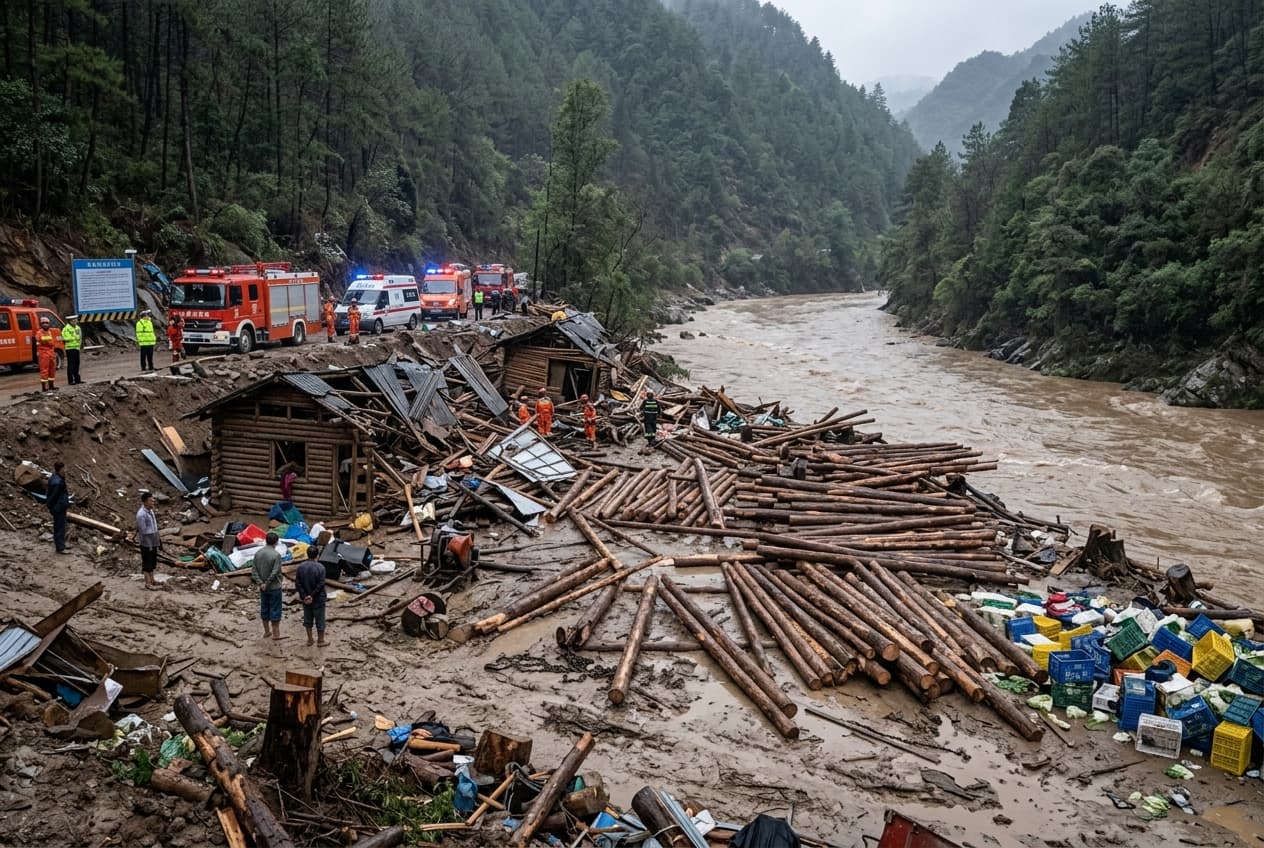
These illustrations were created with AI tools and are conceptual visualizations, not real photographs.
Sources
Reuters
Published by Banx Network. This article is part of the Banx decentralized media programme, powered by the BXE token on the XRP Ledger.