
Key Highlights
- Kiwi fatalities:Cars are now the leading cause of kiwi deaths in Northland.
- Conservation concerns:Other threats include dog attacks and habitat loss.
- Driver awareness:Advocates urge caution on rural roads to protect wildlife.
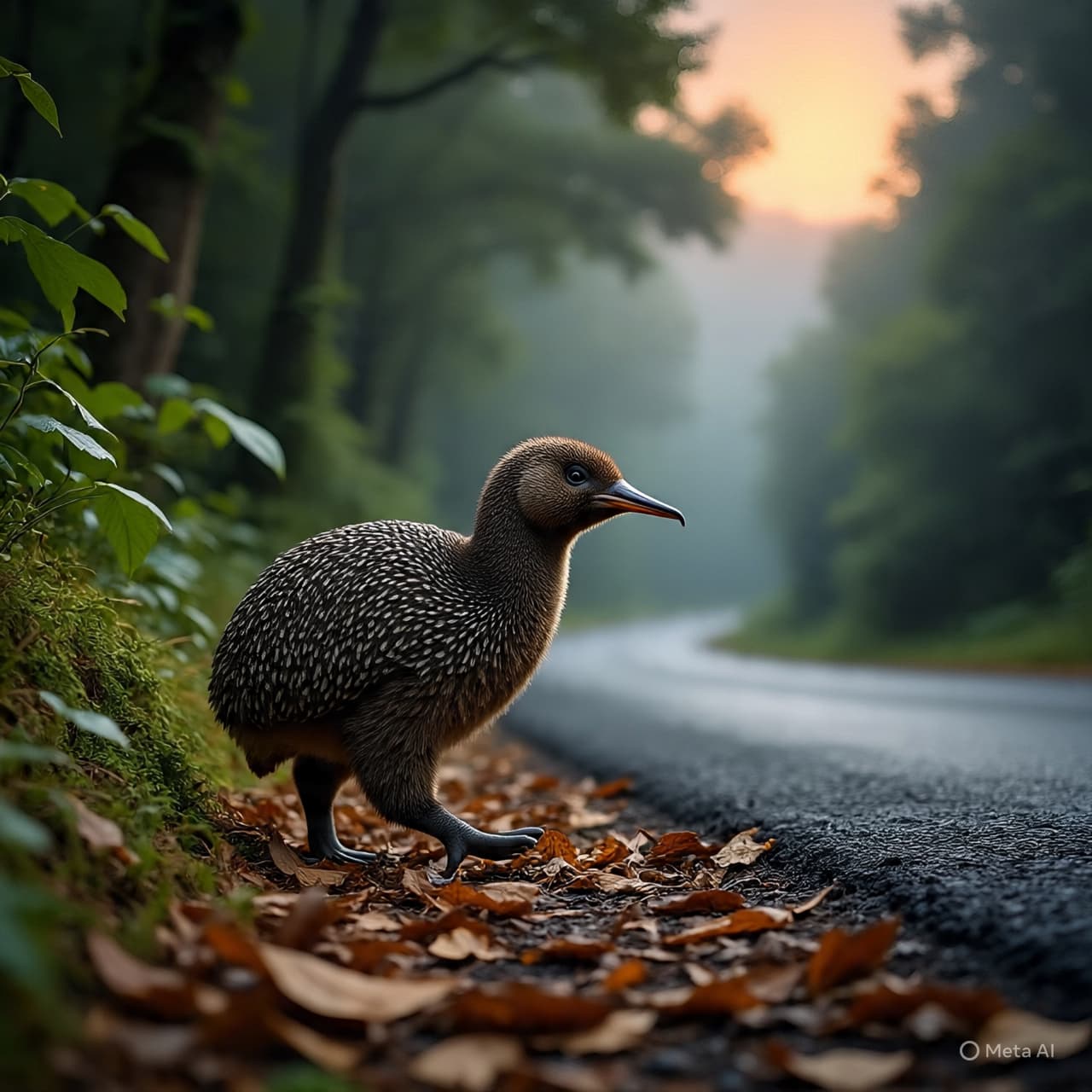
In the tranquil evenings of Northland, as the sun sets and darkness envelops the landscape, one of New Zealand's most iconic birds, the kiwi, emerges from its daytime hiding. This nocturnal creature, known for its cautious nature and reliance on scent, roams the undergrowth in search of food. However, the once uninterrupted forest paths are now crisscrossed with roads, leading to a troubling trend: cars have become the leading cause of kiwi deaths in the region.
Recent conservation data highlights a stark reality for kiwi populations in Northland. As these birds navigate their habitats, they increasingly encounter vehicles on roads that slice through their territories. The instinctual behavior of kiwis to roam widely for food puts them at risk during the hours when traffic is most active. The combination of their nocturnal habits and the presence of roads creates a perilous situation for these vulnerable birds.
Historically, kiwis thrived in diverse environments across Northland, from native forests to coastal scrub. While this variety offers some survival opportunities, it also presents numerous intersections between wildlife and human infrastructure. Conservation groups have noted that cars are now the most frequently recorded cause of kiwi fatalities, surpassing other threats such as dog attacks, which can be particularly harmful to adult birds.
Researchers emphasize that the reported numbers likely underestimate the true impact of vehicle collisions. Many kiwis struck by cars may not be found, especially in remote areas where they quietly traverse the night. This hidden toll raises concerns about the long-term viability of kiwi populations in Northland, a region that remains one of the last strongholds for these birds.
In response to the rising number of kiwi deaths, conservation advocates are calling for increased awareness among drivers. They recommend slowing down in known kiwi habitats, paying attention to wildlife crossing signs, and remaining vigilant on rural roads. These measures could significantly reduce the risk of collisions and help protect this national symbol from further decline.
As Northland's roads continue to facilitate human movement between towns and natural attractions, the plight of the kiwi serves as a poignant reminder of the delicate balance between nature and infrastructure. Beneath the stars, these birds persist in their ancient routines, navigating the challenges posed by modern development. The distance between survival and loss for the kiwi may hinge on the simple act of a driver slowing down and remaining alert.
Published by Banx Network. This article is part of the Banx decentralized media programme, powered by the BXE token on the XRP Ledger.



