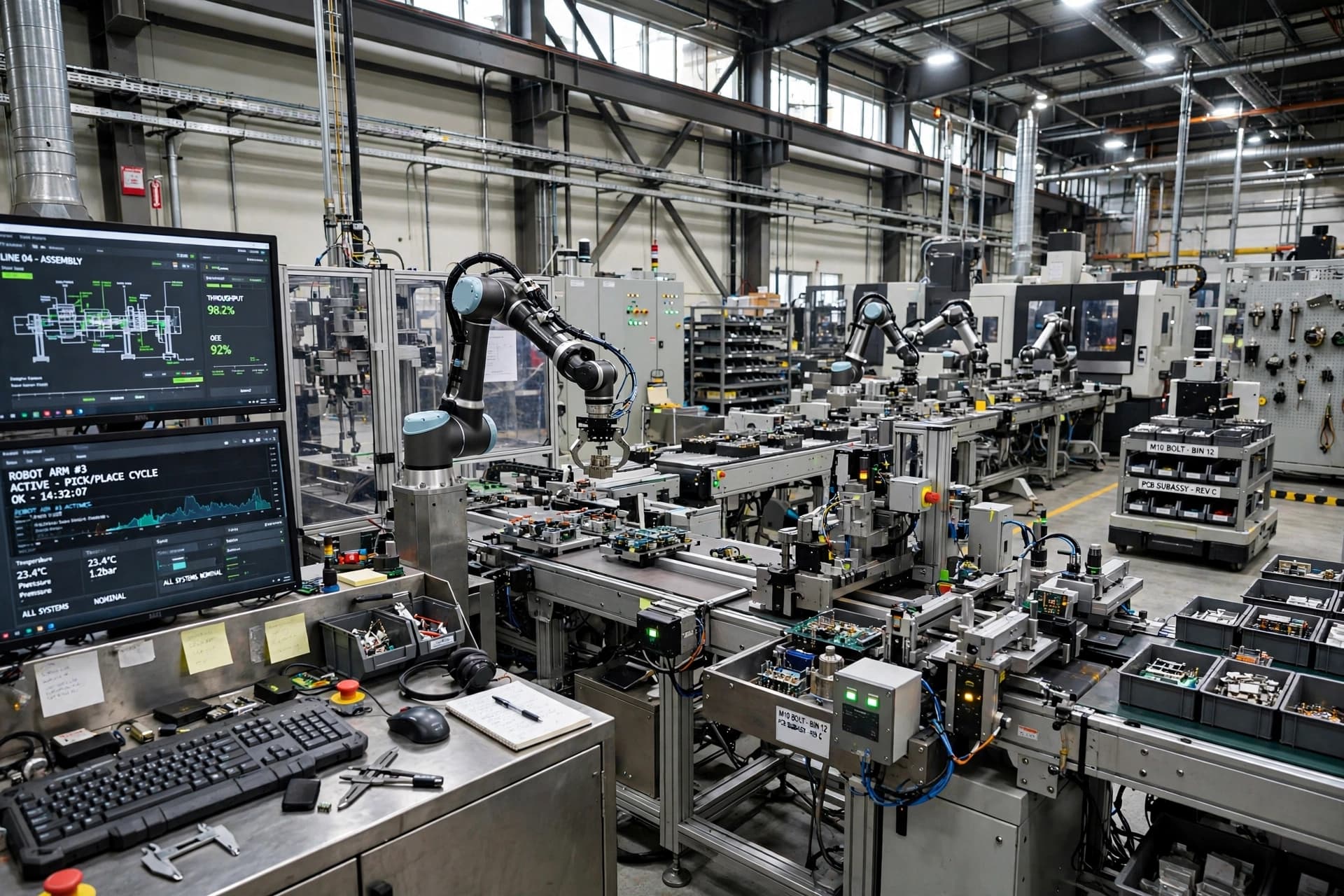
A gray morning settles over Europe’s factory towns, where assembly lines wake slowly and the smell of metal and oil still lingers in the air. These are places built on prediction—how many cars, which engines, what people will want years from now. Sometimes the future arrives early. Sometimes it hesitates. In between, balance sheets begin to tell quieter stories.
Stellantis, one of the world’s largest automakers, has acknowledged a costly misreading of that future. The company said it took a €22 billion hit after overestimating how quickly consumers would move from combustion engines to electric vehicles. The charge reflects a recalibration of expectations, a recognition that the road to electrification has proven less direct than forecasts once suggested.
The shift toward electric mobility remains central to Stellantis’ long-term vision. Across its sprawling portfolio—from European city cars to American pickup trucks—the company has invested heavily in batteries, platforms, and software. But recent demand has softened in key markets, leaving factories and inventories slightly out of sync with earlier optimism. Higher interest rates, uneven charging infrastructure, and lingering consumer caution have slowed adoption, especially outside early-adopter urban centers.
In financial terms, the write-down speaks to assets valued for a future that has not yet arrived at the expected speed. In human terms, it echoes through boardrooms and shop floors alike. Automaking has always been cyclical, but the electric transition adds a layer of uncertainty unfamiliar even to seasoned planners. Too slow, and companies risk irrelevance; too fast, and they risk costly overreach.
Stellantis executives framed the adjustment as a correction rather than a retreat. Production plans are being refined, model launches spaced more carefully, and capital spending aligned more closely with confirmed demand. The company continues to emphasize its commitment to electrification, even as it acknowledges that consumers are moving in uneven rhythms—some eager, others cautious, many waiting.
The broader industry is experiencing similar pauses. Governments still set ambitious targets, and climate imperatives remain unchanged. Yet the market’s response has become more selective, shaped by price sensitivity and practical concerns. The electric future, it seems, is less a sudden turn than a long curve, requiring patience as well as conviction.
As the day progresses, factory lights glow steadily, and unfinished cars move inch by inch along their tracks. The €22 billion figure settles into reports and headlines, heavy but abstract. What remains more tangible is the lesson beneath it: transitions rarely follow straight lines. For Stellantis, the journey toward electrification continues—adjusted, recalculated, and still unfolding, one measured step at a time.
AI Image Disclaimer Visuals are AI-generated and serve as conceptual representations.
Sources Reuters Financial Times Bloomberg Associated Press Automotive News
Published by Banx Network. This article is part of the Banx decentralized media programme, powered by the BXE token on the XRP Ledger.