
Key Highlights
- Mongolia faces increasing risks from floods, wildfires, and earthquakes.
- Disaster agencies are enhancing coordination and contingency plans.
- Environmental instability is straining emergency preparedness nationwide.
Mongolia's vast landscapes have long endured extremes, but recent seasons have brought these forces closer together, creating a precarious situation for communities. The country's disaster agencies have issued warnings about the rising risks from floods, earthquakes, and wildfires, highlighting the urgent need for enhanced emergency preparedness as environmental instability and geological vulnerabilities converge.
In a recent announcement, officials revealed that they are expanding coordination efforts among disaster response units while reviewing contingency plans aimed at managing overlapping crises. This proactive approach is crucial as the nation grapples with the compounded effects of climate change, which has led to unpredictable weather patterns and increased geological activity.
Flooding remains a significant concern in many regions of Mongolia, particularly where intense seasonal rainfall and rapid snowmelt can overwhelm river systems. Urban areas near waterways have experienced repeated flooding events, while rural communities face the risk of isolation due to damaged roads and washed-out infrastructure. Authorities are closely monitoring flood-prone areas, as unstable weather patterns continue to heighten uncertainty regarding the intensity of seasonal floods.
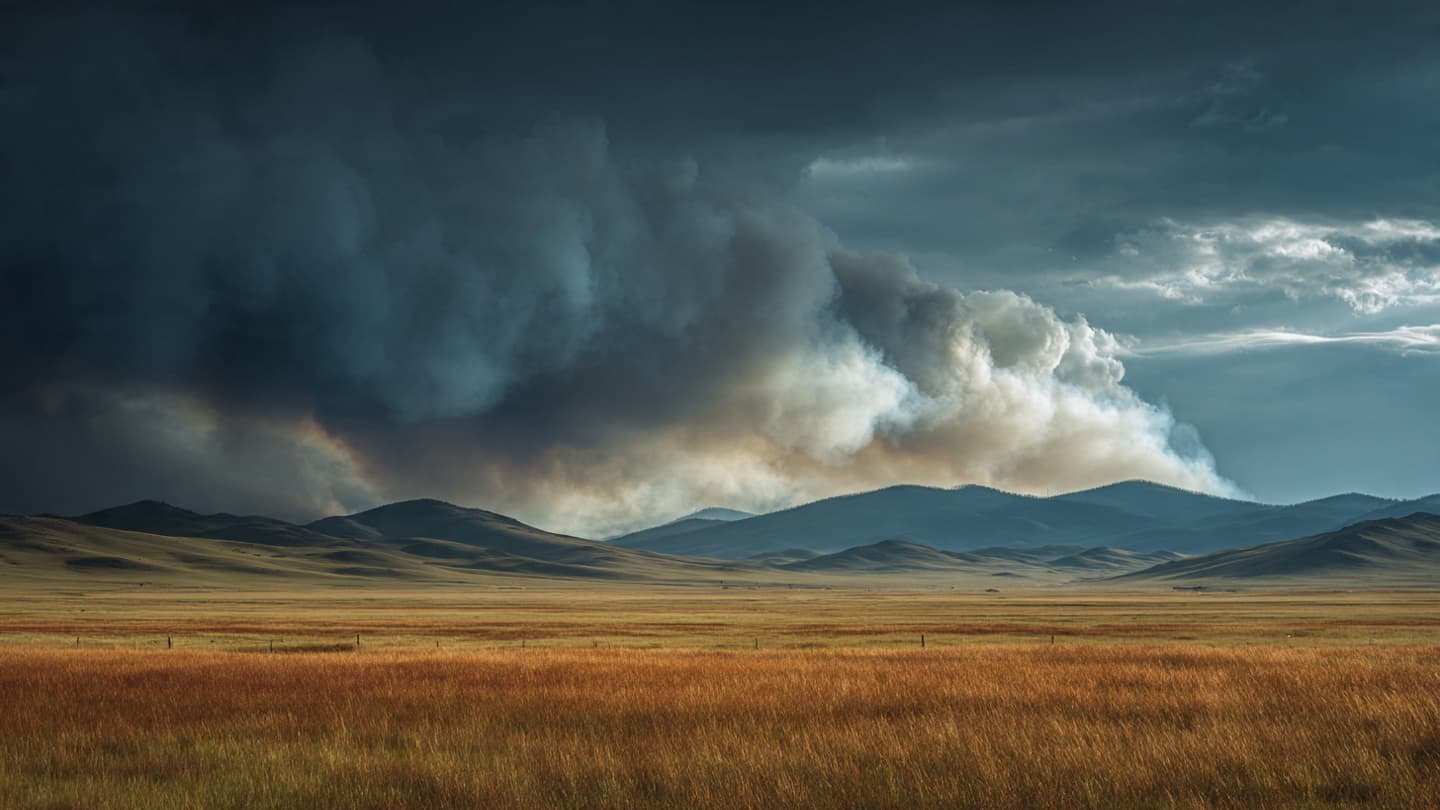
Simultaneously, wildfire conditions have worsened across Mongolia's grasslands and forested regions, exacerbated by prolonged drought and stronger winds. Environmental agencies have reported that dry vegetation, coupled with rising temperatures, increases the likelihood of rapid fire spread in remote areas, where access for emergency responders is often limited. The economic impact of wildfires is particularly severe for agricultural communities reliant on livestock and grazing land, as the damage extends far beyond the immediate destruction.
In addition to these environmental threats, Mongolia is situated in a seismically active region, where earthquakes pose a serious risk to infrastructure and public safety. Disaster agencies stress the importance of integrating earthquake preparedness into climate-related emergency measures, especially in densely populated urban areas where effective coordination during seismic events is critical.
Residents in affected regions are gradually adapting to these challenges through local drills, emergency supply checks, and updated evacuation procedures. Schools are revisiting their disaster response plans, while rescue agencies are testing communication systems designed to function during large-scale emergencies. The overlapping nature of these disaster threats has shifted local perceptions of seasonal changes, as residents now view rain, heat, and even the quiet beneath the ground with newfound caution.
Environmental researchers and regional observers warn that climate instability is likely to continue amplifying the frequency and severity of natural disasters across Central Asia. The combined risks of drought, flooding, and environmental degradation place additional pressure on nations like Mongolia, which are already balancing rapid urban development with fragile rural infrastructure spread across vast distances.
As authorities confirm ongoing monitoring operations and national disaster preparedness reviews, they emphasize the need for long-term resilience strategies to address multiple environmental threats. Additional emergency planning initiatives are anticipated in vulnerable regions over the coming months, as Mongolia seeks to bolster its defenses against the growing challenges posed by climate change and geological instability.
Published by Banx Network. This article is part of the Banx decentralized media programme, powered by the BXE token on the XRP Ledger.



