
Key Highlights
- Rising dengue fever risk:Health authorities warn of increased dengue cases following recent flooding in Vanuatu.
- Flood recovery efforts:Communities are engaged in cleanup while addressing health concerns related to stagnant water.
- Public health response:Emergency teams distribute mosquito nets and repellents to vulnerable populations.
In the aftermath of recent storms, Vanuatu is grappling with the dual challenge of flood recovery and a rising risk of dengue fever. As the rain subsides, stagnant water left behind poses a significant threat, creating ideal breeding conditions for mosquitoes. Health officials have issued warnings about the potential for increased dengue cases, urging residents to take proactive measures to eliminate standing water around their homes and shelters.
The flooding has severely impacted sanitation systems and disrupted waste collection services in several communities, raising alarms among public health officials. Clinics across the islands have reported a surge in patients presenting with fever symptoms, prompting investigations into suspected dengue cases. Medical teams are ramping up monitoring efforts in vulnerable districts to mitigate the spread of mosquito-borne illnesses.
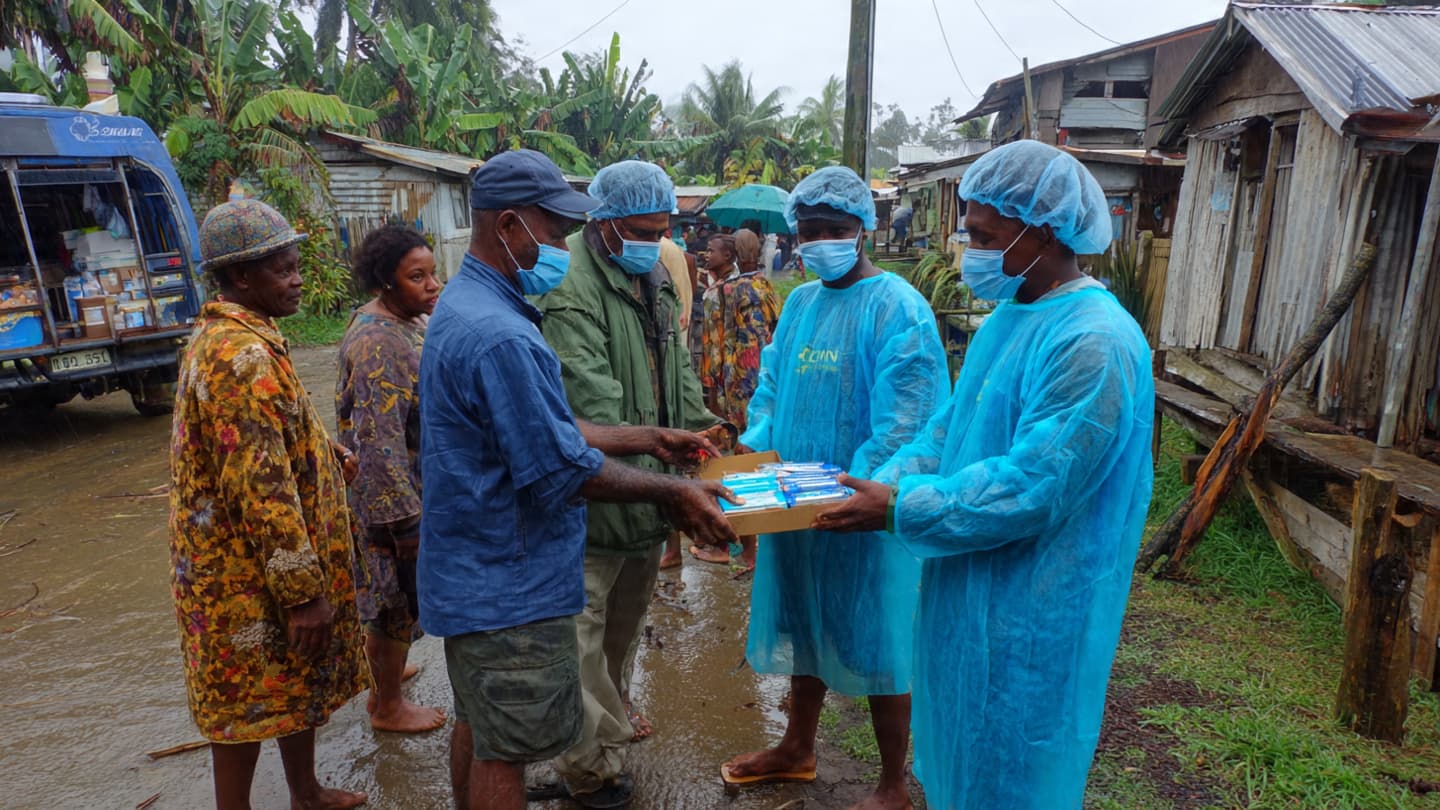
In response to the growing health threat, emergency workers have been actively distributing mosquito nets, repellents, and vital public health information in evacuation shelters and flood-affected villages. Volunteers are also mobilizing to clear blocked drains and remove debris where water has accumulated, further reducing mosquito breeding sites. These community-driven efforts are crucial as families work to restore their homes while remaining vigilant against the health risks posed by the lingering humidity.
Doctors have expressed particular concern for vulnerable populations, including children, the elderly, and displaced families living in crowded temporary shelters. They emphasize the importance of seeking medical attention at the first sign of symptoms such as fever, joint pain, or severe headaches. The health risks associated with dengue fever are compounded by the challenges of recovery, as communities navigate the aftermath of the floods.
Meteorologists predict that humid conditions and intermittent rainfall may persist throughout the week, complicating cleanup operations and hindering efforts to reduce mosquito breeding areas. Public health agencies are coordinating closely with disaster response teams to address these challenges, ensuring that communities can balance flood recovery with the urgent need to combat rising health concerns.
As families clean mud from their homes and cover water containers, they are also urged to remain vigilant. Health broadcasts on community radio stations serve as a reminder of the ongoing risks. Children are seen playing cautiously near puddles, while health workers visit shelters, carrying medical supplies through the humid afternoon air. The floods have already disrupted daily life across the affected islands, and the emergence of dengue fever adds another layer of uncertainty to the recovery process.
Authorities continue to monitor dengue risks and implement mosquito control measures in flood-affected areas. Residents are advised to follow public health guidance and eliminate standing water as recovery operations progress. The situation remains fluid, and health officials stress the importance of community cooperation in addressing this emerging health crisis.
Published by Banx Network. This article is part of the Banx decentralized media programme, powered by the BXE token on the XRP Ledger.



