

Key Highlights
- U.S. Vice President JD Vance has traveled to Pakistan for critical diplomatic talks.
- Israel's airstrikes in Lebanon target Hezbollah amid rising tensions.
- Regional reactions to Vance's visit are mixed, reflecting skepticism and hope.
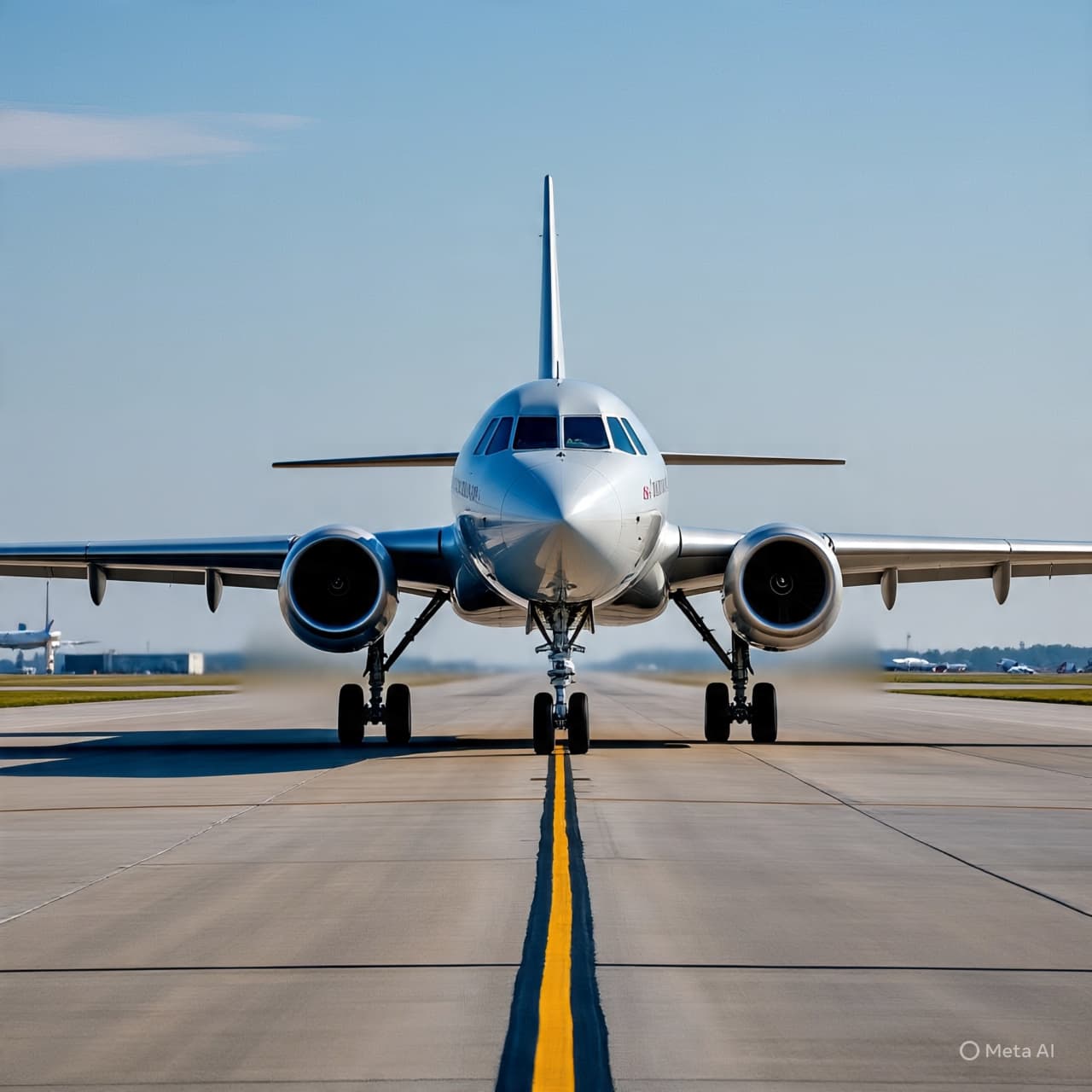
In times of conflict, movement often carries meaning beyond distance. As one plane lifts into the sky carrying a message of dialogue, another part of the region echoes with the sound of airstrikes. The contrast is stark yet familiar—a reminder that diplomacy and conflict often unfold side by side.
U.S. Vice President JD Vance has departed for Pakistan to participate in critical talks linked to ongoing tensions involving Iran. His visit signals Washington’s intent to engage diplomatically, even as instability continues to shape the broader Middle East landscape. This diplomatic mission comes at a time when military actions are also escalating, particularly with Israel's recent airstrikes in Lebanon targeting positions associated with Hezbollah. These strikes mark a continuation of cross-border hostilities that have intensified in recent weeks, raising concerns about a wider regional escalation.
Officials have framed Vance’s trip as part of a broader effort to stabilize the situation. Meetings in Pakistan are expected to involve key regional stakeholders, reflecting the interconnected nature of the current crisis. Pakistan’s role as a host underscores its strategic position within these discussions, as it navigates its relationships with both the U.S. and Iran.
The timing of these developments has drawn attention. While diplomatic channels open, military actions persist, creating a complex environment where progress in one area may be offset by tension in another. Analysts describe the situation as a delicate balancing act, where the potential for dialogue exists alongside the reality of ongoing conflict.
Lebanon’s government has expressed concern over the strikes, warning of the risks posed to civilian areas and infrastructure. International observers have also called for restraint, emphasizing the need to prevent further escalation. The humanitarian implications of military actions are significant, as civilian populations bear the brunt of such conflicts.
Meanwhile, the United States continues to navigate multiple priorities—supporting allies, engaging adversaries diplomatically, and managing broader regional stability. Vance’s presence in Pakistan is intended to reinforce dialogue, but expectations remain cautious. Regional reactions have been mixed; some leaders view the talks as a necessary step toward de-escalation, while others remain skeptical about their potential impact given ongoing military activity.
The unfolding events highlight a central tension: the coexistence of negotiation and conflict. Even as leaders seek common ground, the realities on the ground continue to shift, complicating efforts for peace. In this moment, the region stands at a crossroads shaped by both movement and impact—by the journeys taken in pursuit of peace and the actions that challenge it.
Published by Banx Network. This article is part of the Banx decentralized media programme, powered by the BXE token on the XRP Ledger.




