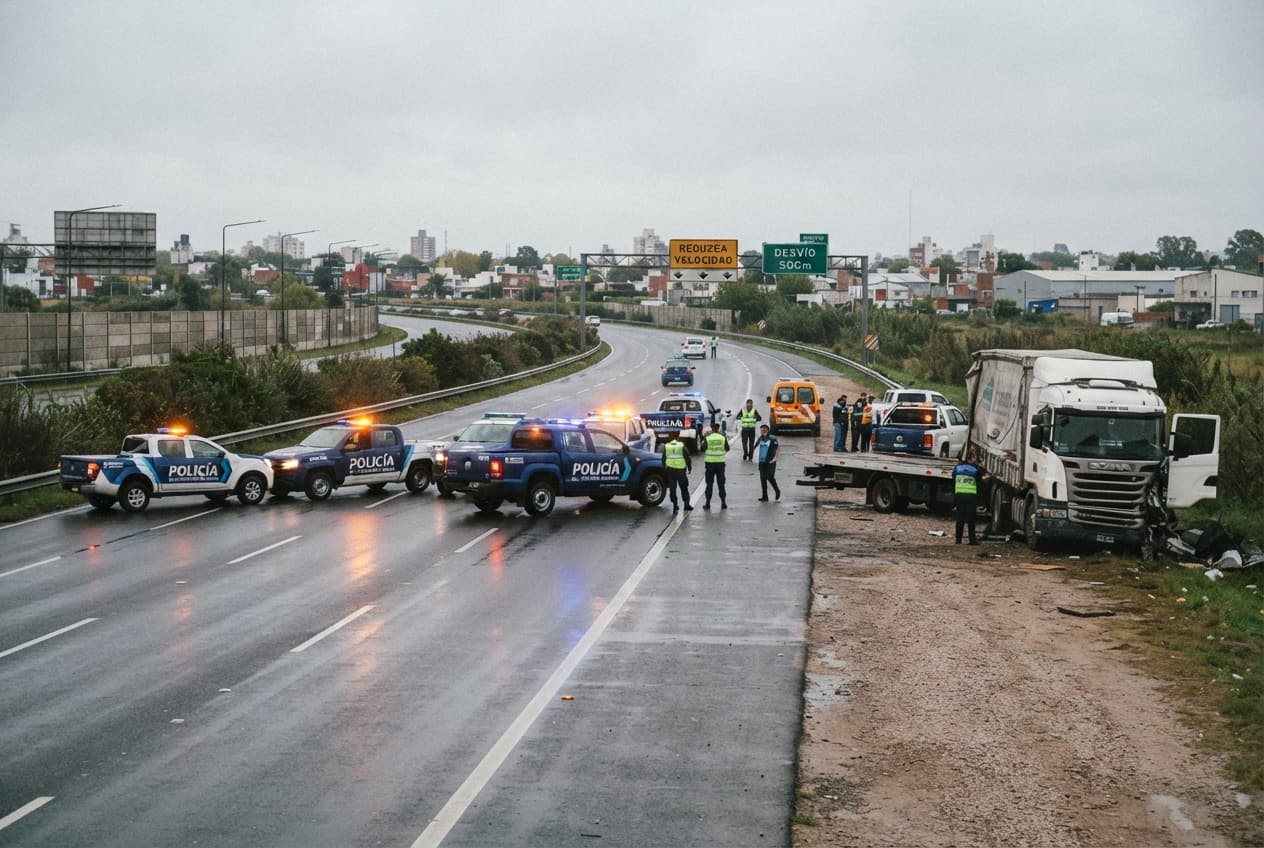
Morning often arrives softly over the city’s courts, as if careful not to disturb what lingers there from the day before. Corridors echo with measured footsteps, papers pass from hand to hand, and time moves in a deliberate, almost ceremonial rhythm. It is a place where the visible and the unseen meet—where what is carried openly is only part of the story.
On one such morning, the act of concealment became the quiet center of attention. A repeat offender, already moving within the familiar orbit of the justice system, arrived for a scheduled court mention carrying more than documents and expectation. Hidden within the body itself, in a place chosen perhaps for its perceived finality, were small parcels of drugs and other items—wrapped, secured, and kept out of sight.
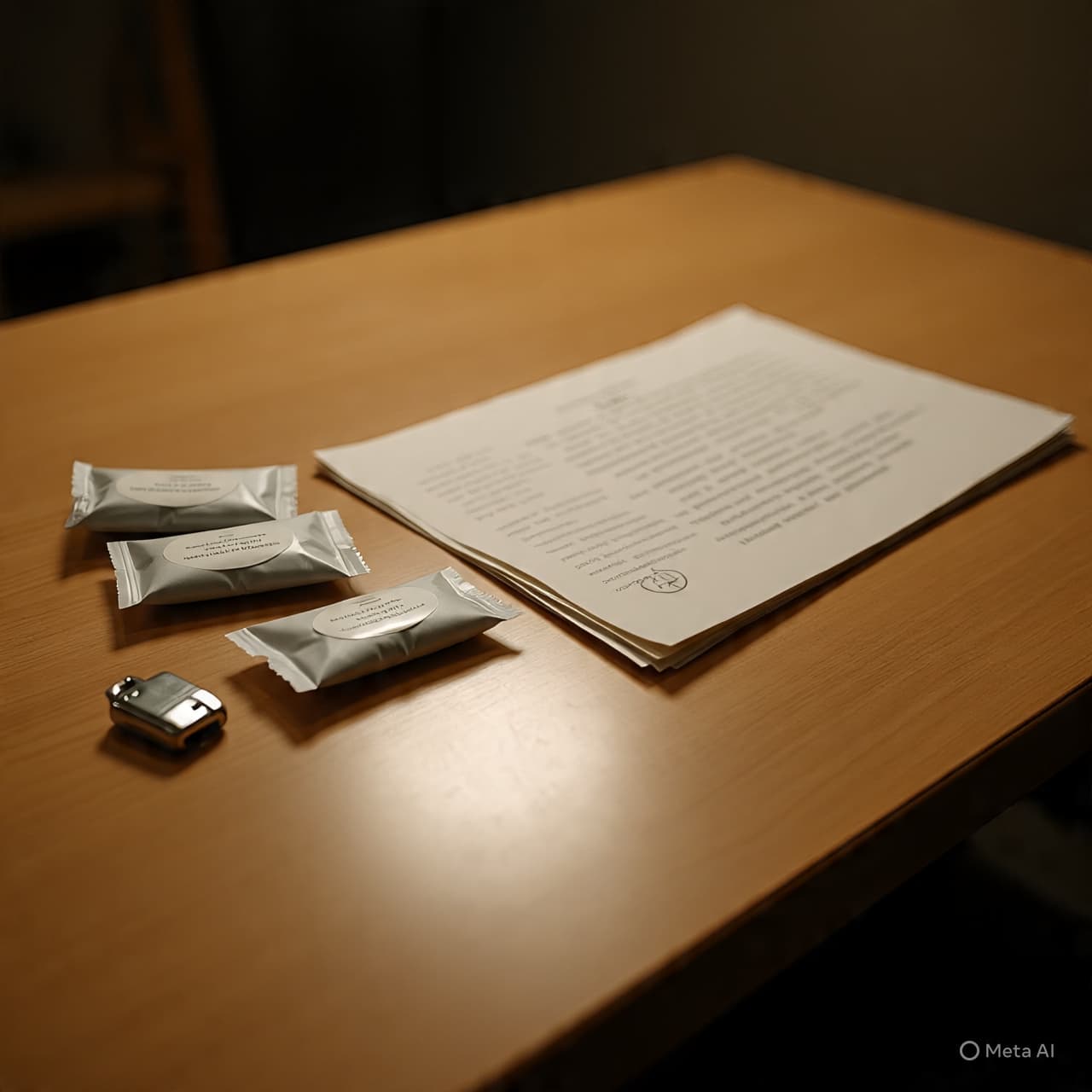
The effort, as later described in court proceedings, unfolded in the hours before the hearing. Realizing he still possessed controlled substances while preparing to enter a secured environment, the man concealed them internally, alongside everyday objects including a lighter and a court document. The body, in that moment, became both container and boundary, a last attempt to evade the mechanisms designed to detect.
Yet the stillness of systems is often more perceptive than it appears. Following the court mention, his bail was revoked and he was remanded. Within the routines that followed—medical checks, observation, the quiet vigilance of custodial spaces—suspicions emerged. An X-ray scan revealed irregularities, a faint outline of what should not have been there, turning concealment into discovery.
What had been hidden was eventually recovered, not in haste but through process. The items, including packets later confirmed to contain controlled substances such as methamphetamine and diamorphine, surfaced not as secrets but as evidence. The act of concealment, intended as a shield, became part of the narrative itself.
There is something almost paradoxical in the way the human body is drawn into such moments. It is both deeply personal and, in these instances, subject to scrutiny; both private and, when necessary, examined by systems that extend beyond it. Across regions and borders, similar methods have appeared in other cases—individuals attempting to move substances through increasingly concealed means, reflecting an ongoing tension between ingenuity and enforcement.
Still, within the quiet language of the courtroom, these actions are translated into charges, procedures, and outcomes. The narrative shifts from what was hidden to what can be proven, from the interior to the documented.
In this case, the man now faces charges related to drug possession. Court proceedings described how the items were concealed before the hearing and later discovered during his time in remand. The matter remains before the court.
AI Image Disclaimer
This article includes AI-generated illustrations intended for visual context and not as real-world photographs.
Sources
The Straits Times Channel NewsAsia The New Paper Reuters The Jakarta Post
Published by Banx Network. This article is part of the Banx decentralized media programme, powered by the BXE token on the XRP Ledger.